
Backstage, Onstage…with Preservation Hall Jazz Band
 CBS Sunday Morning, this morning, featured a piece on New Orleans’ venerable, famous Preservation Hall Jazz Band. This prompted memories of seeing and hearing the touring Preservation Hall group in 1967 while I was studying at Emporia State University (then Kansas State Teachers College). Before their fantastic performance, I chatted with two of its members, Billie and De De Pierce. They are long since dearly departed.
 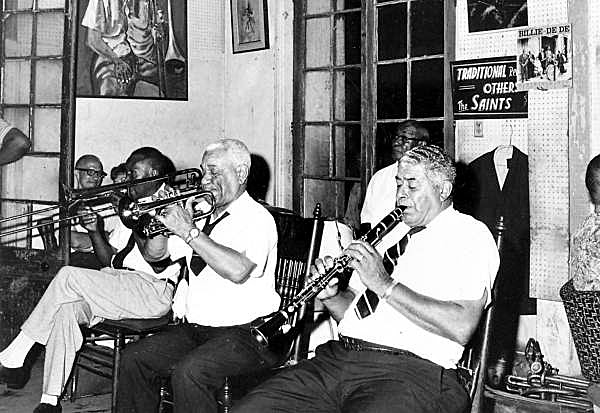 Even if one were to understate the Preservation Hall Jazz Band’s Oct. 4 performance, the review would have to include such superlatives as “tremendous,” “exciting,” and “unforgettable.”
 There have been many imitators of the Dixieland sound. The Preservation group is the real thing.
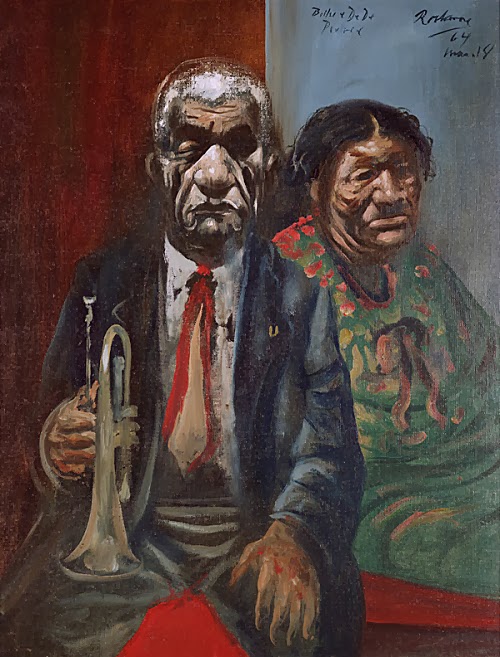 Fifteen minutes before their performance began, Billie and De De Pierce, the two featured performers, sat backstage. They were quiet. Perhaps they were thinking about the 14 week cross-country tour they are presently on. For a group whose average age is 70 years, an extended tour is a tiring experience.
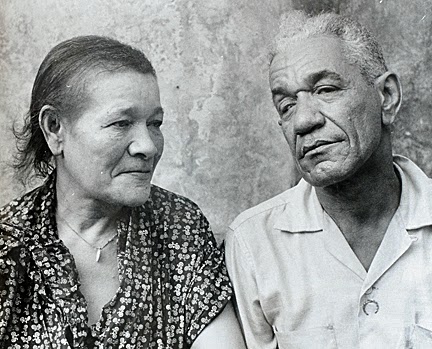 Soon it was time for the aged Dixieland musicians to perform. Billie led her almost blind husband out to his chair at stage center. He picked up his trumpet, and she sat down at the piano. The rest of the company soon came out: Jim Robinson, trombonist; William Humphrey Jr., clarinetist: and Josiah “Cie” Frazier, drummer.
 It is too bad there were not more college students there. They would have witnessed a vanishing era, and then walked away feeling good inside.
——————–
Enjoy this brief overview of Billie and De De Pierce in performance: https://www.youtube.com/watch?v=NiPDC_QTUts
Breathing celebrity air with…FORREST J. ACKERMAN
 By Steve Crum
I made Forry Ackerman laugh. Forrest J. Ackerman aka Forry aka The Ackermonster was a special guest at the fun Area 51 Festival held June 15-21, 2001 in Independence, Mo. He spoke on stage between screenings of classic science fiction movies The Day the Earth Stood Still and The Thing From Another World. Forry watched the films as an audience member too–films he had undoubtedly seen a hundred times since his 1916 birth.

Actors Billy Gray and Robert Cornthwaite were also there in person. As a child actor, Gray secured his place in movie history with 1951’s The Day the Earth Stood Still. Cornthwaite’s portrayal of the driven lead scientist in The Thing has immortalized him to sci-fi buffs.  Incidentally, it is Forry Ackerman who created the phrase “sci-fi,” repeatedly used in his classic, influential magazine, “Famous Monsters of Filmland.” Ackerman, who died on Dec. 4, 2008, was a major cultural influence by legitimizing horror and sci-fi movies to the masses. He shared his passion for being awed by fantasy and terror with the world, a love geeks like yours truly have maintained. In fact, we are no longer considered geeks.
That is, unless one dresses up like a superhero or creature outside of Halloween. That is pretty geeky.
During a lengthy break in the Area 51 festivities, Ackerman sat behind a table, signing photos of himself for fans. I stood in the long line to meet and greet the man, and get a signed pic. He had brought stacks of 8×10’s with him in various poses. There was one of him with Vincent Price, one with Boris Karloff, and one by himself. I chose the one with Price.  Before he signed, however, he asked for the $5 fee. I proceeded to pull a five inch wide $5 bill facsimile out of my wallet, adding, “I’m sorry, I just brought a little money with me.” It was a guaranteed groaner I have pulled on friends for years.
Forry Ackerman laughed. Big time. In fact, he guffawed.
This is the man known for writing excruciatingly bad (which means good) puns in his magazines for decades.
He checked over my fake bill as he kept laughing. Then I traded it for a real five spot. He signed the photo for me, and I thanked him. He was still laughing when the next in line approached.
——————–
Let’s take a personally guided tour of The Ackermansion with none other than Forrest J. Ackerman: https://www.youtube.com/watch?v=5WFRsm0-PTc
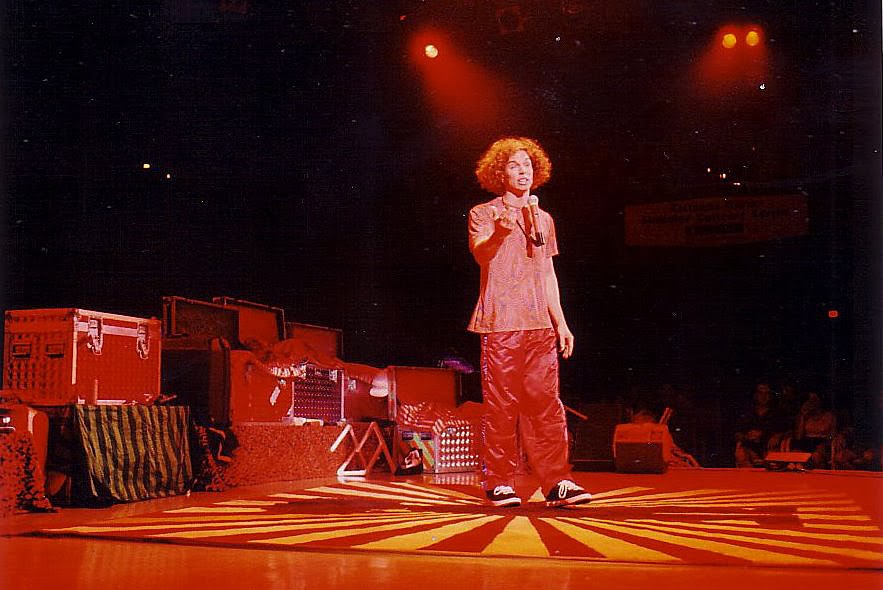
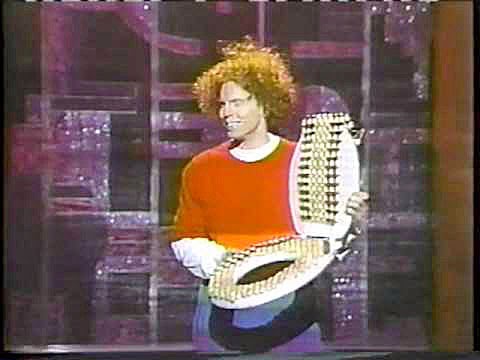
Carrot Top gives audience what they apparently want, sad to say
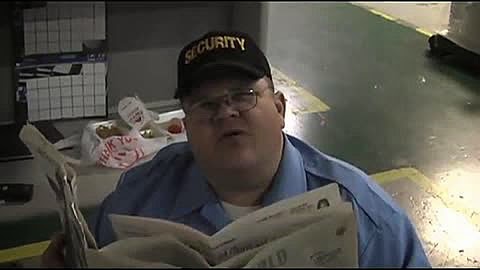 Just a quick thanks to Memorial Hall’s crack security team for their polite harassment of yours truly. Right after the warm-up comedian began (a funny 15-minute spin by Patrick Simpson), security interrupted me as I sat in the audience and asked for my ticket, signature, and address. Embarrassing enough. Minutes later the same guy appeared, and ordered me to accompany him out of the auditorium and to the security room. Behind a closed door, I shared my ticket and press pass with three security guys. After 10 minutes, a honcho said he thought he knew the problem, so I was told “sorry” and permitted to return to my seat. Never was I told what the problem was and my supposed part in it. Mistaken identity, evidently. But hey, being treated like a criminal is always a great way to make friends and influence critics.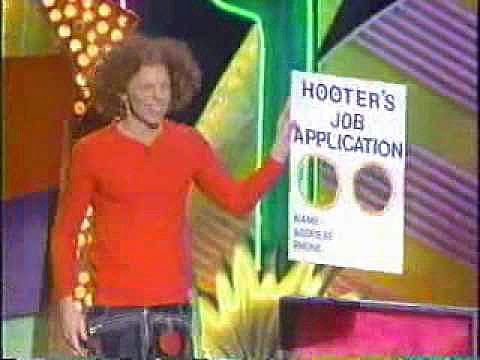
Carrot Top in action on The Arsenio Hall Show: https://www.youtube.com/watch?v=LjbuRySA2Hs
Romantic films worth seeking out for Valentine’s Day
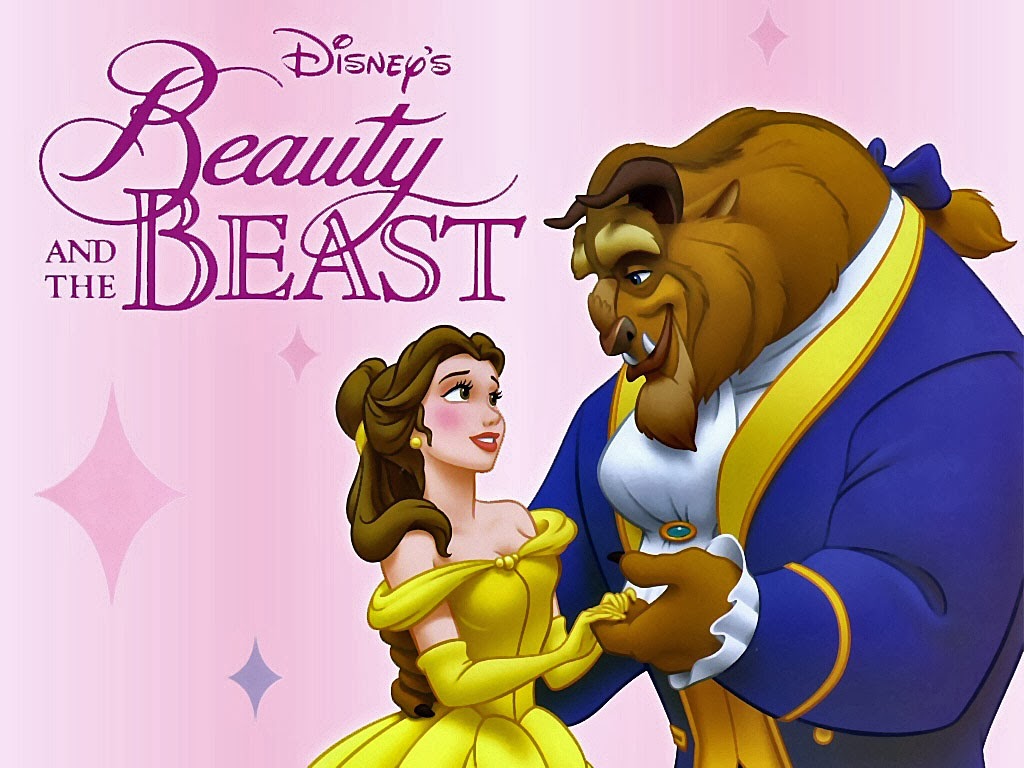 One of the great love stories, this animated musical version is also a Broadway hit. Check out the non-musical versions from ’46 and ’63. Also see the very stretched interpretations from 1933 and 1976: King Kong. (Don’t forget the former’s closing line: “Twas beauty that killed the beast.”)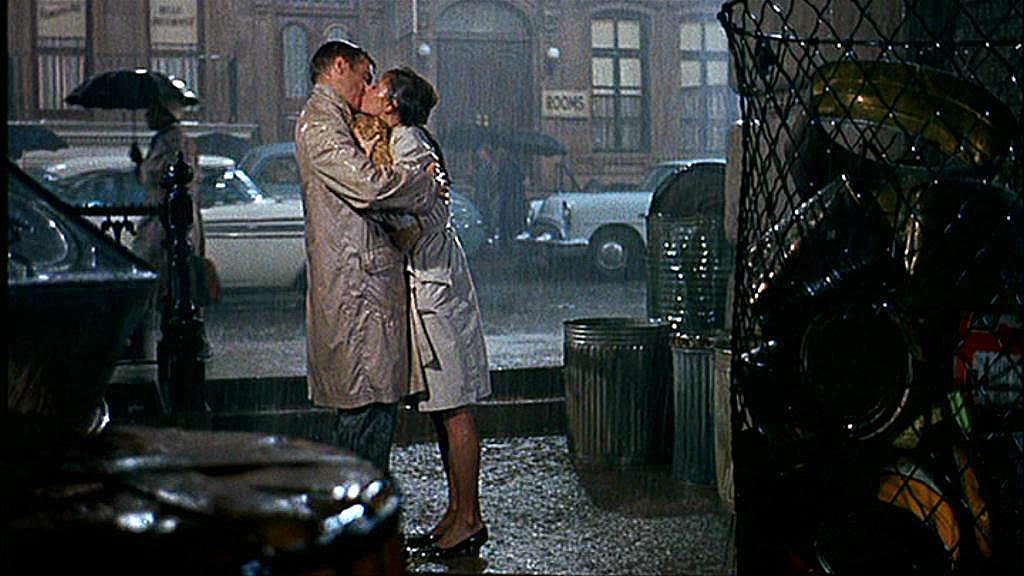
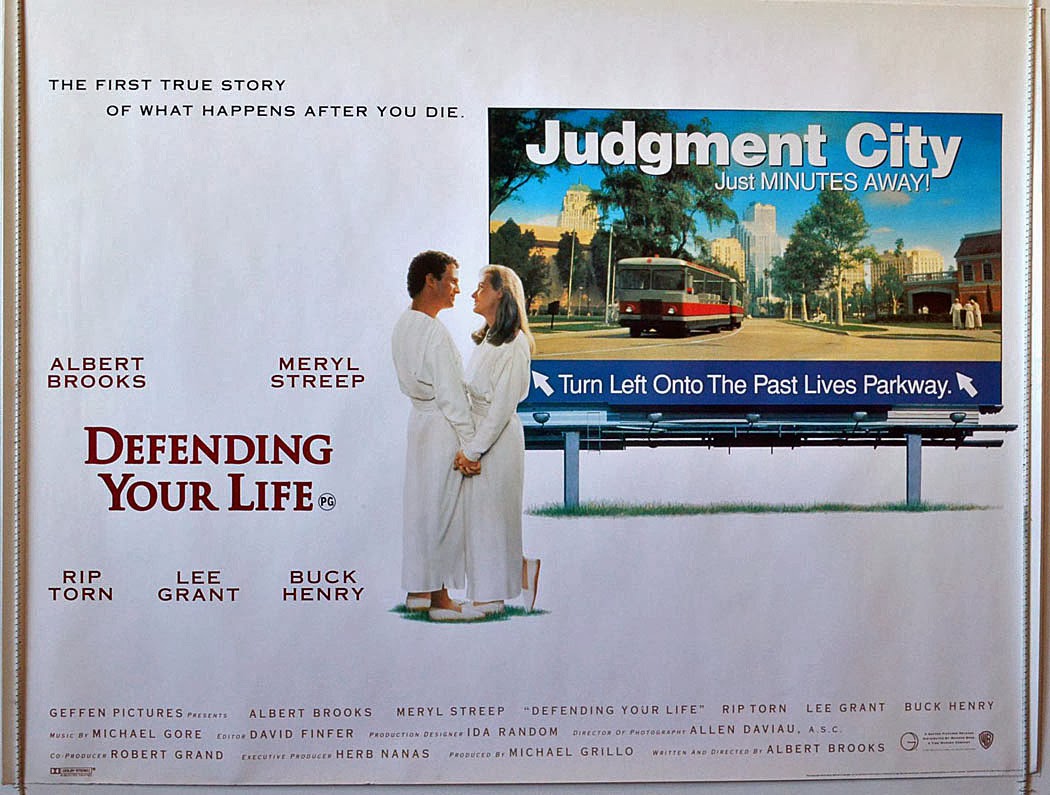__DefendingYourLife(1).jpg)
 LADYHAWKE (1985)
 ROMANTIC MUSICALS
 ROMEO AND JULIET (1936, ’66, ’68)
THE SHOP AROUND THE CORNER (1940)
Purely romantic vehicle of two who work in the same store, unknowingly writing pen-pal letters to each other. Remade as the musical In the Good Old Summertime with Judy Garland nine years later.
And remember that love means to kindly rewind. (This was my original videotape-referenced tag line.)
——————–
My favorite date flick, Camelot: https://www.youtube.com/watch?v=zezwYtRW6m4
Jerry Lewis’ genius continues in ‘Damn Yankees’
[Note: This review originally appeared in The Kansas City Kansan on Nov. 10, 1995. The KC performance was part of a world tour that began when the Broadway run ended.]
By Steve Crum
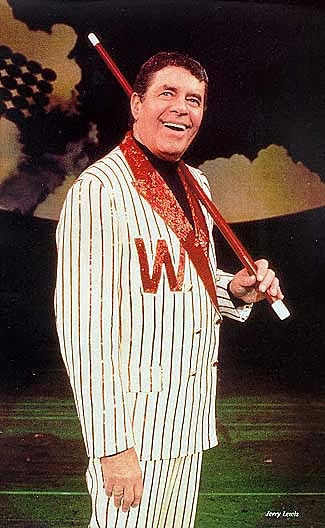
 From his puffed-smoke entrance 10 minutes into Act 1 (as Applegate, the devil) to the rousing curtain call finale, King Clown reigns. Even at 69. Even though there is at times just the suggestion of that wiry, frenetic Borscht Circuit comic kid. Even when he is not on stage. If only Charisma by Jerry Lewis could be bottled.
Lewis is complemented by a polished cast and company, helmed by director Jack O’Brien, many who were part of the original Broadway revival troupe. Together they musically tell the story of a middle-aged Joe Boyd (a solidly heartwarming turn by Dennis Kelly) who trades his soul to the devil in return for a chance to be a young baseball home runner with the Washington Senators. As young Joe, David Elder is exceptional, particularly in the “A Man Doesn’t Know” number.
Valerie Wright’s Lola, who is showcased in the originally Bob Fosse choreographed “Whatever Lola Wants” and the always fun to see “Who’s Got the Pain” number, is electric. Rob Marshall’s adapted choreography throughout, in fact, is clever and precise. Note the nifty “Blooper Ballet.”
 Susan Bigelow’s Meg (Joe’s loving, lonely wife) and Linda Gabler’s sports reporter, Gloria Thorpe, give energetic, fine work. The 1955 score by Richard Adler and Jerry Ross has never sounded fresher, even after repetitions of “Heart,” the play’s most enduring tune.
But it comes back to Lewis’ Applegate to clearly steal the show. It happens during an Act 2 point in the devil’s solo, “Those Were the Good Old Days,” when it becomes Lewis’ Lewis. That is when he interpolates the tried and true Jerry Lewis cane catching routine.
——————–
The story behind the feud between Jerry Lewis and Bing Crosby: https://www.youtube.com/watch?v=oc6V7fv8JuM