
Worth 1,000 Words: CLIFF ARQUETTE as CHARLEY WEAVER
By Steve Crum CLIFF ARQUETTE’S show business career was, by his choice, pretty much over by 1956. He chose to retire at that time after decades as an entertainer. In the beginning, he played piano in night clubs, and then in a dance orchestra. He worked in theatre and movies as a musician and comedian, sometimes dressing in funny costumes and makeup for effect. In radio, he was a literal one-man show. While making a living in radio in Chicago, he once did 13 live radio programs at different stations each and every day, shuttling from one studio across town to another.
 Charley Weaver was resurrected. Arquette rarely appeared except as Charley, including his guest stints on many TV shows, including The Tonight Show with Johnny Carson, The Steve Allen Show, and his popular work on The Hollywood Squares, in which he occupied the bottom left square. Arquette did appear in syrup commercials as Mrs. Butterworth, speaking in a falsetto voice, wearing a matronly dress, but still sporting his mustache.
  In the introduction to Charley Weaver’s Letters from Mama, Jack Paar discussed “the wild old man from Mt. Idy.” An excerpt: “Sometimes his jokes are old, and I live in the constant fear that the audience will beat him to the punch line, but they never have. And I suspect that if they ever do, he will rewrite the ending on the spot. I would not like to say that all his jokes are old, although some have been found to be carved in stone. What I want to say is that in a free-for-all ad lib session, Charley Weaver has and will beat the fastest gun alive. Charley Weaver has done more for the success of the ‘Tonight’ show than anyone who was ever on it. He is my ‘wild old man,’ and it’s understandable, when you realize that before every show he rinses his jockey shorts in turpentine. Nobody will ever catch him.”
The rather hairless looking 1947 ABC-Radio publicity portrait of CLIFF ARQUETTE (shown right), sans Charley Weaver, describes Arquette as “…The comedian known for his characterizations of elderly men and women, is starred in a new ABC comedy series, Point Sublime, based on the adventures of general store keeper Arquette in Point Sublime, California. Arquette is helped into and out of his predicaments by his side kick, Mel Blanc. Mondays, 8 p.m., EST.” Arquette was a fixture on the radio series from its 1940 beginning on NBC. After it trasnferred to the Mutual Network in 1944, ABC picked it up on Oct. 6, 1947. It then left the air after its first season. [from Steve Crum’s show biz memorabilia collection]
Mediocre ‘Other Guys’ features Ferrell in cop parody
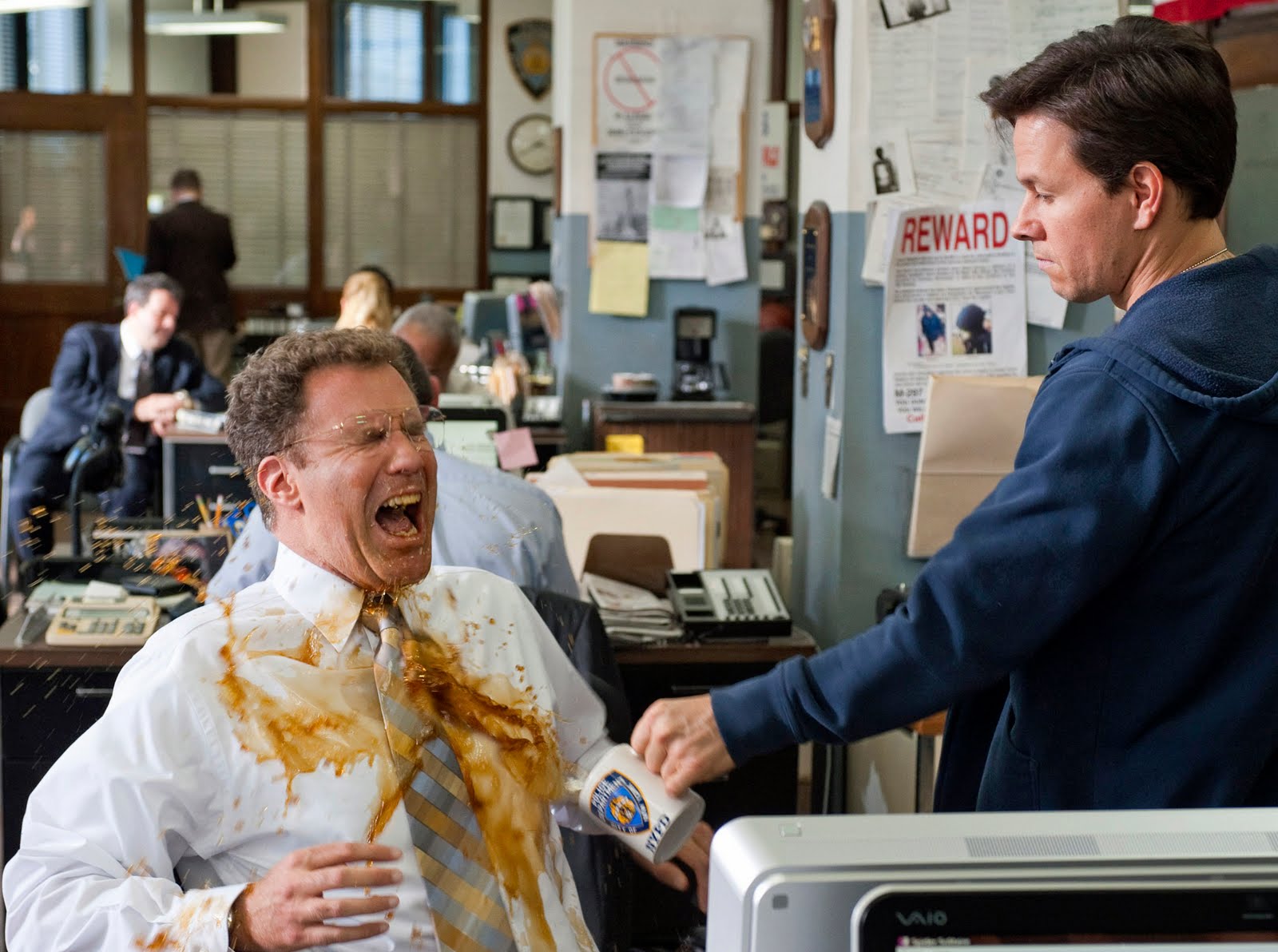

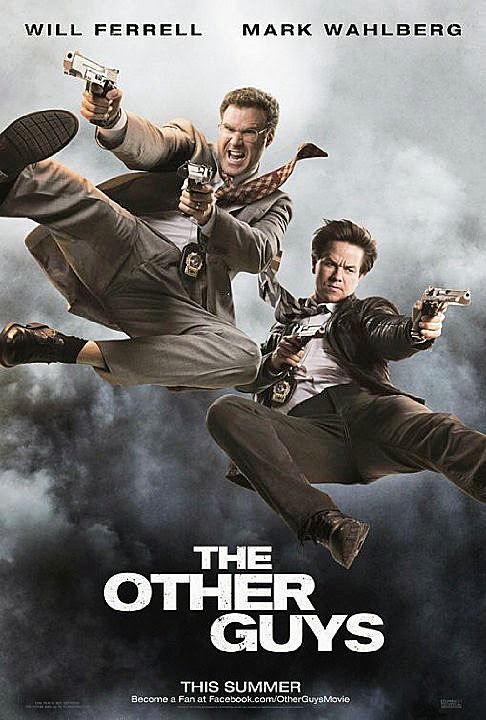 Ferrell’s forte, in fact, is the overextended joke or shtick. Do the gag, lace it with outrageousness (like pulling down or off your pants), get the shock value laugh, and…keep on with it, wringing the laugh empty. His humor is of the adult child, often given to the “I hit you last” or “I know you are, but what am I” variety, as in Step Brothers.
 Worth 1,000 Words: SID CAESAR & IMOGENE COCA
By Steve Crum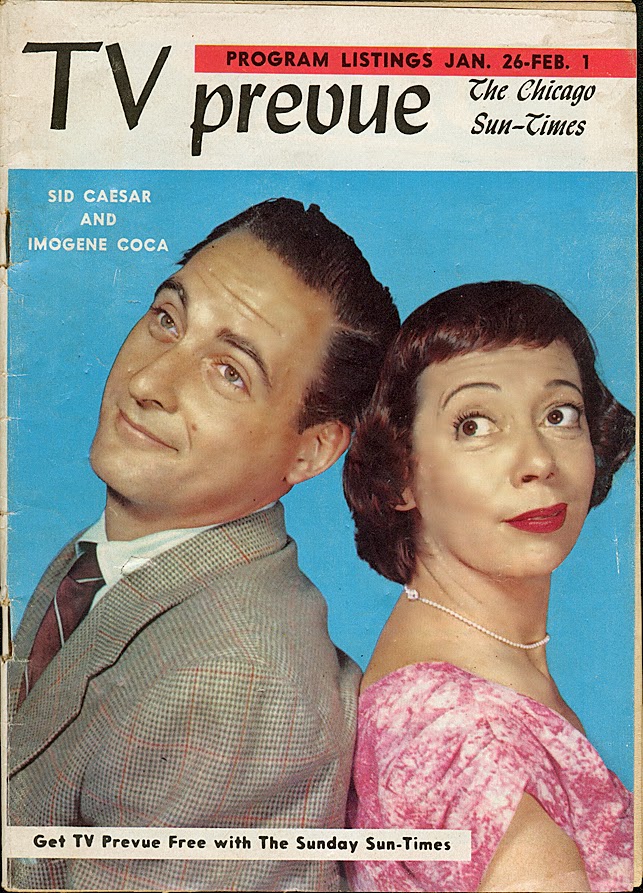 Sixty years ago, NBC-TV could have opened each program with “Live, from New York, it’s…!” Except this was two and a half decades before Saturday Night Live. The referenced program is Your Show of Shows, which ran 160 hilarious, innovative, and ground-breaking episodes for 90 minutes each Saturday night, Feb. 25, 1950-June 5, 1954. Created by Sigourney Weaver’s dad, Sylvester “Pat” Weaver, Your Show of Shows starred Sid Caesar and Imogene Coca. Although called a variety show, it is now considered the ultimate sketch comedy, TV showcase, truly the first of its kind. (Note: Caesar and Coca first teamed on TV’s Admiral Broadway Review, Jan.-June, 1949.)
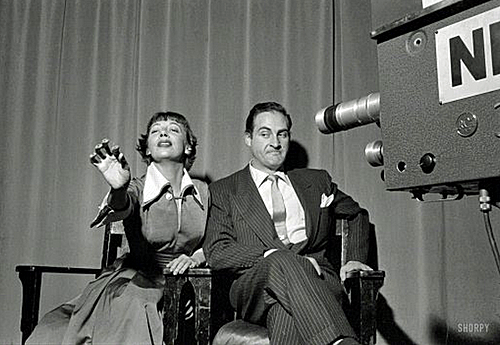
Your Show of Shows was live, directed by both Max Liebman and Nat Hiken at various times. Its writers included Mel Brooks, Carl Reiner (who also acted in the sketches), Neil Simon, Danny Simon, and Mel Tolkin. (Larry Gelbart did not write for YSOS, but did write for Caesar’s Hour, 1954-57. Woody Allen only wrote for Caesar in later TV specials.)
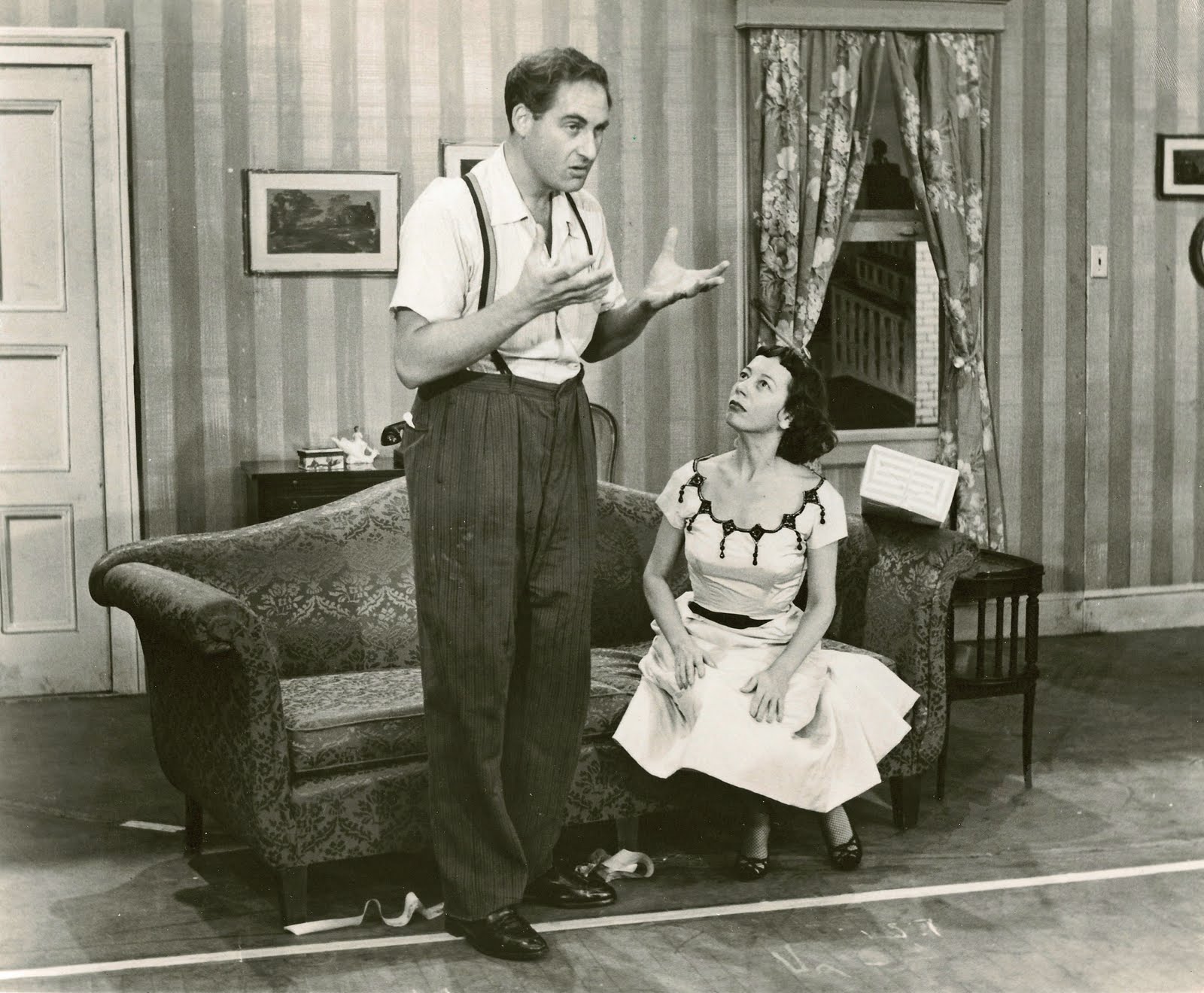 ——————–
Worth 1,000 Words: SCOTTY BECKETT as JOLSON, the boy

SCOTTY BECKETT, portraying the young AL JOLSON in THE JOLSON STORY [1946], whistles from his bedroom window to his neighbor. Soon a ladder will afford escape to run away from home and start his show business career.
Worth 1,000 Words: JIMMY DURANTE & GENE AUTRY on the set

By Steve Crum
Republic Pictures chose to increase the budget on one of its GENE AUTRY movies, and hired a pretty bizarre cast for any western, JIMMY DURANTE and ANN MILLER among them. Released in 1940, MELODY RANCH became one of Gene’s biggest box office successes. It was later considered culturally significant by the Library of Congress, and is now preserved in the United States Film Registry.
 The plot has Gene Autry, portraying radio and movie cowboy star Gene Autry (a stretch), returning to his Arizona hometown (Gene was actually raised in Oklahoma, so this is a stretch) where he restores law and order while starring in his own radio show. Others in the cast include Barton MacLane, Barbara Jo Allen (better known as Vera Vague on the Bob Hope radio show), and Gabby Hayes, venerable sidekick to Roy Rogers as well as Gene. Durante’s character is Cornelius J. Courtney. Inka Dinka Do.
  The rare Republic publicity still (top) is unique in several ways. When in the history of Durante did you ever see him on horseback and sporting cowboy boots? (His horse doesn’t look any too happy with him yelling and waving his hat. Notice the steed’s ears are pointed back.) That is Gene Autry himself–at least his back–headin’ toward his trailer on Champion, World’s Wonder Horse. The caption pasted on the photo’s backside explains: “At last, here I am at the peak of me power, ha-cha-cha!!” Jimmy “Schnozzle” Durante cheers as he successfully reaches the deck of the tamest horse in the Gene Autry stable. “What a man! What a cowboy! Where’s me rope and gun!” Durante clanked a mean spur with Autry and Ann Miller in “MELODY RANCH” at Republic Pictures. In the background here is Autry heading into his stable trailer. [from Steve Crum’s showbiz memorabilia collection]