
In Honor of VETERANS DAY 2009…

PLEASE LET WWII & KOREAN WAR VETERANS KNOW ABOUT THIS WORTHY PROJECT.
STARSTRUCK/Duke Ellington plays Ft. Polk
 On October 20 of 1970, my decision was immediate. No deciding, really, it was a given. Duke Ellington and his orchestra were presenting a free concert at our Fort Polk (as in Louisiana) post theater, and I was going. No way would I miss this opportunity to see a music legend. At that point in my two-year military stint, I was by then Specialist 4th Class Crum, having been drafted into the U.S. Army in January.
  There were his solid hits Take the “A” Train, Mood Indigo, Sophisticated Lady, Caravan, and It Don’t Mean a Thing (If It Ain’t Got the Swing). His recently published New Orleans Suite was included. Maybe he considered this Ft. Polk gig a rehearsal or warm-up to his European tour, which would begin a couple of weeks later. No doubt The Duke felt a patriotic affinity to entertain us troops, many of whom had returned from or were heading out to Vietnam. The year before, in 1969, he had received The Presidential Medal of Freedom from President Nixon.
Duke performed in every medium of his day, including radio, records, TV, stage and motion pictures, sometimes solo at the piano, but usually with his orchestra. He composed two great film scores, Anatomy of a Murder (1959) and Paris Blues (1961). Toward the end of his life, he wrote and conducted his somewhat controversial Sacred Concerts. As the title implies, they were religiously themed, and not widely heard–even to this day.
No humbug about it, ‘Disney’s A Christmas Carol’ is fun Carrey-fest

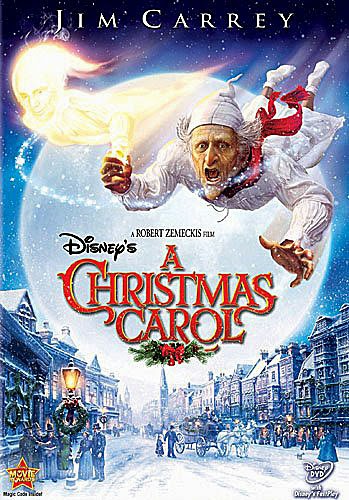
Soon we are introduced to the story’s central character, Ebeneezer Scrooge, perfectly realized by Jim Carrey. Director-Writer Robert Zemeckis again morphs his actors via “motion capture,” a process he successfully used in The Polar Express (2004). Actors are first filmed performing their lines, and then “skinned” as their bodies are digitally transformed into cartoon-like visuals. Skeptics of The Polar Express criticized its characters’ lifeless eyes; they appear more lifelike in A Christmas Carol.
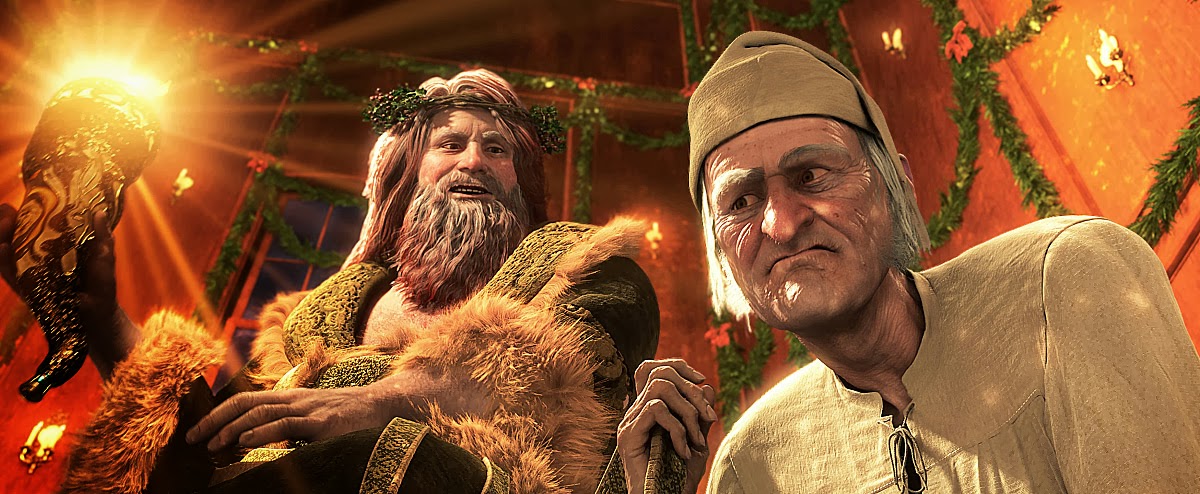
Before this review is whisked away by the movie history ghost, here is the plot synopsis for the three out of 50 million who have neither seen any stage, TV or film version nor read Dickens’ story: In 19th Century London, old Ebeneezer Scrooge is visited by the specter of his late partner, Jacob Marley (Gary Oldman), who warns Scrooge that due to his miserly ways and bad temperament, he will be visited by three ghosts on Christmas Eve. Earlier that day, Scrooge had again shown his hateful attitude toward his employee, Bob Cratchit (Oldman, in another role), his nephew Fred (Colin Firth), and two charity collectors. As Scrooge is physically taken to his past, present and dim future by each spirit, he secretly observes the Cratchit Family’s poverty along with the extreme needs of the young, crippled Tiny Tim (Oldman, voicing even again), and the disdain others have for him due to his heartlessness. This includes his one love, Belle (Robin Wright Penn). In the end, Scrooge is transformed, and at last shows–and feels–good tidings for his fellow man.
Sharing my project…MARGARET WHITING

A COUPLE OF YEARS BACK, I designed and wrote the cover and liner notes for a very special CD produced for The International Al Jolson Society, and presented to legendary pop diva MARGARET WHITING. She is best known for her mega selling Moonlight in Vermont, among dozens more hits. Whiting did not have a copy of this hour long, Lux Radio Theatre program, even though it featured her along with Al Jolson, Tyrone Power, Dick Haymes, and Dinah Shore. Broadcast April 7, 1947, ALEXANDER’S RAGTIME BAND was, like all Lux Radio shows, an adaptation of a popular motion picture of the time. Margaret Whiting played the role given Ethel Merman in the 1938 hit musical. Incidentally, Dinah Shore replaced Alice Faye, and Dick Haymes did likewise for Don Ameche. Whiting graciously accepted the CD when honored at a special ceremony by the Jolson Society. I was honored to create the cover and liner notes for her.
Worth 1,000 Words: LEO CARRILLO Rides Again!

HEY, CISCO…HEY, PANCHO! LEO CARRILLO, the late and great veteran actor best known as Pancho, The Cisco Kid’s sidekick in numerous TV episodes, is decked out in western splendor during a personal appearance 52 years ago. This press photo ran in The Chicago American on Dec. 5, 1957. The caption: “Never had it so good,” whinnied Conquistador as he bore his master Leo ‘Pancho’ Carrillo, of film fame, into the Hotel Sherman. They were greeted by Sherman-Ambassador Hotels Board Chairman Frank W. Bering. He is a lifelong friend of Carrillo. Horse and rider are in Chicago for the 45th Annual Convention of the Showmen’s League of America. Always together on the silver screen, Pancho and Conquistador will be parted by many floors in the hotel. After registering, Carrillo was ushered to a suite high in the hostelry, while the horse has a stable in the garage. [from Steve Crum’s showbiz memorabilia collection]