
PART I: The Sequel, Prequel, Remake, Superhero Summer of 2011


By Steve Crum
What can be said about summer movies? Summer good, summer not so. By September, we’ll know the successes and failures, but from an April, 2011 perspective, making predictions about the May-August movies is game-on. And what is gamier than an upcoming movie named Hobo with a Shotgun?
Of the 100+ movie openings beginning May 1, I have perused studio hype, production overviews, photos, interviews, and cast lists to help shape at least a semblance of credibility. The bottom line, however, is that it all whittles down to my own intestinal intuition (critic-speak for “gut feeling”). Factor in 60 years of viewing motion pictures, with a latter 35 years of critical scrutiny via review writing.
Superheroes have been scarce over the past couple of summers, but villains beware. This summer the DC and Marvel guys report for active duty in the guises of Thor, Captain America, Green Lantern, and X-Men. Even that sword wielding muscle guy, Conan the Barbarian, returns –minus Arnold Schwarzenegger.
Realize that producing a sequel or remake of a popular movie nearly always translates to box office bucks, and you will understand why studios seem to be out of original movie ideas.
 Why risk it? That is why the likes of Harry Potter, Transformers, Spy Kids, Cars, Kung Fu Panda, and even Winnie the Pooh will undoubtedly fill theaters this summer. Popular actors and directors are linked to a variety of titles over the next four months. Tom Hanks and Julia Roberts team in Larry Crowne; Woody Allen’s 42nd movie, Midnight in Paris, opens; Jim Carrey is surrounded in Mr. Popper’s Penguins; Jodie Foster directs Mel Gibson in The Beaver; and Harrison Ford straps on a holster to outshoot nasty ET’s in Cowboys & Aliens.
Filmgoers whose credo is to go the movies for pure escape, forgetting the cares and stresses of daily life, should love this summer. The aliens, talking cars, and giant hammer wielders are coming.
SEQUELS/PREQUELS, REMAKES/REBOOTS aka BOX OFFICE GOLD
•Pirates of the Caribbean: On Stranger Tides (May 20)—Johnny Depp’s Captain Jack returns to keep the franchise afloat.
•The Hangover Part II (May 26)—It’s not my cup of booze to laugh at guy friends getting drunk and behaving like jackasses, but apparently the movie going mass loves it. A second round, barkeep.
•Kung Fu Panda 2 (May 26)—Has it been three years since Jack Black voiced the Po bear? The Dragon Warrior returns.
•X-Men: First Class (June 3)—Dr. Xavier’s back story of his pre-wheelchair, pre-skinhead days is told. James McAvoy takes over Patrick Stewart’s persona.
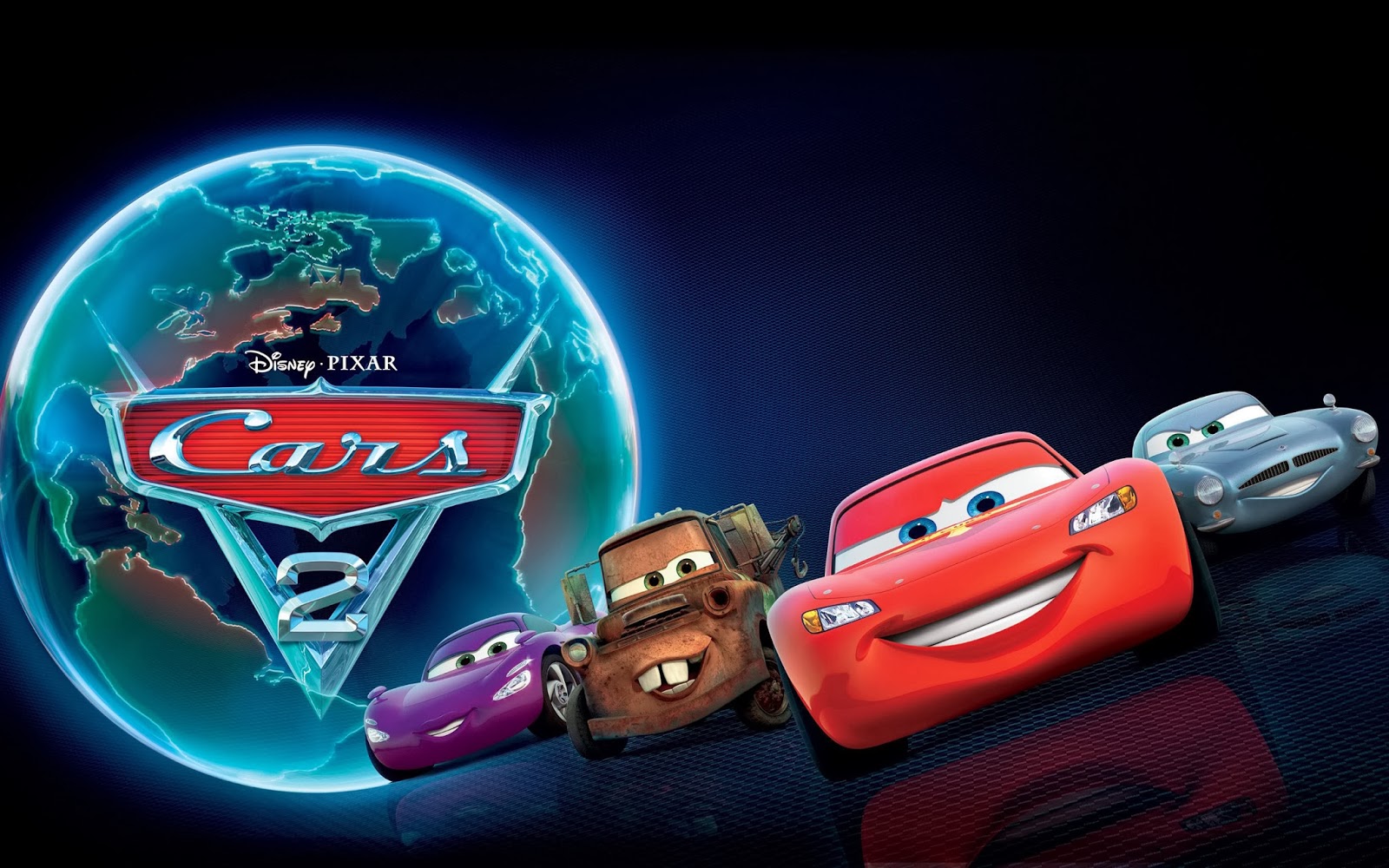 •Cars 2 (June 24)—Disney/Pixar has added more colorful, talking cars five years after the original family hit.
•Transformers: Dark of the Moon (July 1)—Producers of this third take promise a better story than the last, the second, movie. Then again, the second movie made more than the first, so who’s counting quality?
•Harry Potter and the Deathly Hallows—Part 2 (July 15)—Finally? Finally! Fans are promised non-stop action and a figuratively emotional broomstick ride. THE event of summer’s flicks.
•Winnie the Pooh (July 15)—Was it necessary for Disney to remake its own classic? Does computerizing it make it any better?
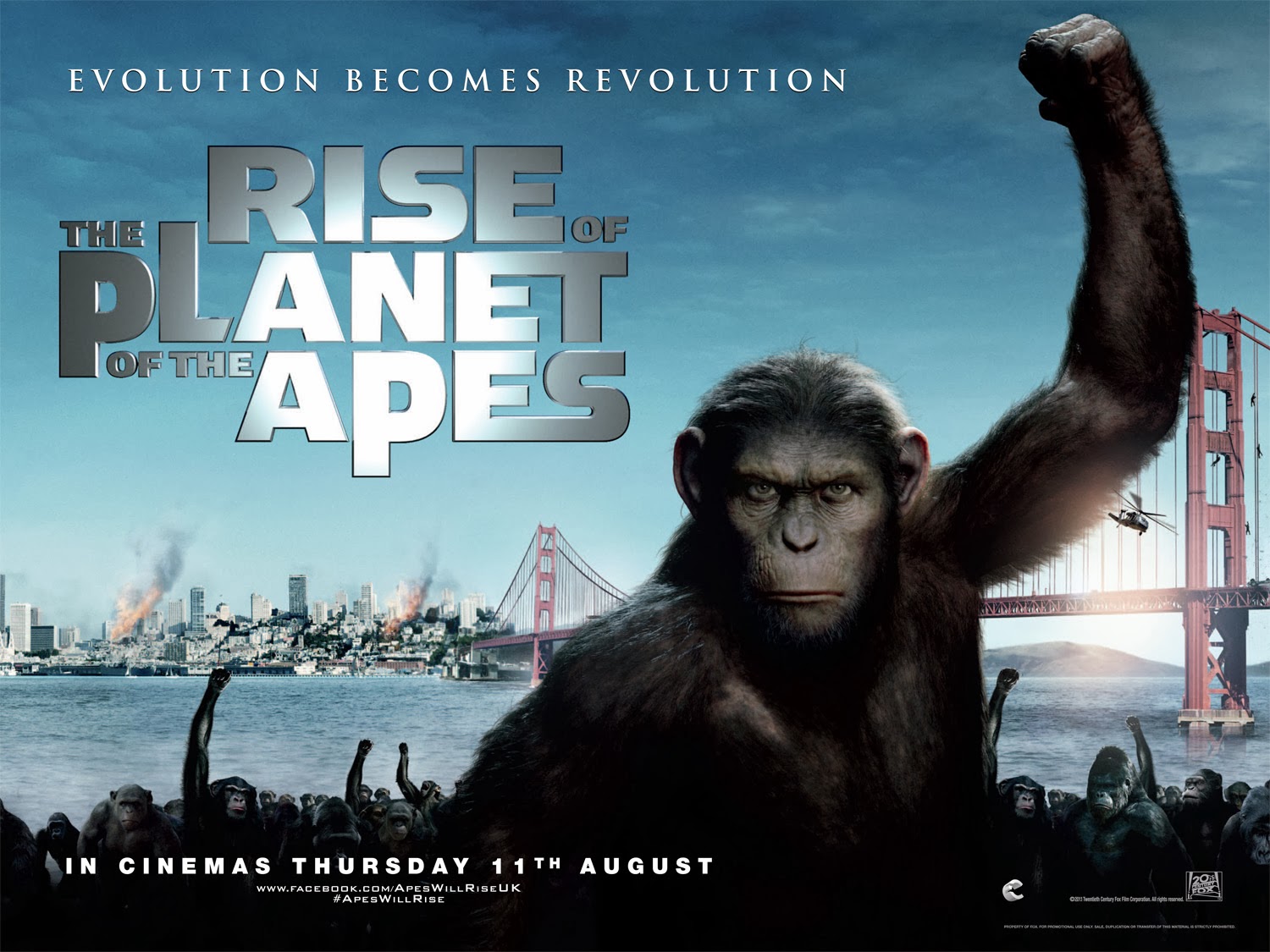
•Rise of the Planet of the Apes (Aug. 5)—Finally, after a bunch of sequels, a prequel. James Franco stars in the story of how a chimp first went ape over the gorilla his dreams. OK, went bananas. But seriously, this one sounds interesting since it follows the rise of simian dominance over humans. No Heston, but maybe a Statue of Liberty.
•Don’t Be Afraid of the Dark (Aug. 12)—ANY film by director Guillermo del Toro, even a redo like this one, is worthy of note.
•Conan the Barbarian (Aug. 19)—If this gives new star Jason Momoa the same career leverage it did Arnold, it could be Gov. Momoa down the line.
•Fright Night (Aug. 19)—Roddy McDowall is gone, but Colin Ferrell could carry this 3-D take on the original’s creepy vampire tale.
•Spy Kids 4: All the Time in the World (Aug. 19)—Is it worth dragging grade schoolers to see this installment?
•Final Destination 5 (Aug. 26)—What a misnomer title, unless this is truly the finality. Let it be.
[Continued in Part II…]
——————–
Here’s the new, but improved (?) Conan the Barbarian: https://www.youtube.com/watch?v=o1iJZIMddpM
——————–
Here’s the new, but improved (?) Conan the Barbarian: https://www.youtube.com/watch?v=o1iJZIMddpM
Think piece ‘Source Code’ is terrifically paced, sci-fi thriller
By Steve Crum
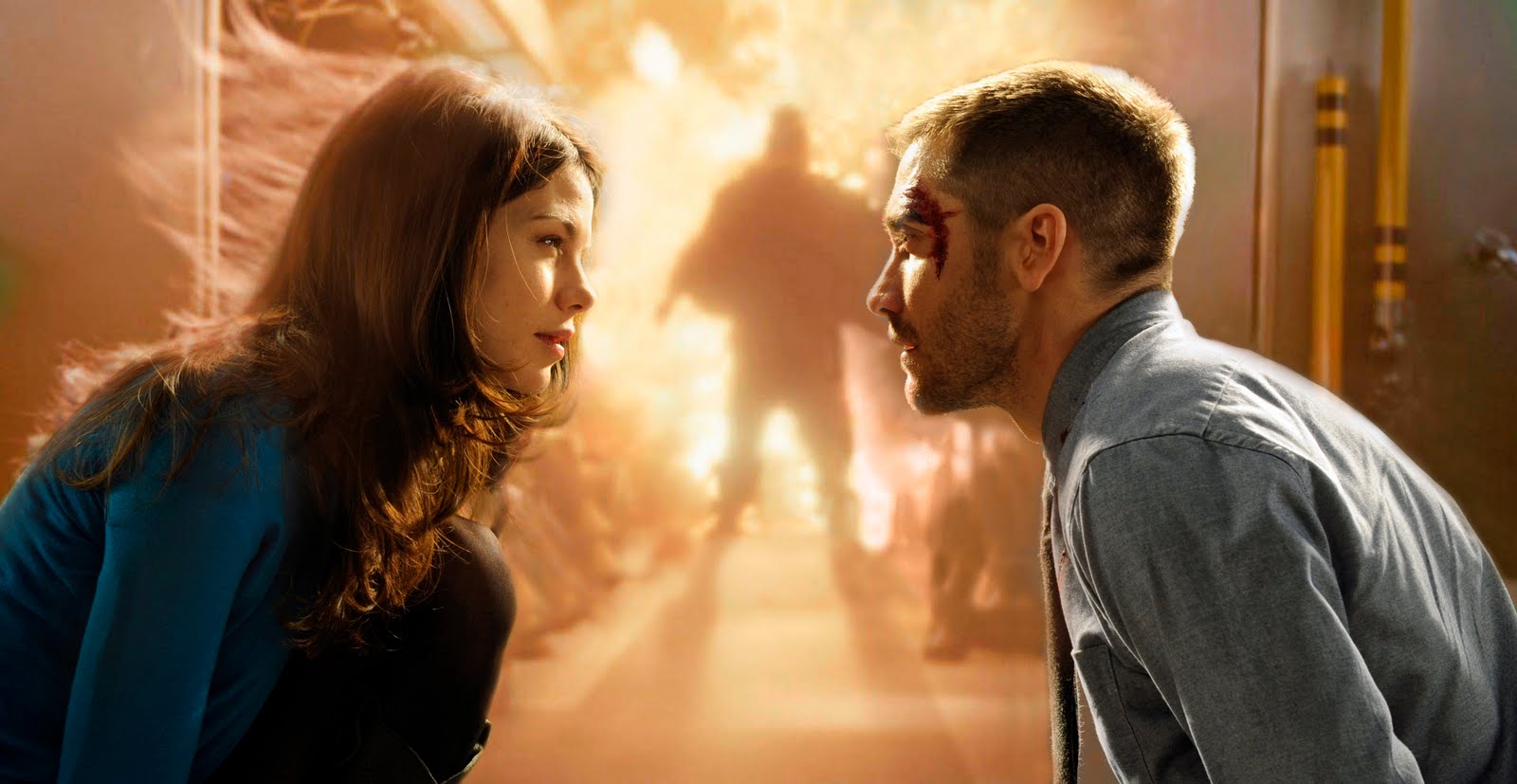
Source Code is best described as a terroristic Groundhog Day, a reference to Harold Ramis’ already classic 1993 comedy-fantasy of a man (Bill Murray) repeatedly reliving the same day. While Source Code is anything but funny, it does involve a guy reliving a seven minute span, again, again, and again. Each time, he hones in closer on a mad bomber, with the goal of preventing detonation.
This is an unconventional think piece, impressively helmed by Duncan Jones, and penned by Ben Ripley (Species III). Reminiscent of Steven Spielberg’s Minority Report and Dalton Trumbo’s Johnny Got His Gun, Source Code is pretty much an original, self-described in ads as a “techno-thriller/action” picture. It is one of those movies that might require a second viewing to pick up missed nuances, due to plotting and characterizations.
Intellectual sci-fi fans will love it. The Transformers and Battle: Los Angeles visualists will get headaches from thinking too much.
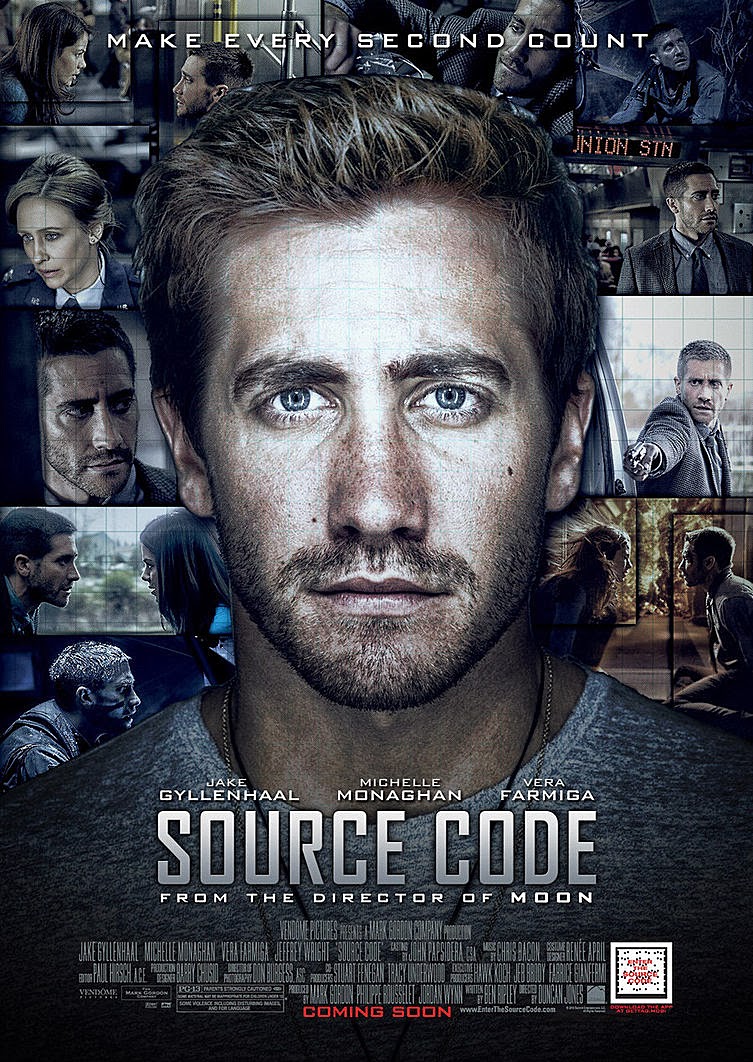 A dictionary explanation of the term, “source code,” means text written in computer programming language, “specifying actions to be performed by a computer that will be directly read and executed.” Jake Gyllenhaal sensitively portrays Army Captain Colter Stevens. It is he who performs as the “source code,” having to carry out actions ordered by a seemingly nefarious government project, headed by the scientist Dr. Rutledge (Jeffrey Wright), and assisted by Captain Carol Goodwin (Vera Farmiga). Goodwin is the one with whom Stevens communicates most often, remotely, via microphone and computer. In fact, Stevens is entirely by himself in some capsule-like trappings, in uniform, and unable to free himself. From the beginning, it appears he is being experimented upon, and thus confined. His only link is with Goodwin and Rutledge at headquarters.
 Of course, that does not count Stevens’ repetitious leaps, much like TV’s Quantum Leap, into a stranger’s (named Shawn) body. Slowly, Stevens discovers the reasons why he is being transported. Looking into a mirror on the train early on, he sees what others see: Shawn’s face. Yet we see Stevens’/Gyllenhaal’s mug. Clever device, this, again lifted from QL. On each return visit to the commuter train, Stevens becomes more familiar with his car’s inhabitants, particularly Christina (Michelle Monahan), the babe who is always sitting across from him. As clues lead Stevens to his objective, Christina becomes, more and more, a vital part of the mission.
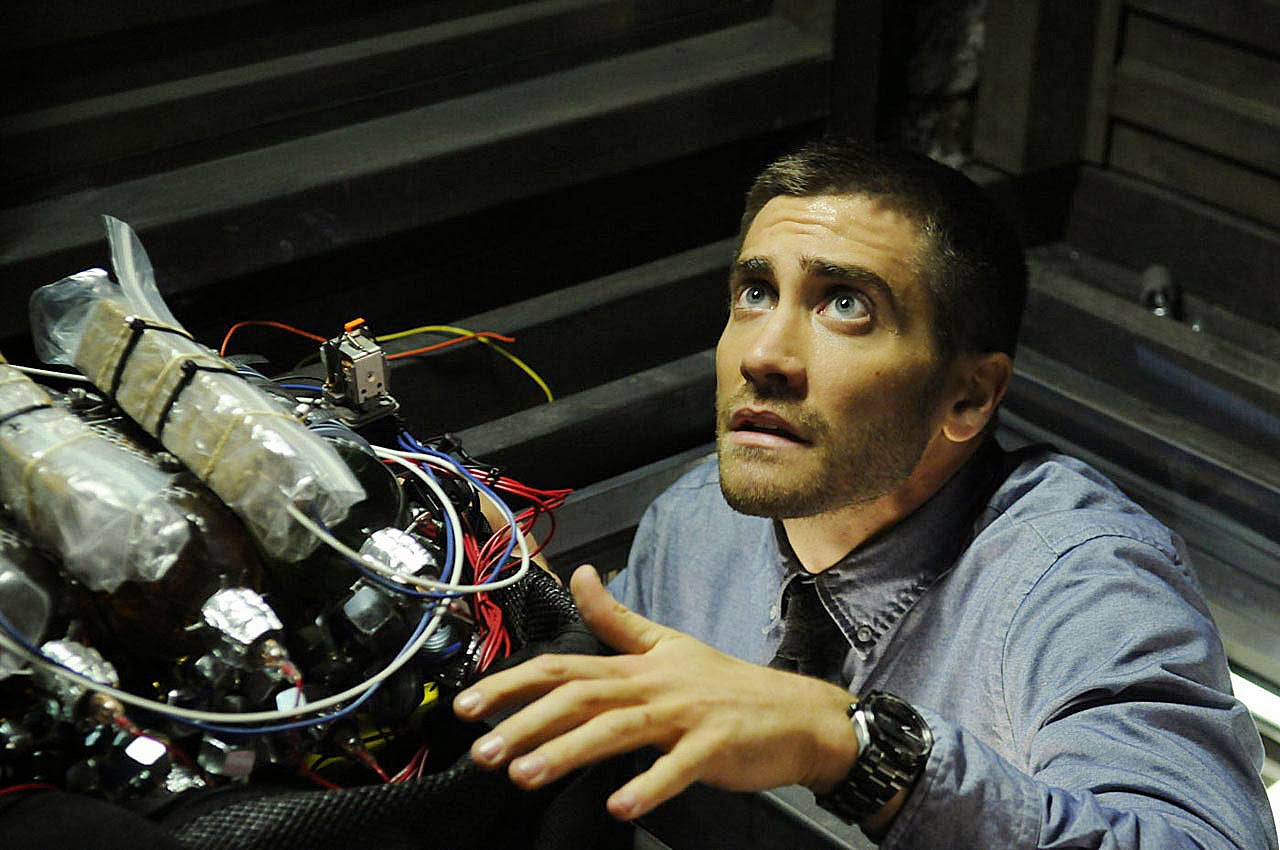 Duncan Jones gives Source Code an almost unnerving sense of urgency, while maintaining the mystery surrounding Stevens’ existence. The hows and whys are answered by the triple-twist of a finale, which left at least one viewer at the screening asking me, “Do you understand what we just saw?” I explained it to her, but I won’t reveal it here. Let me amend that by saying, I tried to explain it to her.
 There are times, particularly within Stevens’ confined quarters between leaps, that are unbearably claustrophobic–if being unable to get out of a dim, closely walled area bothers you like it does me. There are also times of tender, bittersweet caring, between Stevens and Christina, and Stevens and his father (voiced by Scott Bakula–star of Quantum Leap!).
Clearly, this first major film by rock star David Bowie’s son, Duncan, is a terrific indication of career success.
GRADE: On an A to F Scale: A-
——————-
The Source Code trailer: http://www.youtube.com/watch?v=NkTrG-gpIzE
In and out of court, enjoyable ‘Lincoln Lawyer’ appeals

By Steve Crum
The expected news about The Lincoln Lawyer is that star Matthew McConaughey once again bares his rippling chest. The really good news is this is McConaughey’s best film since A Time To Kill, back in 1996, when he played an easygoing lawyer in the Deep South. He is mostly easygoing in Lincoln Lawyer, except this time he is criminal attorney Michael “Mick” Haller, based in Los Angeles, and operating out of the back seat of his chauffeur driven Lincoln Continental.
Sure the car thing is a plot gimmick, as is his NTGUILTY license plate. As is his cool and reliable driver, Earl (Laurence Mason), who doubles as an investigator when things are tight. As is Mick’s close relationship with some tough bikers. (One of their gang is Mick’s client.) Mick is so assuredly collected that he maintains unbelievably positive vibes with his ex, Maggie (Marisa Tomei), who has custody of their little girl, Hayley (Mackenzie Aladjem).
Yet, appearances like the expensive car glitter are deceiving, Mick mostly handles inner city, small time court cases, which translate into paltry cash flow. His confidence, mixed with pricey suits and good looks, help carry the visual ruse. Mick seems to be biding his time, running cross town from one hearing to another. Then real money enters in the form of Beverly Hills playboy Louis Roulet (Ryan Phillippe), who is accused of attempted murder.

As directed by Brad Furman (The Take) and written by John Romano, The Lincoln Lawyer develops into a deftly structured murder mystery with a few action scenes included. Although trial scenes occupy about a third of its nearly two hour run time, Furman balances both Mick’s private and professional life with fast pacing and adept camera work. As the story progresses, Mick Haller’s character changes from a pretty shallow, flim-flam lawyer to shrewd, responsible, and likable human being.
Mick’s attempted murder case segues into a mind game give and take with his client, and it is soon apparent our Lincoln attorney has gotten himself into a precarious, dangerous predicament. It certainly makes Mick question whether the huge retainer is worth it. In the process, he elicits help from his aide Frank Levin (William H. Macy in a small but pivotal role) and Val Valenzuela (John Leguizamo). More so for comedy relief, look for country music star Trace Adkins as Eddie Vogel, leader of the bikers.
 As the credits rolled at the end, I was not only surprised about how impressive McConaughey was (and I do enjoy his romantic comedies and action filmography), but I also thought The Lincoln Lawyer would make a good series. Maybe this flick could actually spawn a movie franchise. At the very least, it could work on TV. The gimmickry is in place, reminiscent of Burke’s Law and the chauffeur driven Rolls. Mick’s character is smooth enough for a murder mystery of the week series. Everyone knows how popular attorney shows are these days.
In the meantime, we can enjoy The Lincoln Lawyer’s above average storytelling.
———-
GRADE: On an A to F Scale: B-
——————–
THE DUKE

NOTE: A good friend of mine, Kansas City film critic MARIE ASNER, wrote the following poem about JOHN WAYNE in the 1990’s. The poem is now on display at the John Wayne Birthplace-Museum in Winterset, Iowa. Enjoy.
——————–
THE DUKE
By Marie Asner
Head slowly lowers to blue flannel chest
with chipped buttons and coffee stain.
Stage hands quietly drift past
not touching elbow or boot.
Soft snore fills the air
for those privileged to sit nearby.
Lunch time for the crew,
but the Duke is dreaming
of a green actor with chance
to ride the stagecoach,
fight back leather outlaws
and softly say, “ma’am,”
to feminine hearts around the world.
He stirs and the dream shifts—
his bones were stiff but one last ride
with reins in mouth and two guns blazing
to capture villains with true grit,
and show the world he was still royalty.
The script girl gently clears her throat
and he wakes, rising to full height.
“Let’s go, pilgrims.”
Cast gathers for another take
as swirls of dust lightly brush hand-tooled boots
and the leading lady’s heart flutters.
——————–
Duke Wayne narrates America, Why I Love Her: https://www.youtube.com/watch?v=yQM1oLnMLNU
——————–
Duke Wayne narrates America, Why I Love Her: https://www.youtube.com/watch?v=yQM1oLnMLNU
Keeping (sound) track of the movies

NOTE: FILM COMPOSER JOHN BARRY’S DEATH ON JANUARY 20, 2011 PROMPTED THE FOLLOWING PIECE.
By Steve Crum
John Barry’s music coincided with, and helped perpetuate, my love of motion pictures. It was not until 1962 and Dr. No, when I was 15, that the movie score became integral for me in connecting with a given film.
That same year, Maurice Jarre’s Lawrence of Arabia soundtrack music cemented my appreciation for film music, which exists more than ever today. On a more subliminal level my fond recollection of Erich Wolfgang Korngold’s compelling score for King’s Row dates to my preteen years, when I first saw the movie on TV. (OK, The Wizard of Oz and Disney animated musicals jam my recollections too, but we are talking scoring for non-musicals here.)
Realize too that until the dawn of Beta and VHS tapes, in 1975 and ’77, respectively, the only way to rent or “own” a favorite movie was via its soundtrack LP record. It is also true that one could, from the early 1950’s, audio tape an entire movie from TV, using a reel-to-reel tape recorder. This is something I did as well using my father’s machine, even though the tape would often run out before the movie ended. In those days, movies shown on TV were at least two decades old, not current like today. More extravagant budget types would collect movies, both old and relatively new, on 8 or 16 mm.
For the dollar challenged like yours truly, however, listening to a soundtrack album was the nearest thing to reliving a film recently seen in a theater. Listening conjured the movie’s images and dialogue, which was far better than relying solely on one’s memory. During radio’s golden era, pre-TV listeners did just that. They listened. From Charlie McCarthy to Jack Benny to dramatic programs like Suspense, listeners’ imaginations provided visuals to this solely audio medium. Radio writer/producer Arch Oboler called it, “Theater of the Mind.” (Many film composers, like Bernard Herrmann and Jerry Goldsmith, launched their careers as composers for radio programs.)
Likewise, listening to soundtrack music triggers image and dialogue from any particular film–but only if the music is catchy, identifiable, and emotionally involving. The composer’s genius of interpretation and translation is key.
 Plus, you could look at the album’s cover and liner notes to add to the illusion. A few albums included snippets of dialogue from the movie: The Odd Couple, along with Neal Hefti’s score; and Little Big Man, with a bountiful amount of dialogue, complemented by John Paul Hammond’s music, among them. Two LP’s were produced of the Elizabeth Taylor-Richard Burton starring vehicle, Who’s Afraid of Virginia Woolf?, based on Edward Albee’s play. One featured Alex North’s music only; the other, a double-LP, included all dialogue from the film. Both were simultaneously released by Warner Bros.
 Record album tracks, like today’s CD tracks, were titled after specific scenes or themes. Barry’s Thunderball soundtrack album, for example, includes the track, Mr. Kiss-Kiss, Bang-Bang, a reference both to a character and a line of dialogue. Musical themes date back to the beginning of sound movies, even to silents. Max Steiner’s Tara’s Theme, from 1939’s Gone With the Wind, is by no means the first to emotionalize a person or thing (in this case, the O’Hara mansion). In 1915, D. W. Griffith’s silent classic, Birth of a Nation, included an original score by Joseph Carl Breil that was played by musicians in the movie theater during the film’s showing. Birth’s love theme was later adapted as the signature music for radio and TV’s popular, albeit controversial, Amos ‘n Andy.
Even without background music underscoring my words in this piece, surely my love for film scores is obvious.Of the 20 or so great film composers, my most admired and collected are a foursome: Elmer Bernstein, John Barry, Jerry Goldsmith, and Bernard Herrmann. God knows there are also hours of Rosza, Williams, Copland, Korngold, Waxman, Mancini, Steiner, Elfman, and Jarre in my abode. Maurice Jarre, in fact, nearly makes the final four with his magnificent rendering of Lawrence of Arabia alone.
 In the heyday of collecting, my soundtrack LP’s numbered at 600+. That number has been reduced, due to economic, technological, and space reasons. Still, there are about 150 LP’s resting upright in plastic protectors, in my closet. These remaining albums are the rarest of the rare, until iTunes or commercial CD’s replace them. My Jerome Moross-composed The Cardinal used to be a lost soundtrack until iTunes recently made it available again via download.
Autographed soundtrack albums are rare, but I do have a CD of the Civil War epic, Gettysburg, signed by composer Randy Edelman. What I would not give for the soundtrack LP of 1956’s Forbidden Planet, signed on the cover by its composers, Louis and Bebe Barron. Their electronically produced music, with a Moog-ish sound, is considered an ahead-of-its-time classic due to its “electronic tonalities.” I bought this rarity via A-1 Record Finders, approximately 40 years ago, as a gift for a close friend. When he unexpectedly died two years ago, the Forbidden Planet album was among the items either sold or kept by his cousins. Let us hope it was not part of a dollar a handful, garage sale. Or, worse yet, that it was discarded. If someone now owns it, he or she has a gem of a collectible.
The same goes for my late friend’s vintage, still-in-the-box, Forbidden Planet “Robby the Robot” toy. Heavens to Morbius!
——————–
Sit back and savor these tributes to two of the greatest film composers of all time…
JERRY GOLDSMITH: http://www.youtube.com/watch?v=6cJ-rvGpW84
JOHN BARRY: http://www.youtube.com/watch?v=xYQ7dxwRkUM