
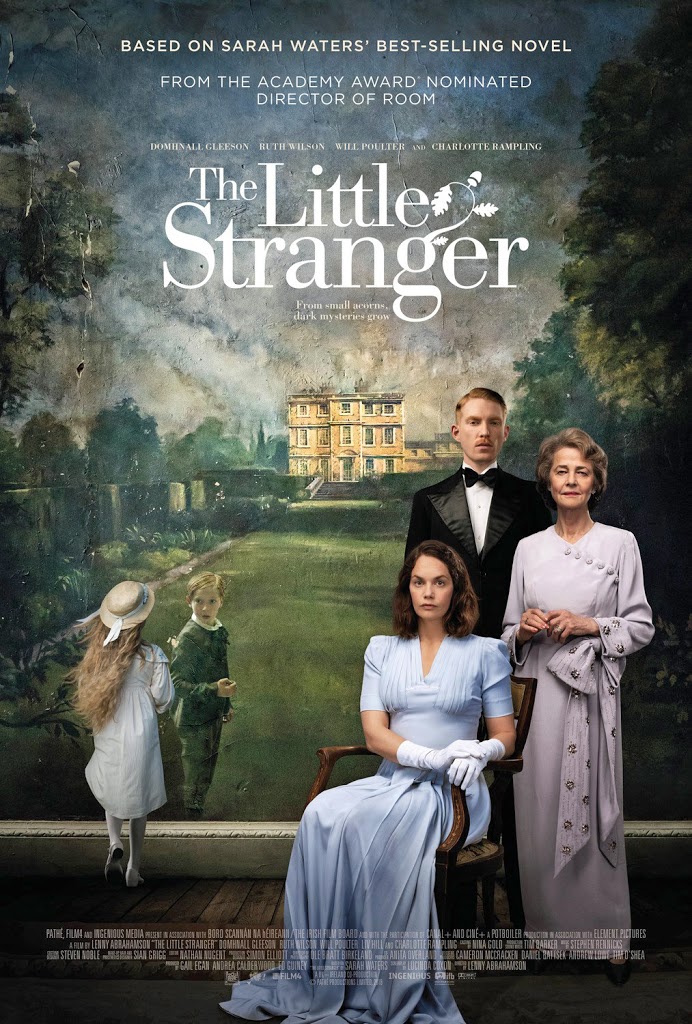
Low key ‘The Little Stranger’ is atmospheric, scary little tale
By Steve CrumThe Little Stranger is a little gothic horror movie. Despite its mediocre budgeted trappings and lack of flashy digital effects, this slow paced haunted house film has a fair share of scares. Lucinda Coxon has adapted Sarah Waters’ best selling book of the same name, with Lenny Abrahamson (Room) directing.
Set in a British countryside during the humid summer of 1948, The Little Stranger follows central character Dr. Faraday (Domhnall Gleeson) as he experiences strange goings-on after being summoned to Hundreds Hall. Faraday has a not so happy history at the 18th Century-built estate since he more or less grew up there when his mother was a housemaid. Mrs. Angela Ayres (Charlotte Rampling) is ailing, so her daughter, Caroline (Ruth Wilson), asks for Faraday’s help. The two knew each other when they were children.
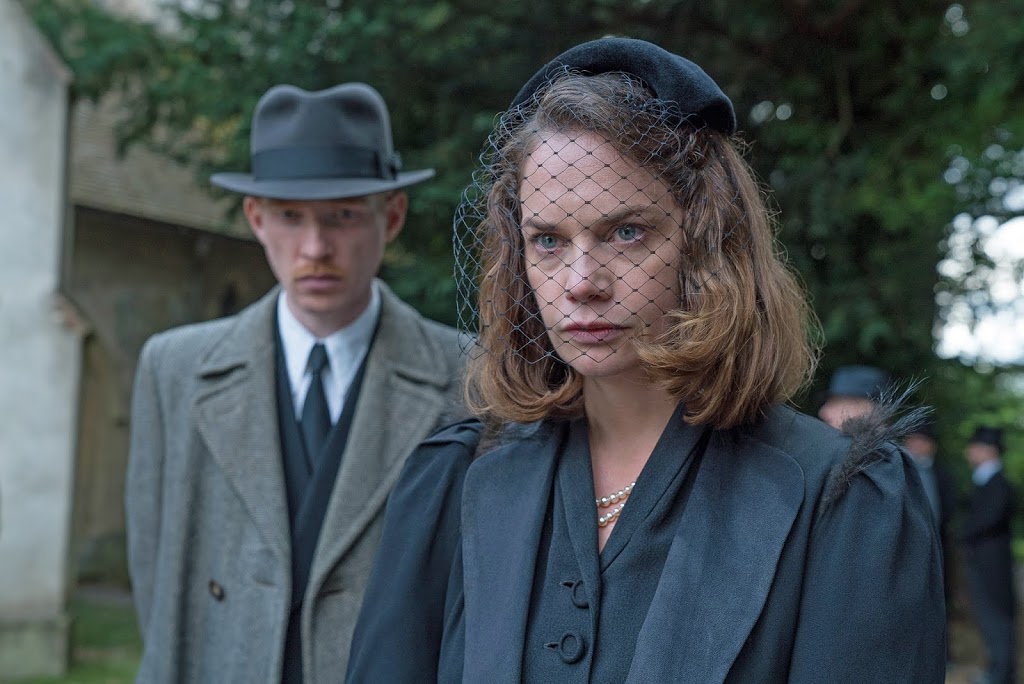 Complications arise upon Faraday’s arrival, when he crosses paths with Roddy Ayres (Will Poulter), Caroline’s brother. Roddy bears grotesque facial scars inflicted during his military service in WWII. Even more troubling is his inability to deal with PTSD symptoms, resulting in violent mood swings.
 The Ayres’ small family unit, accentuated by living in a mansion, has one youngish maid, Betty (Liv Hill), whose fortitude is being tested to the limit. Roddy’s outbursts are challenging enough, but she, along with inhabitants and visitors at Hundreds Hall, have begun to experience strange happenings. Something is awry, and a ghost might be the reason.
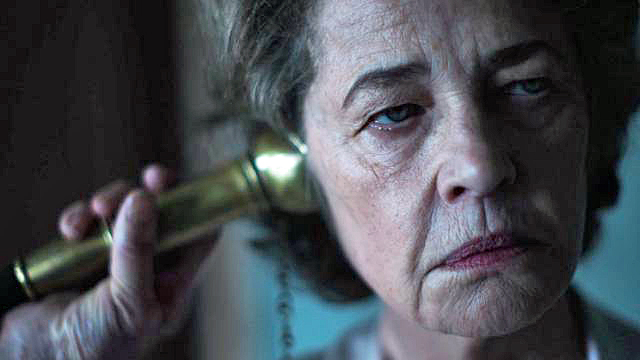
Faraday decides to take on Mrs. Ayres as his patient, and spends more and more time at the estate. (His office is in a nearby village.) He and Caroline become romantically entangled, which adds a subplot element. But then there is the thing that rings all the inner house phones, the thing that answers each phone with breathing, and the thing that is marking the walls, and soon slicing human skin.
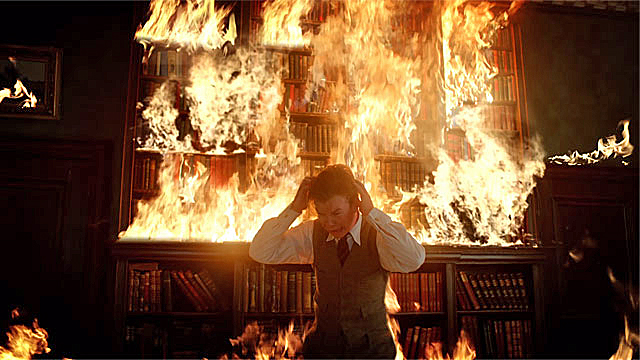
Let me emphasize that the violence is jarring, but not as graphic as most horror movies over the last few decades. That includes a little girl being bitten in the face by a dog. It is only heard off camera, but that suffices. It is in no way as relentlessly terrifying as an Amityville Horror or a Poltergeist. The Little Stranger is more in the league of 1963’s The Haunting. There is suggested horror with bits of slap in your face violence.
The well cast actors do very well, and Abrahmanson’s direction is solid. Nuanced is the apt description here.
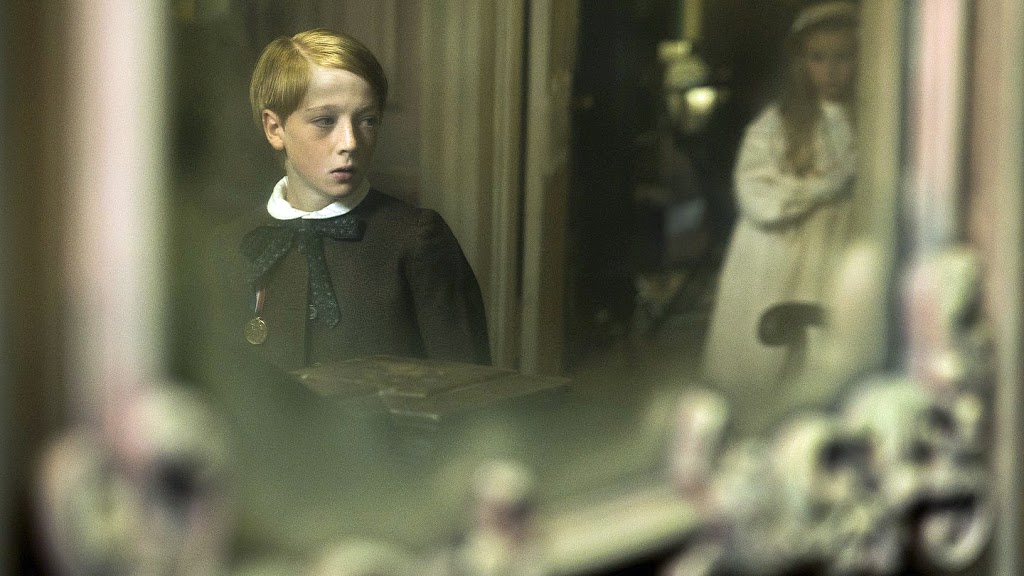 The Little Stranger is low on the creepazoid meter, but it tingled a couple of nerves along my spine. Forgiving its rather ambiguous conclusion, the film merits a viewing.
 ——————————
GRADE on an A-F Scale: B-
Old showbiz is new again via movie biographies of Laurel & Hardy, Buster Keaton, Gilda Radner
By Steve Crum
As a guy who wallows in the nostalgia of vintage show business, I am having anticipatory palpitations. The condition is purely fan-based, gushy, and driven by a slate of soon-to-be-released motion pictures. In other words, FINALLY…the lives of Buster Keaton, Laurel and Hardy, and Gilda Radner will be headlining the world’s multiplexes. 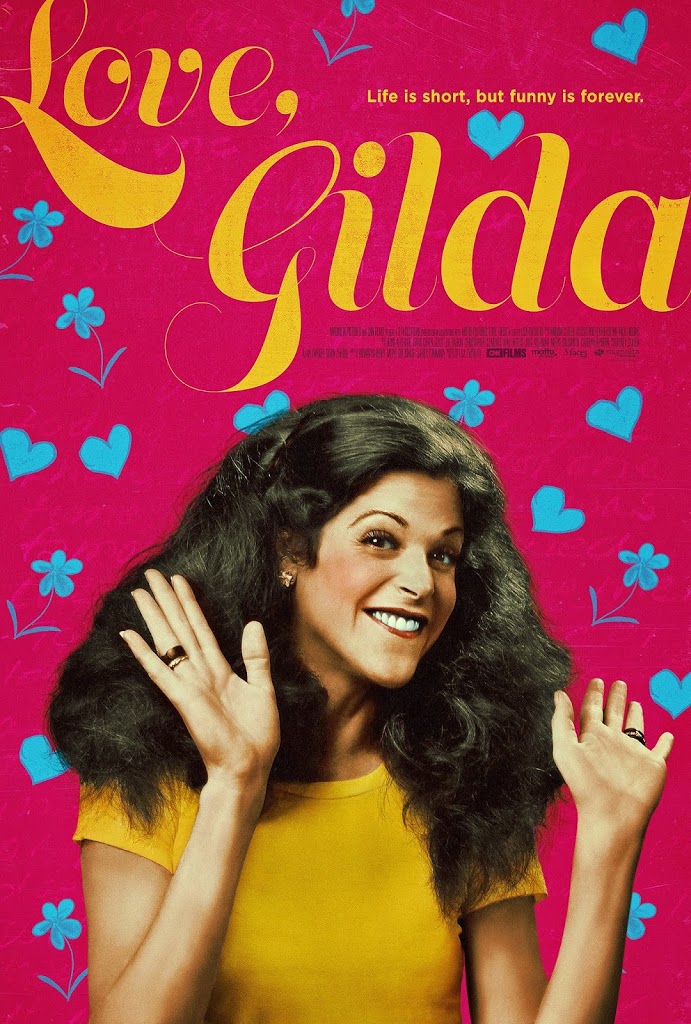 LOVE, GILDA is all about the gifted, beloved comedienne, Gilda Radner, who died of cancer at 42 young years in 1989. Directed by Lisa D’Apolito, the documentary features Maya Rudolph, Amy Poehler, Chevy Chase, Lorne Michaels, Laraine Newman, Martin Short, Paul Shaffer and Melissa McCarthy. They will speak to Gilda’s private persona as well as comedic influences on their careers.
 Opening Sept. 21, Love, Gilda will feature clips from her Saturday Night Live days as well her celebrated concert film. Gilda’s own words, culled from her diaries, will be interspersed with previously unheard audio tapes and family home movies.
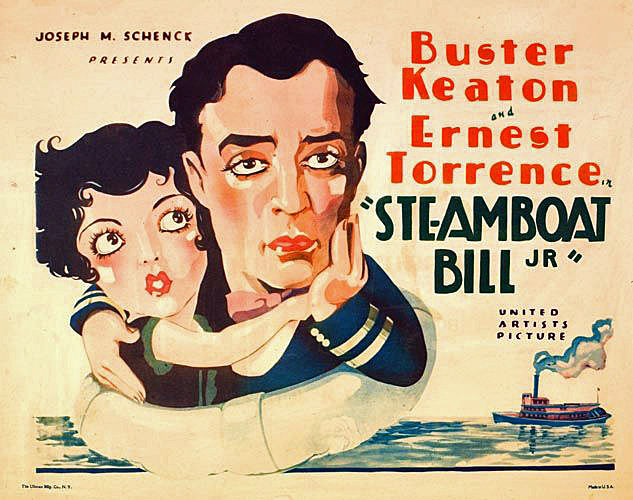
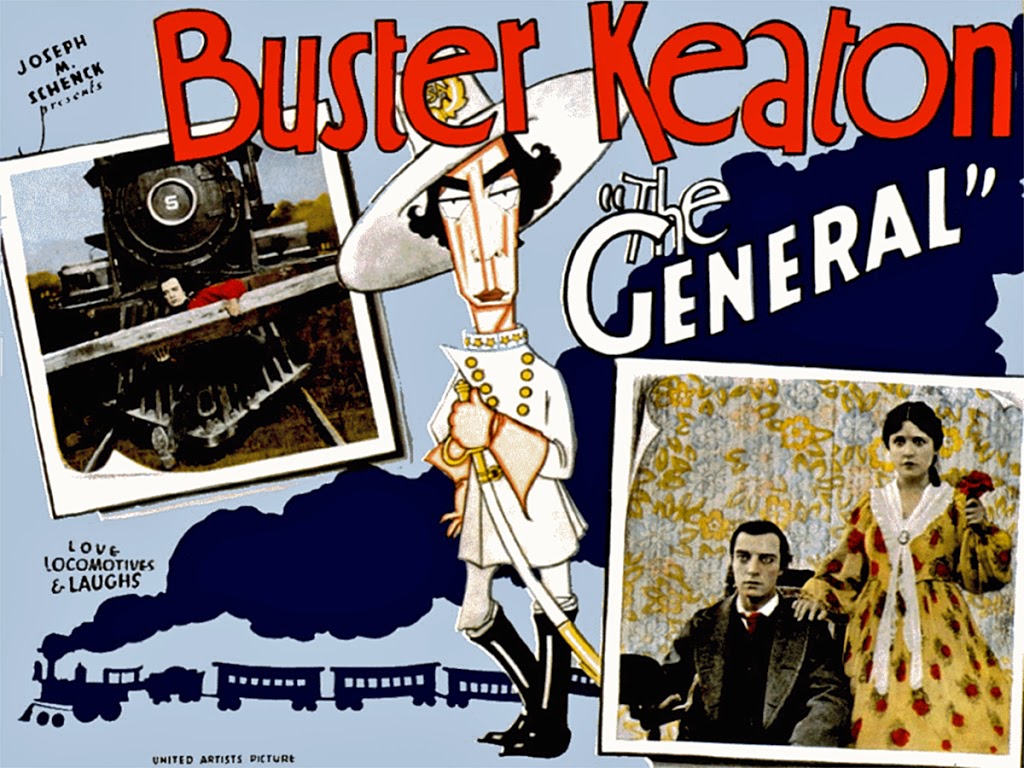 THE GREAT BUSTER: A CELEBRATION, a documentary written and directed by Peter Bogdonovich, opens Oct. 5., the day after Buster Keaton’s birthday. For my money, Buster remains the most brilliant film comedian of the silent era. No doubt the movie will mention his 1895 birth in Piqua, Kansas. Besides clips and behind-the-scenes interviews and remembrances about Keaton’s masterworks The General, Steamboat Bill, and the like, I hope there is at least mention of the yearly celebration of Keaton’s life and works held near his birthplace, in Iola. (I made the annual journey there over the last two decades.)
 Bogdonovich’s film includes recent interviews with Mel Brooks, Quentin Tarantino, Bill Hader, and others.
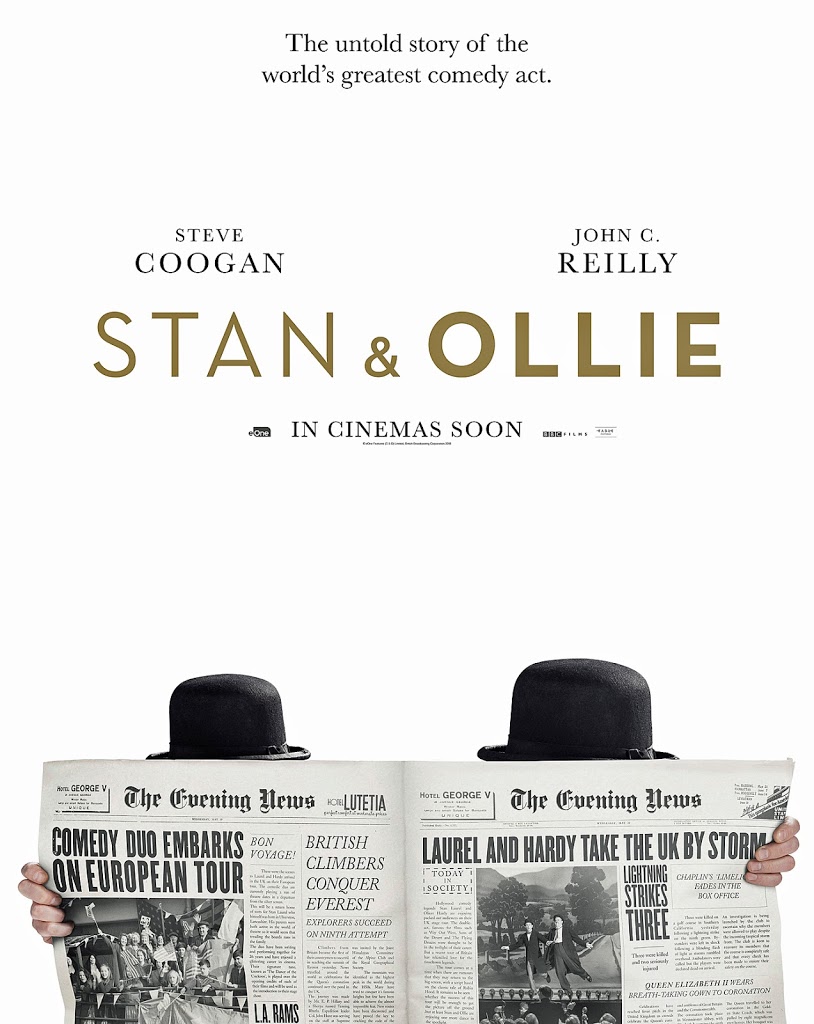 STAN & OLLIE, opening Jan. 11, 2019, is a biographical dramedy based on one year (1947) in the personal and professional lives of arguably the greatest movie comedy team of all time, Stan Laurel and Oliver Hardy. (No argument by me. The Boys ARE the greatest.) The focus is on Mr. Laurel and Mr. Hardy’s tour of postwar Great Britain, accompanied by their wives. Jon S. Baird directs a screenplay written by Jeff Pope (Philomena). Pope has long considered Laurel and Hardy his “heroes.”
 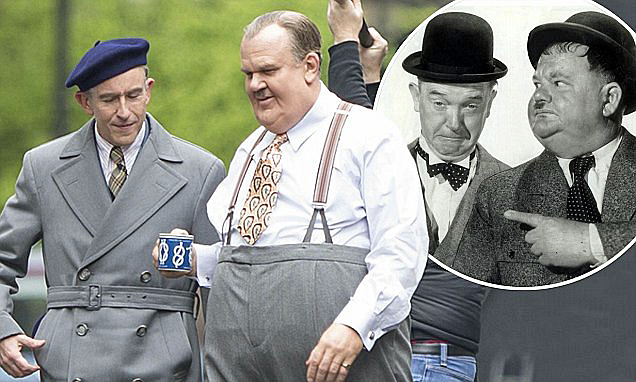 John C. Reilly (Chicago) is Ollie; Steve Coogan (Philomena) is Stan. There are no other box office names filling out the cast. That includes the actresses portraying the duo’s wives, Ida (Mrs. Laurel) and Lucille (Mrs. Hardy). Others depicted include names early movie fans will recognize: Hal Roach, James Finlayson, James Horne, and Joe Schenck. Music is by the prolific composer, Rolfe Kent, probably most famous for his Sideways score.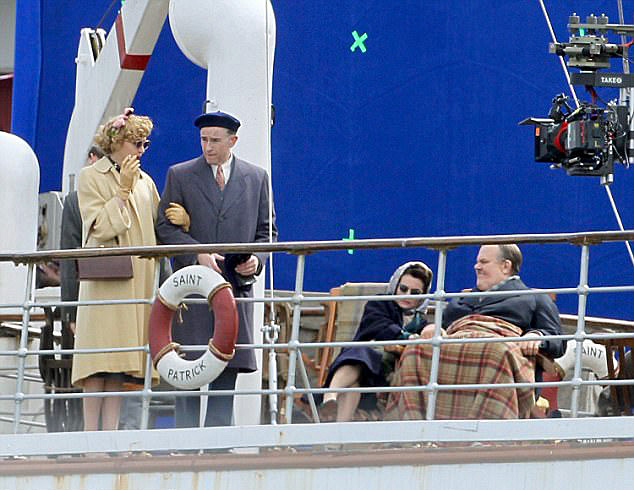
This is one film that I, a Sons of the Desert member, can hardly wait to see. Early reports say it is Oscar worthy. Considering how previous Hollywood “biographies” slaughtered the images of Buster Keaton (The Buster Keaton Story), W. C. Fields (W.C. Fields and Me), and Abbott and Costello (Bud and Lou), Stan & Ollie could deliver big time.
Please do not make this one “another fine mess.”
=====
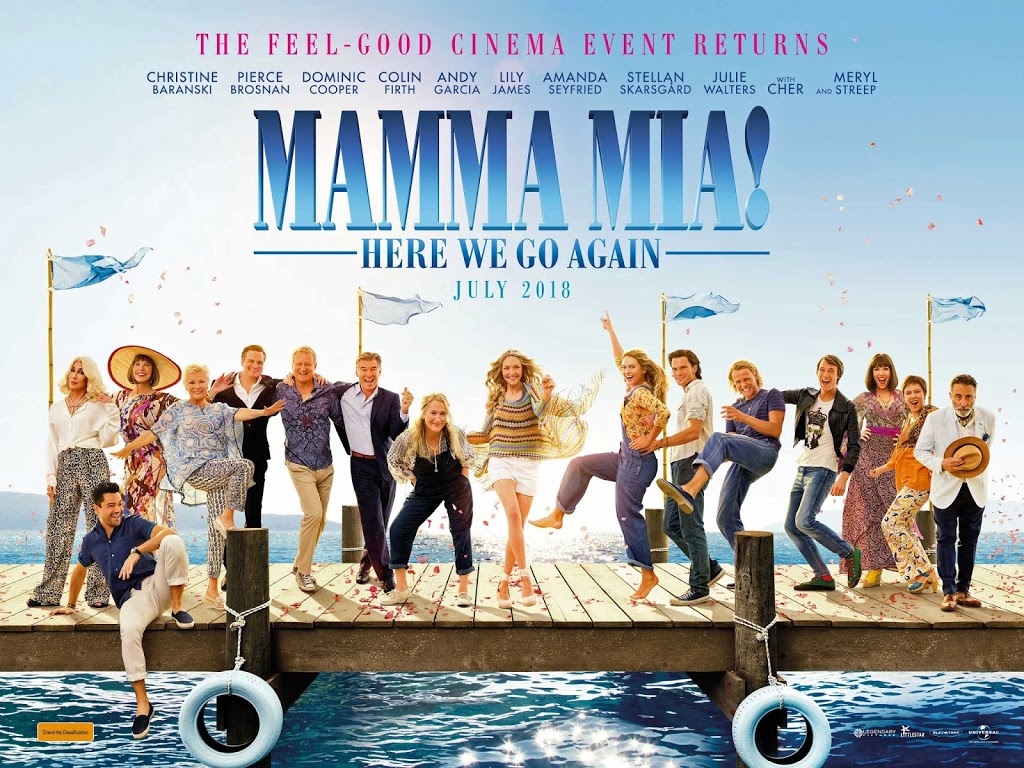
‘Mamma Mia’ sequel offers escape to Greek exotica with love, lust, laughs, ABBA music…plus Cher
By Steve CrumIt was a telling sign earlier this week at a screening when I found that I had been constantly smiling throughout the viewing of Mamma Mia! Here We Go Again. I am talking emoji happy face. This sequel to 2008’s Mamma Mia! is a delightfully winning romantic-musical-comedy. In a couple of ways, it outshines the extremely popular original.
Directed and written by Ol Parker (The Best Exotic Marigold Hotel), this second Mamma Mia! is both sequel and backstory. The main setting is five years after events in the original movie…and still on the Greek island of Kalokairi. Things have changed, particularly Meryl Streep’s Donna character. Er, the LATE Donna character. Sorry about the revelation, but it would be difficult to present a plot overview with giving away this spoiler. (See the movie for details of her death.)
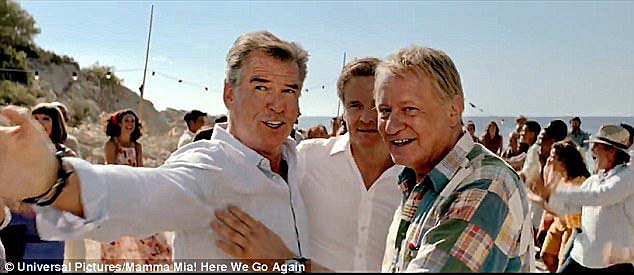 Donna’s 25 year-old daughter, Sophie (Amanda Seyfried) is the main focus here, and is in the midst of restoring her mother’s villa into the Hotel Bella Donna. She sends out formal grand opening invitations to friends and relatives, including her three “fathers,” once again portrayed by Pierce Brosnan, Stellan Skarsgård and Colin Firth. (Since she doesn’t know which one is her real dad, she considers all three as papas. You really need to see the first movie before seeing this one.)
 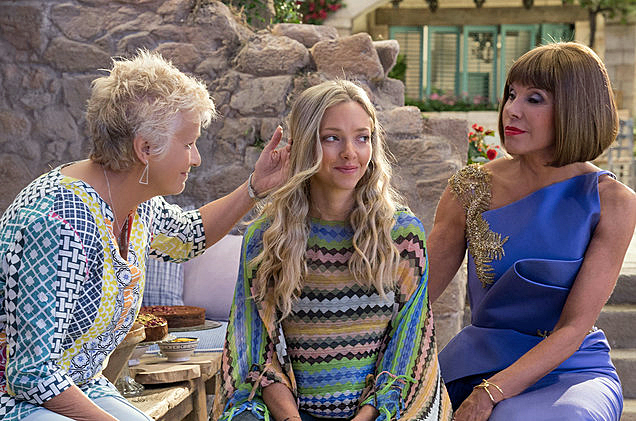 Of course, she invites her mother’s best friends, Tanya (Christine Baranski) and Rosie (Julie Walters). As for her husband, Sky (Dominic Cooper), there is a problem concerning his business back home in the USA. Conflicts regarding the weather and Sophie’s health also arise. Thank goodness Sophie is relying upon the hotel’s manager, Hernando Cienfuegos (a nearly unrecognizable Andy Garcia), who is stabilizing Sophie’s efforts.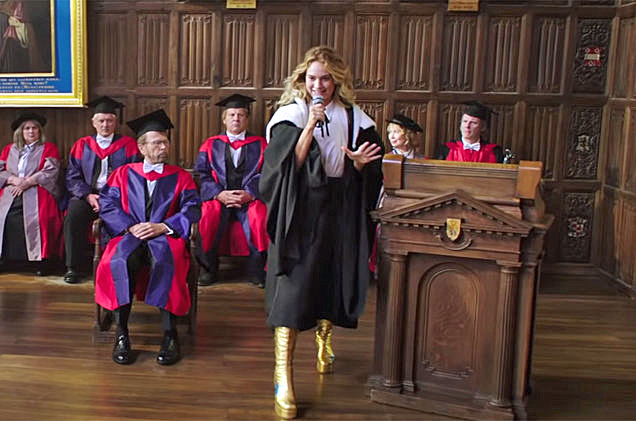
Time to back up a bit. Throughout the story, there are breakaways to the late Donna’s 20-something years when she first came to Greece and Kalokairi. These seamless segues occur back and forth throughout the film. Since half the story is a flashback, the young Donna character requires a strong, charismatic, talented actress. Such is provided by Lily James. She sings, dances, and does comedic acting superbly.
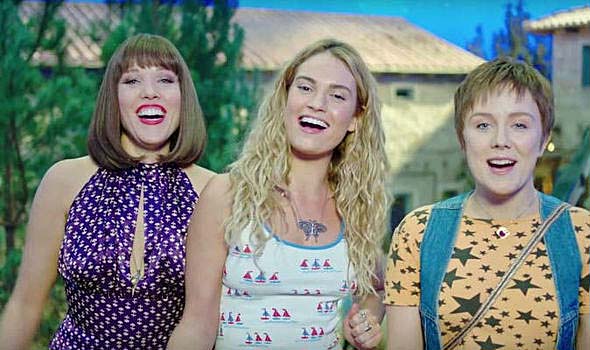 In telling Donna’s history, three young actors portray Sophie’s future “dads”: Jeremy Irvine, Hugh Skinner and Josh Dylan. And Jessica Keenan Wynn and Alexa Davies are perfectly cast as the young Tanya and Rosie.
The pièce de résistance of Mamma Mia! Here We Go Again is Cher’s portrayal of Grandmother Ruby Sheridan. Like seemingly everyone else in the movie, she performs to wonderfully arranged ABBA songs. Ruby makes her grand entrance about 2/3 into the film, and it is worth the wait.
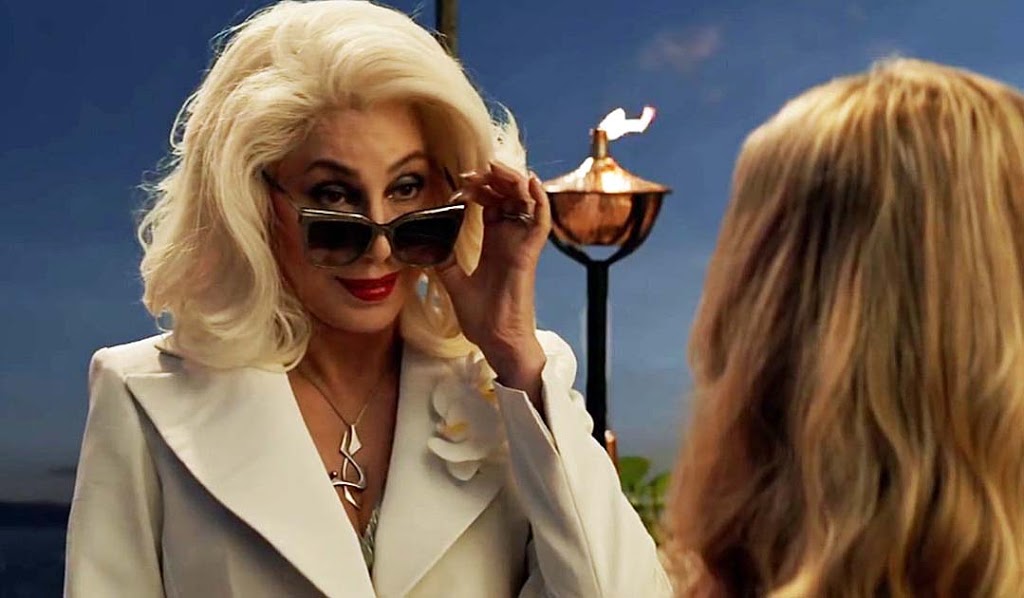
At the risk of dropping another spoiler, be aware that Meryl Streep’s Donna has much to do with the film’s finale.
Eighteen (count ‘em) ABBA songs are included…from “When I Kissed the Teacher” to “The Name of the Game” to “Super Trouper.” Some of the numbers were also sung in the first film.
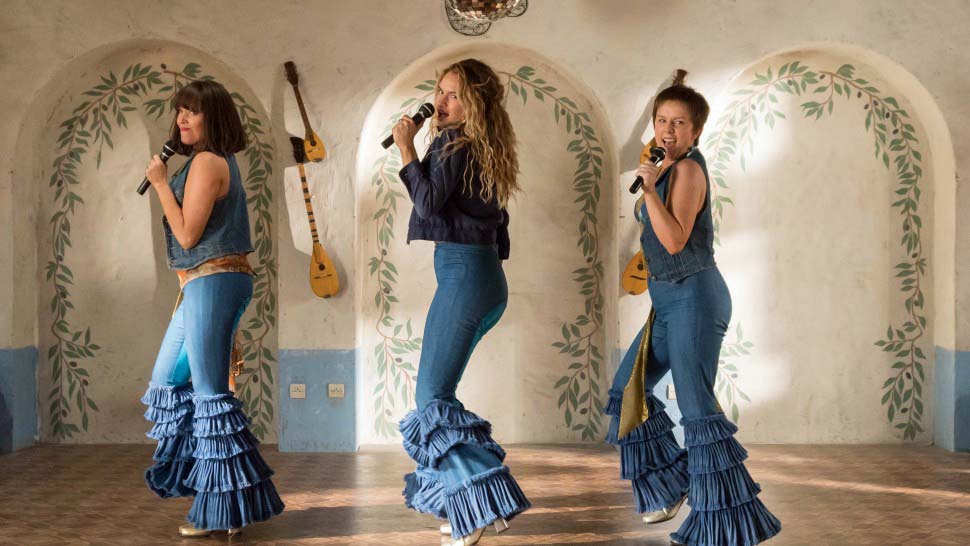
Maybe the current political climate helps make viewing a movie like Mamma Mia! Here We Go Again such a tremendously happy escape. Instead of daily strife and worry, we vicariously live on a Greek island full of love and lust while singing and dancing to ABBA music. Borrowing the tagline for 1974’s That’s Entertainment, “Boy, do we need it now!”
=====
ADDENDUM: Jessica Keenan Wynn (young Tanya) is part of a showbiz dynasty. Her uncle is screenwriter Tracy Kennan Wynn (The Longest Yard, others); and her grandfather is actor Keenan Wynn (Annie Get Your Gun + 279 movies and TV shows). Then there is her great-grandfather, the vaudeville, Broadway, radio, film and TV comedian-actor Ed Wynn, the laughing Uncle Albert in Mary Poppins.
——————————
GRADE on an A-F Scale: A-
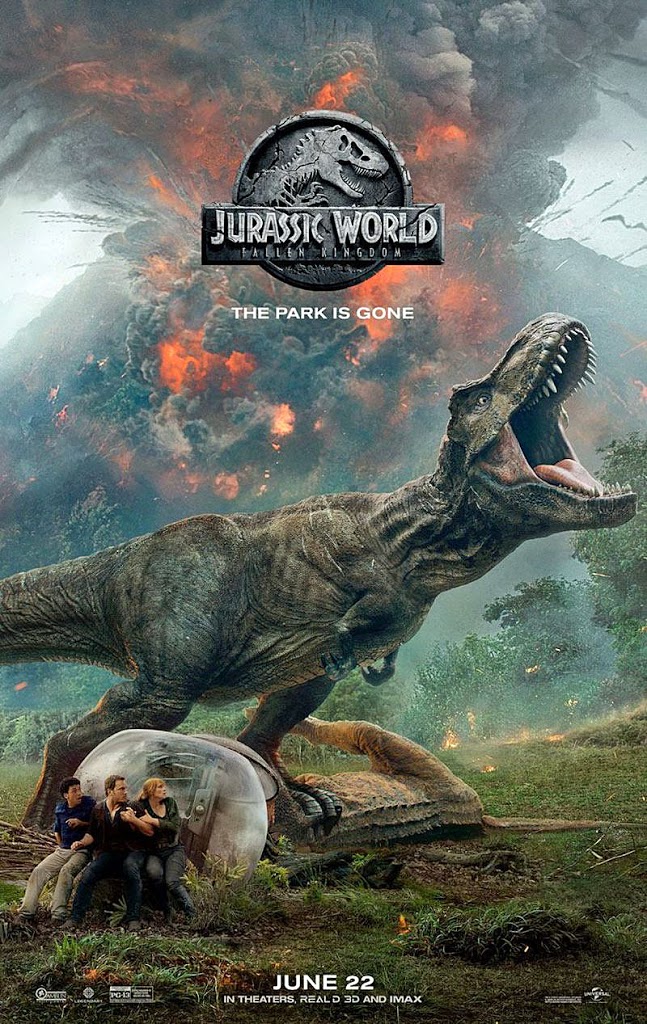
Familiar monsters—plus some humans—dominate frequently terrifying ‘Jurassic World: Fallen Kingdom’
By Steve CrumThis newest installment (#5) of the Jurassic Park franchise proves once again that containing a dinosaur is a fatally lost cause. Jurassic World: Fallen Kingdom is a fast and furious 128 minutes, jammed with a dozen-plus angry and gnashing dinosaurs eager to crunch-munch any nearby human. In other words, prepare for typical Jurassic Park action, tinged with the dark humor of men and women at risk of losing their limbs and lives. Bring the family. (It IS PG-13.)
With director J. A. Bayona (The Orphanage) at the helm, Fallen Kingdom closely follows the storyline of 2015’s Jurassic World. (The third part of the trilogy is planned for 2021.) Returning are Bryce Dallas Howard as Claire Dearing, and Chris Pratt as Owen Grady, the former dinosaur trainer for the Jurassic World tourist attraction. Pratt’s happy-go-lucky persona again jives perfectly here.
By the way, there is an added attraction unique to the Jurassic franchise: molten lava. As the island’s volcano erupts, the lava flows…closing in on Grady. Enough said, but it is a cleverly executed nail biter.
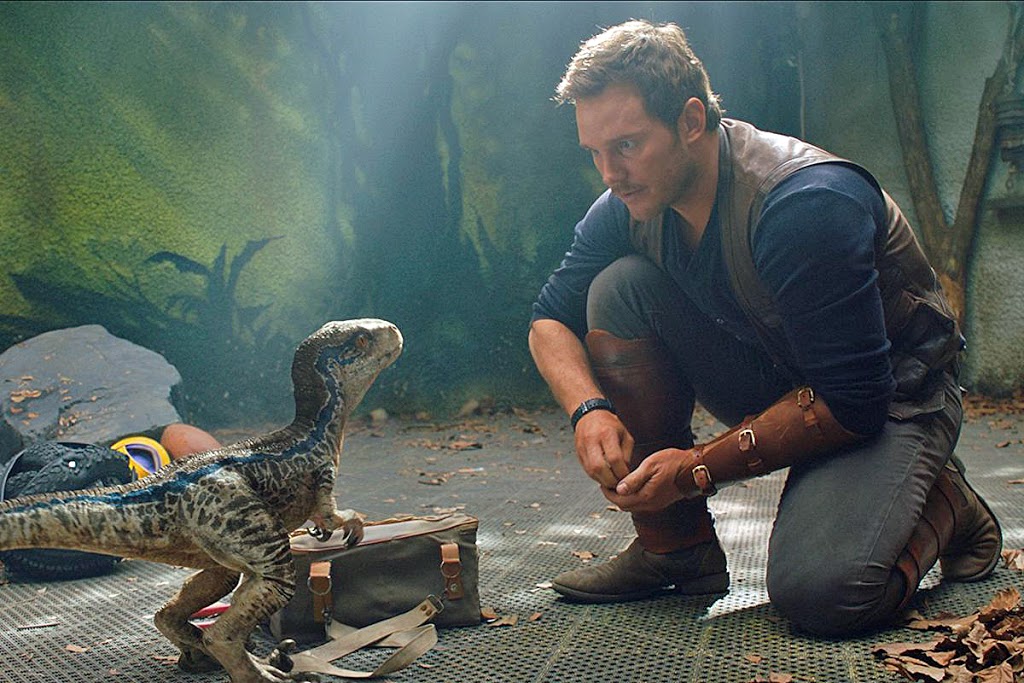 Speaking of “the island,” we are talking Isla Nublar. That’s where the story really kicks in, three years after events in the first Jurassic World. The tourists and park personnel have long left the bloodbath, resulting in millions of dollars of lawsuits. But dinosaurs still inhabit Nublar. Enter Dr. Ian Malcolm (Jeff Goldblum in a return appearance), who is asking the U.S. Senate to let the creatures die a natural death as a volcano is on the verge of destroying the island. At the same time, Claire Wearing, who now spearheads the Dinosaur Protection Group, wants to move the big guys (and gals) to sanctuary on another island. Her group gets financial backing to do so by Eli Mills (Rafe Spall), representing billionaire Sir Benjamin Lockwood (James Cromwell), former partner of the late John Hammond—of Jurassic Park fame.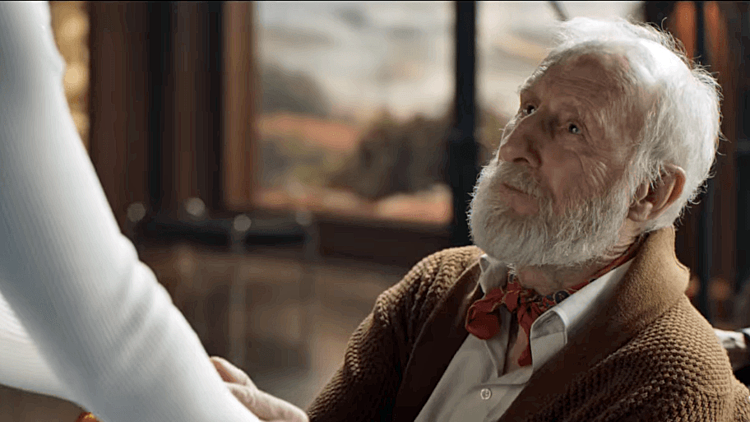
It is paramount that the reason Owen Grady is included in rounding up a half dozen or so different dino breeds is his history with raising the only remaining Velociraptor, “Blue.” Blue, of course, is the most dangerous of all the animals. Grady will insure its safe transport to another island. Well, things go awry. Big time. Greedy profiteers have taken over the project, and the animals are sent to the Lockwood Estate in Northern California.
You get the idea. The long established template of giant monster movies, beginning with the captured Brontosaurus in 1925’s “The Lost World,” is to take a creature from its jungle habitat and place it among civilized humans in New York City (King Kong) or London (The Lost World). In Fallen Kingdom, the terrors are unleashed within a huge mansion. Once again, we can thank the business types out to exploit the dinosaurs for profit.
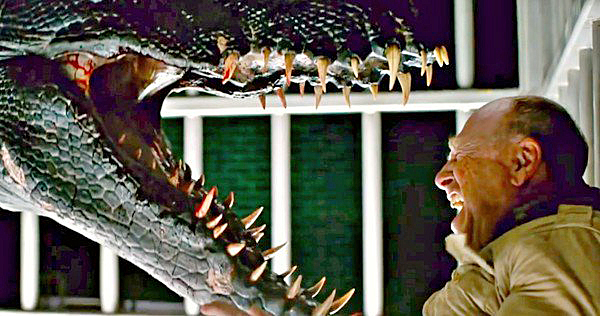
Will the greedy businessmen get their comeuppance? Or is the very mention an expected spoiler? All I will reveal is that half the fun is savoring the revenge and retribution via realistic CGI.
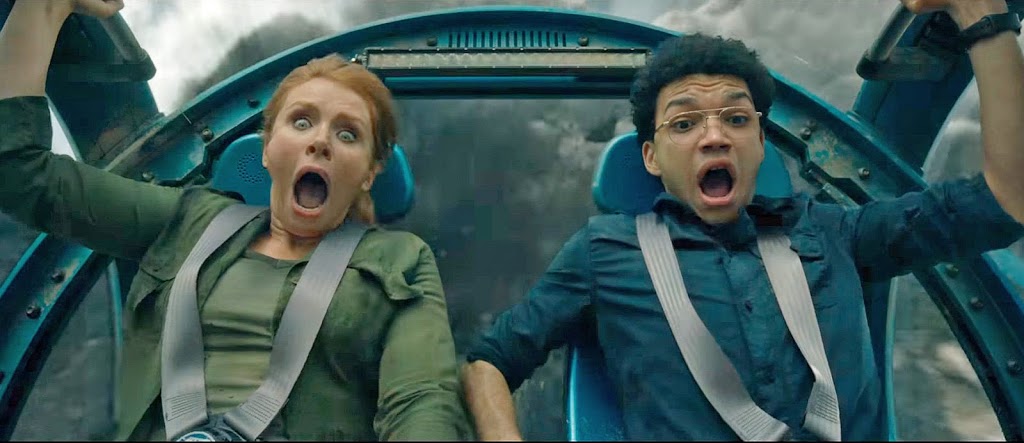 Incidentally, look for Geraldine Chaplin (Charlie Chaplin’s daughter) in a rare appearance as housekeeper/caretaker Iris at the Lockwood Estate. Mention should also be made for the comedy relief of Justice Smith as the DPG’s systems analyst. His character is a real scream.
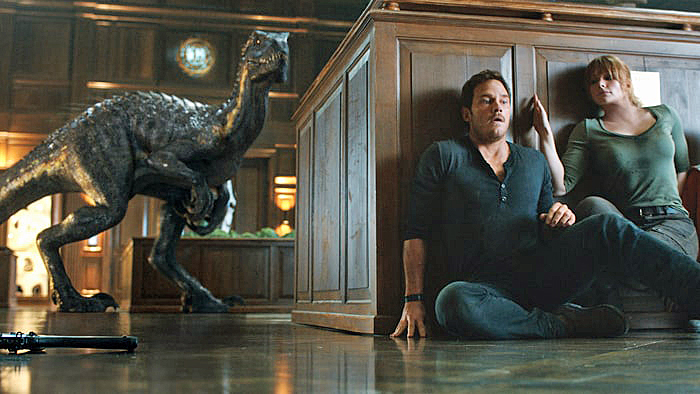
Golly, sorry about not mentioning the OTHER raptor, a super-sized one called an Indoraptor. That one might also get loose in the quaint mansion.
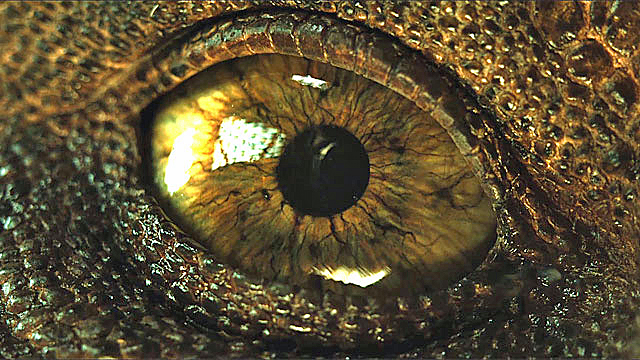
Could such an event ever occur in a Jurassic Park flick?
——————————
GRADE on an A-F Scale: B+
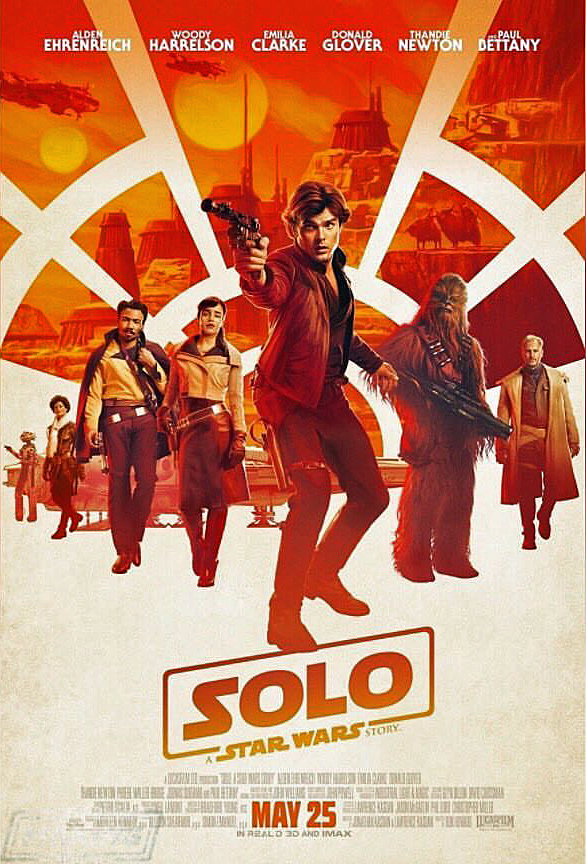
‘Solo’ unites/reunites Han, Chewbacca in action-packed ‘Star Wars’ backstory
By Steve CrumAfter 41 years (Can you believe it?!), Star Wars movie #10 warps into our space with Solo: A Star Wars Story. And it is a fun and exciting, though imperfect, addition to the Star Wars array. Solo is well worth seeing, particularly for fans. That is because only fans will pick up on all the references from the former nine flicks. Such is the built-in downside of any sequel, prequel or referential motion picture like those in the Star Wars franchise.
Solo: A Star Wars Story, directed by Ron Howard and written by established Star Wars scribes Jonathan and Lawrence Kasdan, tells a portion of the backstory of Han Solo (Alden Ehrenreich). It is set not long before Star Wars Episode IV—A New Hope. The film is not considered a prequel to mainstream Star Wars episodes, but is a called a “stand-alone installment.” However, there are allusions to future events covered by Harrison Ford’s portrayal of Han.
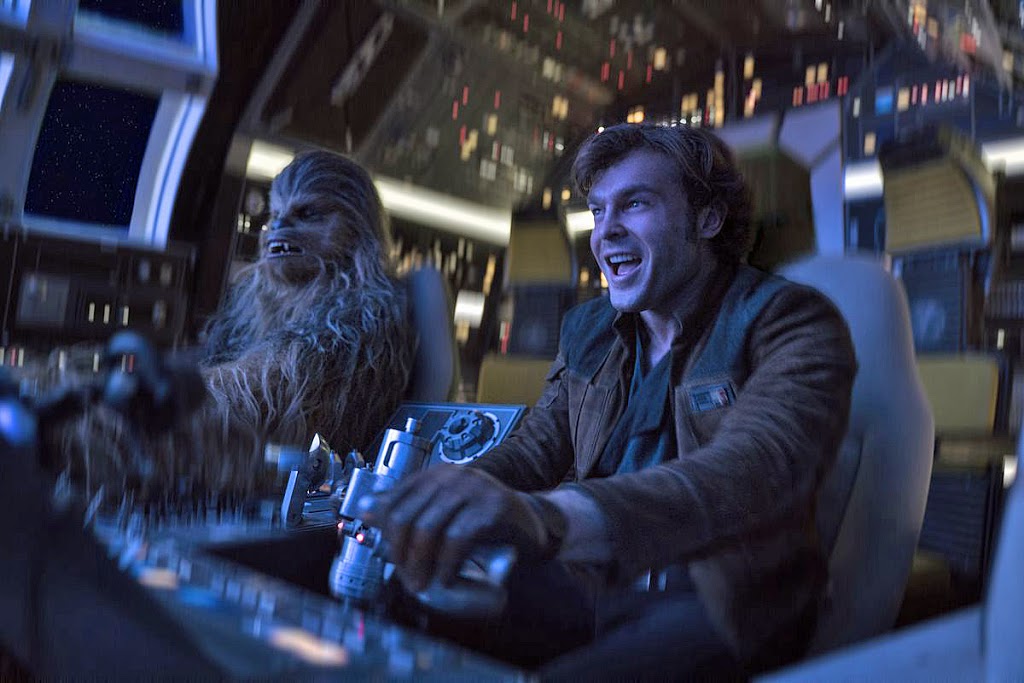 Incidentally, Ehrenreich is a very credible Han Solo without resorting to a plastic Harrison Ford impression. But like Ford’s version, the familiar Han Solo brash bravado and smart ass demeanor are clearly there.
 Nearly as anticipated as seeing a young Han is seeing a younger (not young, by any means) Chewbacca, the Wookie (Joonas Suotamo). We get the scoop on how the two met and became fast compatriots. Without divulging too much, let us say that they first cross paths in a sequence hearkening to the Luke Skywalker battle versus the underground cave creature in Return of the Jedi. By this point in the 135 minute film, we have also learned of the origin of Han’s last name. (Silly me, all the time I thought Solo was his family name.)
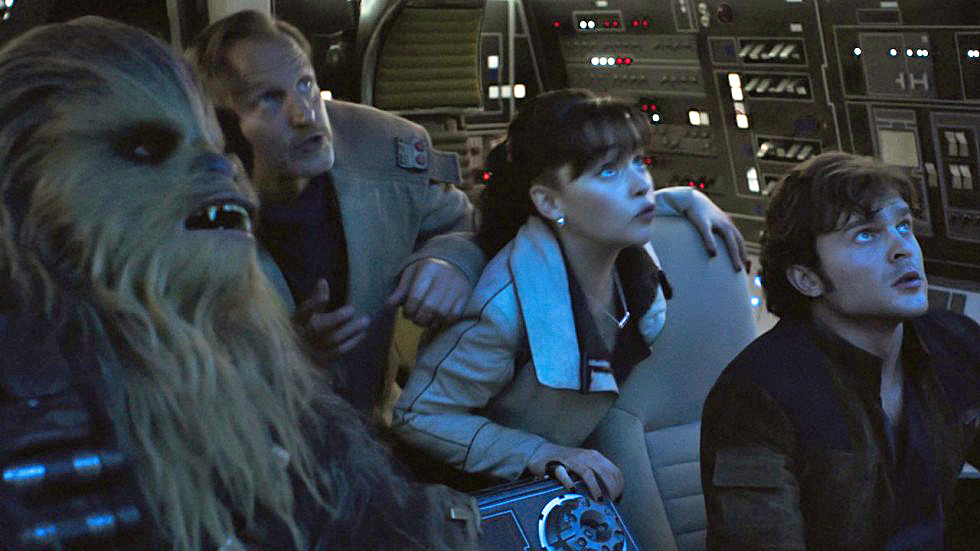
Sandwiched between the action set pieces (a frantic land speeder chase; outmaneuvering a giant worm monster; and a dizzying monorail train battle among them), we witness Han Solo in love and lust with the stunning Qi’ra, well played by Emilia Clarke. Of course, this was pre-Princess Leia.
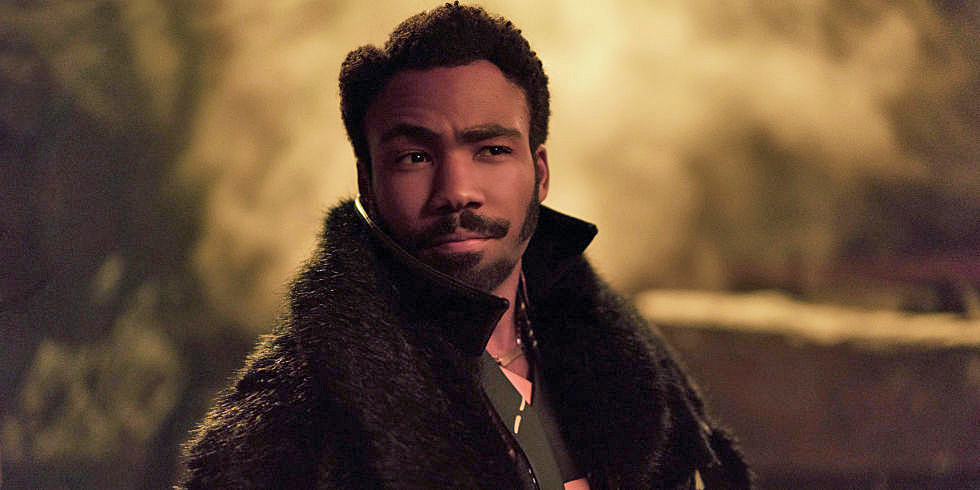 Major screen time is given to Woody Harrelson’s Tobias Beckett, who is not only Han’s mentor but a criminal with multiple allegiances. Also dubious is Donald Glover’s Lando Calrissian, the smuggler and con man originally played by Billy Dee Williams.
 Solo is filled with a roster of characters, some newly introduced (Dryden Vos, Val Beckett, Lady Proxima) as well as some surprising oldies. (One of the latter drew shrieks of awe at the screening.)
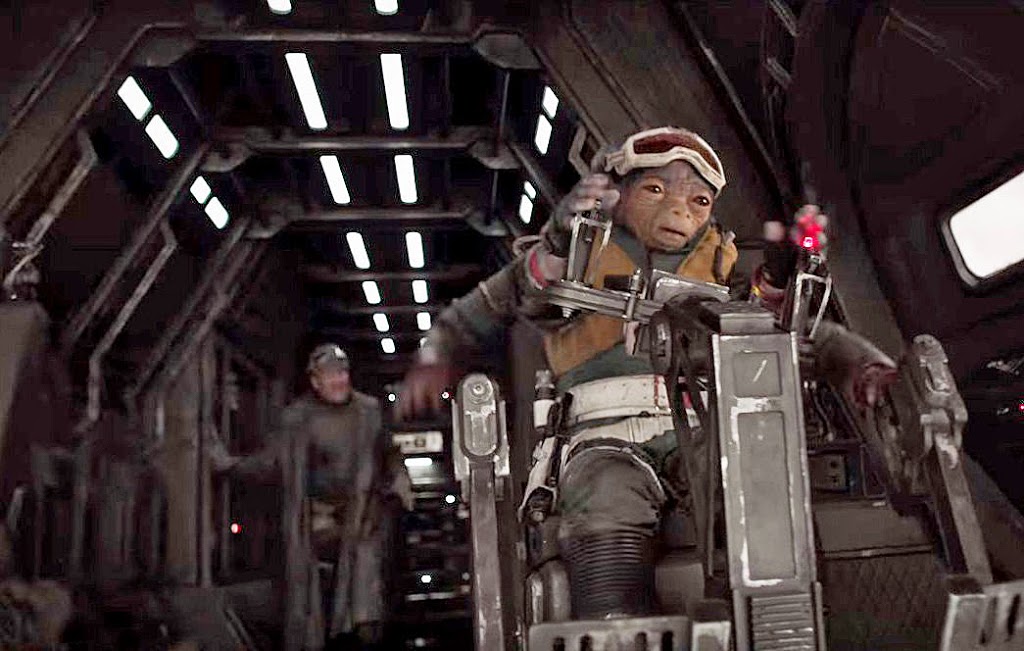
The primary plot point centers of Han and his compatriots aboard the Millennium Falcon as they execute the Kessel Run, a smuggling route in the Galactic Empire. This is Han’s bragging right he speaks of in A New Hope: “I made the Kessel Run in less than 12 parsecs.”
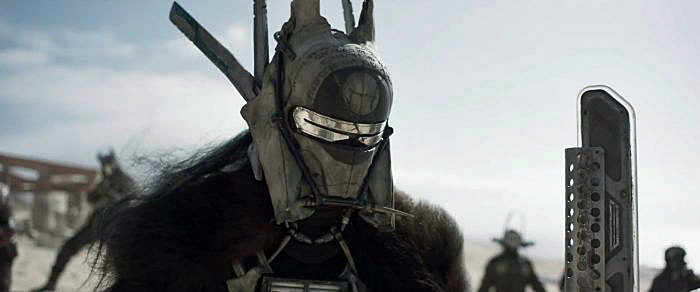 Solo’s drawback centers on dimly lit, talky sequences that slow the pace down to a near stop. Then again, the many action portions are spectacular and nail gnawing. On balance, however, Solo: A Star Wars Story is pretty grand sci-fi adventure.
 The studio labels it a “space Western film,” which makes more than horse sense.
——————————
GRADE on an A-F Scale: B