
Captain Kangaroo goes to war & more lies
After receiving another breaking news flash about Bob Keeshan and Lee Marvin in a recent e-mail, the time is ripe to reprint a story published many moons ago. I have updated it somewhat.

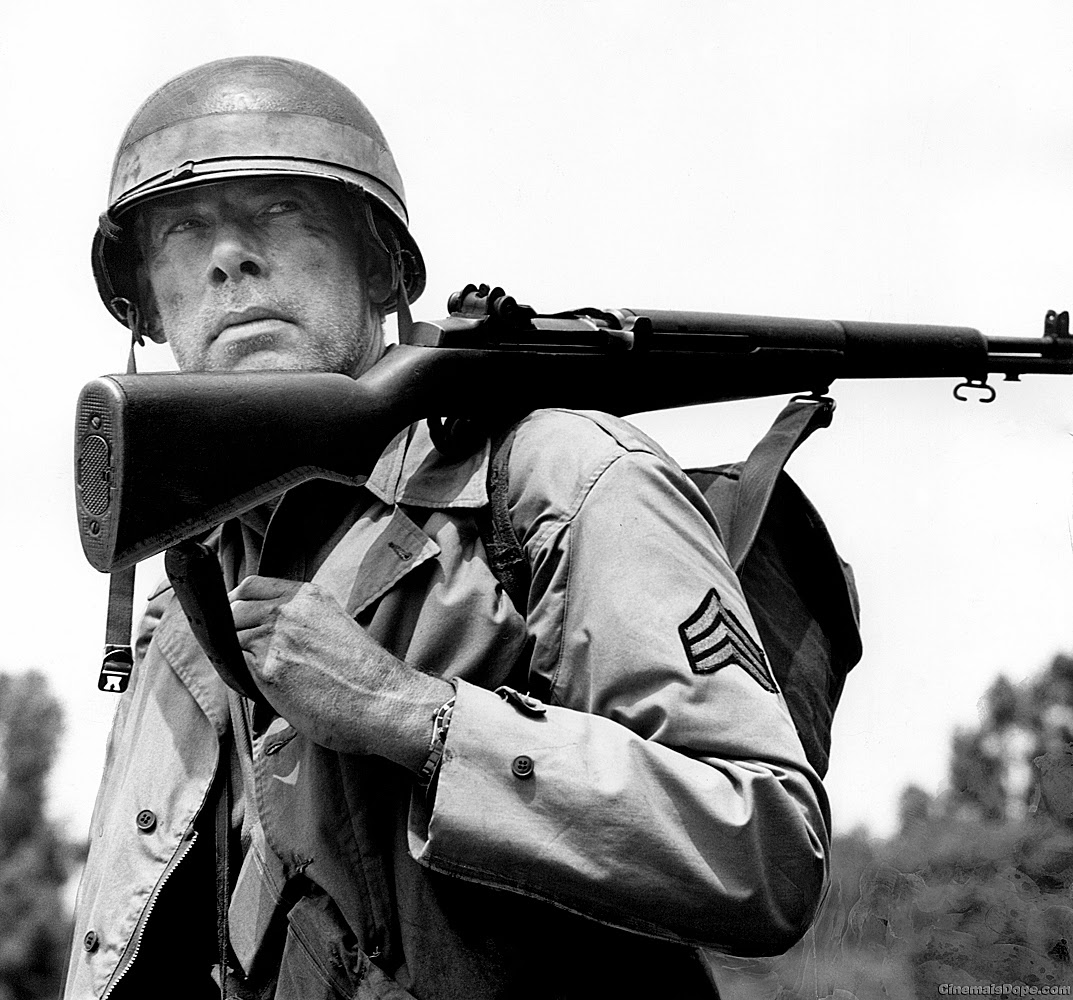 Marvin continued: “When they brought me off Suribachi, we passed him and he lit a smoke and passed it to me lying on my belly on the litter. ‘Where’d they get you, Lee?’ he asked. ‘Well Bob, they shot me in the ass and if you make it home before me, tell Mom to sell the outhouse.’ Johnny, I’m not lying. Sgt. Keeshan was the bravest man I ever knew! You now know him as Bob Keeshan. You and the world know him as Captain Kangaroo.”
IT’S CRUMMY TRIVIA TIME…with ALFRED NEWMAN!
By Steve Crum
Film scores have been a passion of mine since my youth. In those early days before DVD, CD, cassette, iTunes, Netflix, Laser Disc, VHS, Beta, and even 8-track, the only way to ‘bring home’ a favorite movie was via its movie soundtrack music on LP aka 33-1/3 rpm. This was also known as a long playing record, young ones. [Perhaps this piece should begin with ‘Once upon a time…’] My record album collection of movie scores and soundtracks once numbered at nearly 400. I loved movies big time. Still do. A few of my friends in those bygone days spent a lot more than I did by collecting their favorite movies on 16mm film. But that is another story. Here’s your Crummy Trivia regarding classic movie composers:
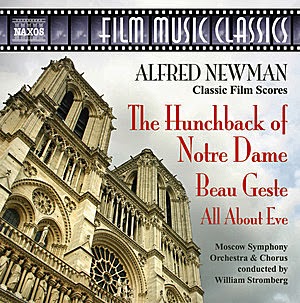
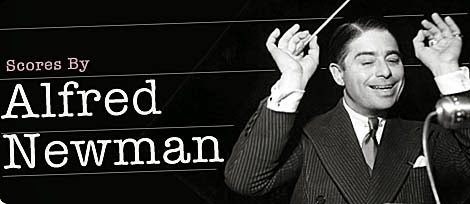 Answer: ALFRED NEWMAN [1901-70]. His name invariably gets a titter from those who think of the moronic mascot of Mad Magazine, Alfred E. Neuman. Composer Newman was a prolific and brilliant musician who is most associated with 20th Century Fox where he wrote hundreds of film scores over several decades. His last score was 1970’s Airport. Newman is the uncle of pop composer-performer Randy Newman, and brother of Lionel Newman, a composer and conducter in his own right. It doesn’t end there. His other brother Emil, as well as children Thomas, Marie, David, and Grand Nephew Joey [all Newmans] are composers!
O’Connor: the song and dance ends
Following Michael Jackson’s recent death, many tributes noted his dance expertise. Among a handful of all-time great dancers who preceded Michael is Donald O’Connor. When O’Connor died six years ago, I wrote a loving tribute to him in The Kansas City Kansan newspaper, reprinted below. O’Connor could act, sing and tell jokes for sure, but it was dancing that made him special.
 Think about the most famous dance number in movie history, and Gene Kelly’s splashy Singin’ in the Rain from the musical of like title is immediately visualized. The next most known movie dance number? Certainly Fred Astaire, arguably film’s greatest dancer, had dozens of brilliant set pieces.
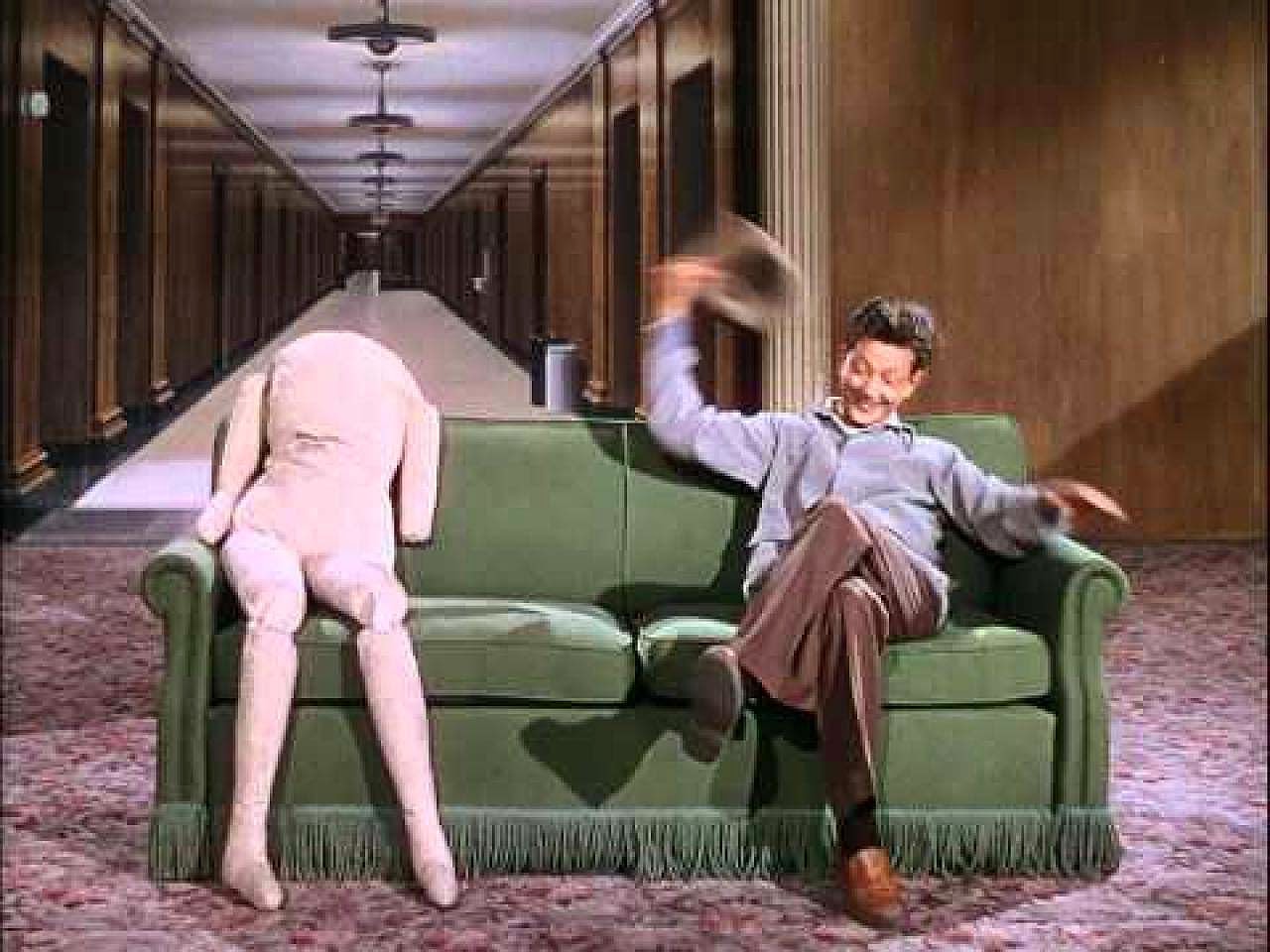 Film critic Roger Ebert recently wrote of O’Connor’s appearance earlier this year at a University of Illinois showing of Singin’ in the Rain. No surprise that Make ‘Em Laugh still astounded and entertained. A young girl asked O’Connor how he ran up that wall. His deadpan reply: “Experience.” O’Connor spent three days in bed recuperating after the sequence was filmed. Fellow cast member Debbie Reynolds said he was undoubtedly covered in bruises.
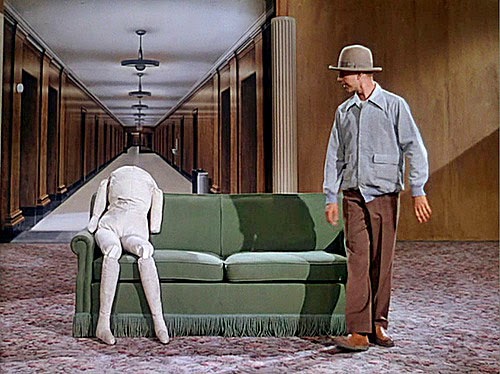 Like his vaudevillian parents, Donald O’Connor was always the show-must-go-on trouper. He considered himself a song and dance man throughout his career despite numerous awards and star status. Among those awards was an Emmy back in TV’s truly goldie-oldie days for his star stint on 1954’s Colgate Comedy Hour. That is primarily the reason for his two Hollywood Walk of Fame stars: TV and motion pictures. Although O’Connor danced, sang, and acted on TV through 1983 in guest spots on Frasier, Murder She Wrote and others, he is best showcased in movies. Singin’ in the Rain brought him the Golden Globe as Best Motion Picture Actor in a Musical-Comedy, beating out Gene Kelly. Other career highlights include an 11 year-old Donald singing Small Fry with Bing Crosby in 1937’s Sing You Sinners, and the next year portraying Gary Cooper’s title character as a child in Beau Geste.
Before Michael, Forest Lawn was stars’ final rest stop
By Steve Crum
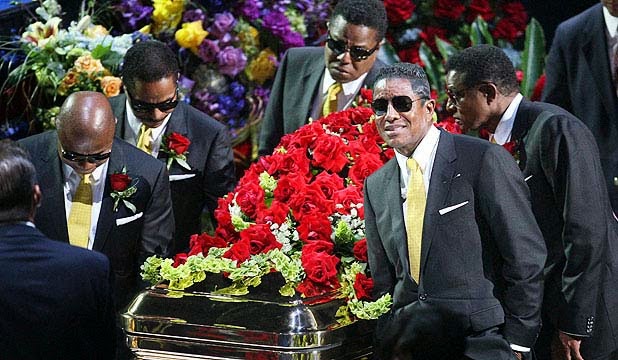 At this writing, it is unknown exactly where Michael Jackson will be buried. Or entombed. If he is taken, at least temporarily, to one of the Forest Lawn Cemeteries (there are several in the funeral franchise), it will likely be (rumor alert) either the Forest Lawn Glendale or Forest Lawn Hollywood Hills. (Could be that Michael will eventually be entombed at Neverland, which would become a West Coast Graceland. Again, speculation.)


IT’S CRUMMY TRIVIA TIME…with CECIL B. DEMILLE!

By Steve Crum
CECIL B. DEMILLE [1881-1959], the great director, producer, host of radio’s Lux Radio Theater and screenwriter, is generally considered the man who made Hollywood the film capital of the world. Although he is identified with movie spectacles like The Greatest Show on Earth, The Ten Commandments and Union Pacific, DeMille began as a Broadway actor in 1900.