
Author: Steve Crum
‘Bad Teacher’ gets solid, shaking one’s head, ‘F’


——————–
Despite dicey plot, ‘X-Men: First Class’ is spectacular fun


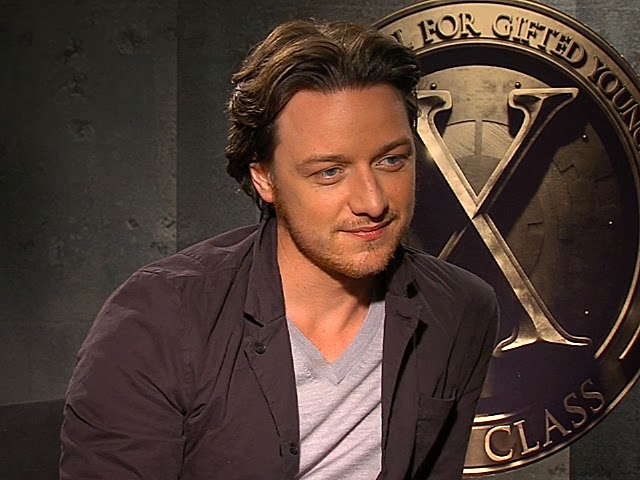 Then again, without being overly analytical, anyone possessing Erik’s powers could easily have defeated the Nazis and ended WWII. But that story possibility is quickly ignored. (Yeah, yeah, Erik had yet to fully realize his awesomeness, so there is a degree of credibility here after all.)
——————–
‘Thor’ hits nail with above average comic book action, dialogue

 There is a whole lot of transporting in Thor, from the celestial kingdom located at the top of the universe to the frozen land of Jotunheim (ice warrior central) to planet earth, and back and forth. Thor and his friends are shown as blurry images, hurtling through space at warp speed.
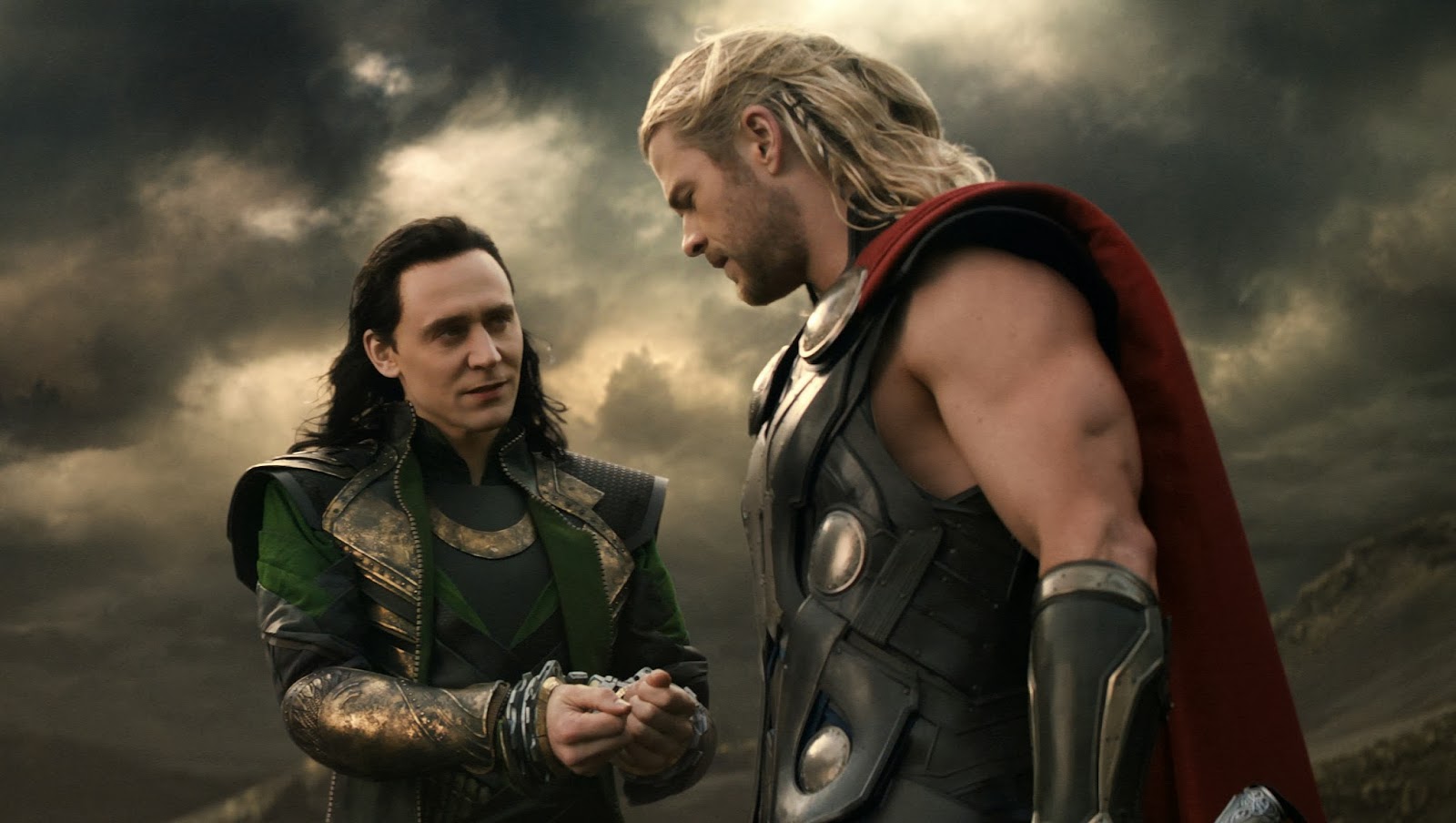 Back on Mama Earth, the embedded hammer, Mjolnir, resting in the center of the crater it created, has been sealed off by SHIELD, earth’s super secret intelligence agency. At the same time, Odin has evidently suffered a stroke, and is near death as his wife Frigga (Rene Russo) grieves. This all gives brother Loki, who has ice guy genes, opportunity to act out his dark side with Laufey who wants to rule the galaxy.
 PART II: The Sequel, Prequel, Remake, Superhero Summer of 2011


By Steve Crum
Two Marvels and a DC describe the comic book superheroes represented on screen over the next three months. There are also enticing to retched titles running the gamut from aliens to penguins to zombies.
THE SUPERHERO BUNCH
•Thor (May 6)—Based on the clunkiest Marvel Comics superhero of them all (here played by Chris Hemsworth), since his shtick is having mythical roots, and wielding a large hammer. Sort of like Hercules carrying a clobberin’ club. That simple premise will pull me into the theater. Kenneth Branagh directing Natalie Portman and Anthony Hopkins is added attraction.
•Green Lantern (June 17)—One of my childhood’s favorite DC Comics heroes, GL is green-ray driven through his power ring. Ryan Reynolds stars.
•Captain America: The First Avenger (July 22)—Chris Evans dons red, white and blue to battle super Nazi Red Skull (Hugo Weaving) during WWII. Yet another Marvel hunk to unite the peace loving world.
INTRIGUING MOVIES… •Hobo with a Shotgun (May 6)–Rutger Hauer is the hobo, the shotgun plays itself. Sounds like the homeless have a superhero. This title has Snakes on a Plane appeal.
•The First Grader (May 13)—An 80 year-old African enrolls in Grade 1.
•Hesher (May 13)—Joseph Gordon-Levitt plays a pot-headed, garage-dwelling rocker, man.
•Midnight in Paris (May 20)—Woody Allen’s 42nd film has star-laced cast including Kathy Bates and Owen Wilson.
•Beautiful Boy (June 3)—A family stresses when the son decides to shoot up his school.
•Beginners (June 3)—Ewan McGregor plays Christopher Plummer’s son, both dealing with dad’s gay revelation.
•Super 8 (June 10)—J. J. Abrams directs harrowing story of teens filming their own zombie movie, and stumbling upon a real, living, dead person en route. •Buck (June 17)—Documentary of the last of the true cowboys. B. Brannaman.
•Mr. Popper’s Penguins (June 17)—Channeling Ace Ventura, Jim Carrey is surrounded by six Gentoo Penguins. Also starring Angela Lansbury as an irate landlady.
•Page One (June 17)—Documentary about The New York Times, behind the scenes.
•Conan O’Brien Can’t Stop (June 24)—Tribulations and motivations of TV’s red headed, late night host are explored via documentary.
•Larry Crowne (July 1)—Tom Hanks directs, stars with Julia Roberts, who plays his jr. college teacher. Hanks is highly motivated, his teacher is insensitive. The perfect love story.
•Project Nim (July 8)—Disturbing, true story documenting Nim Chimpsy’s training to teach him human language.
•Cowboys & Aliens (July 29)—Daniel (James Bond) Craig and Harrison Ford, director Jon Favreau, and producers Steven Spielberg and Ron Howard team in this big budget sci-fi western. The top of my must-sees.
•Crazy, Stupid, Love (July 29)—Steve Carell, Julianne Moore, Ryan Gosling and Emma Stone star in a romantic comedy of morals and manners. Will Carell have post-Office, box office chops? Looks likely.
•The Help (Aug. 12)—All about African-American maids of wealthy whites, Down South, in the 1960’s. Emma Stone, Viola Davis, Sissy Spacek, and Octavia Spencer star.
ODD, BUT WORTH THE TIME & MONEY?
•The Beaver (May 6)—Blend Jodie Foster as star and director with co-star Mel Gibson as a suicidal guy who speaks through his beaver hand puppet.
•Priest (May 13)—Horror flick set in aftermath of human vs vampire war.
•Bad Teacher (June 24)—Just what American education needs these cutback days, a role model like the teacher Cameron Diaz portrays: a jr. high teacher who keeps pot and booze in her classroom. Justin Timberlake co-stars as a substitute teacher.

•Horrible Bosses (July 8)—Three buddies team up to literally murder their respective bosses, a twist on Nine to Five. Kevin Spacey, Colin Ferrell, Jennifer Aniston star. A far from light comedy.
•The Change-Up (Aug. 5)—Freaky Friday flip of swinging bachelor and a married guy exchanging identities. The fantasy of it all.
DON’T WANNA SEE, BUT PROBABLY WILL SINCE I’M A CRITIC
•Passion Play (May 6)—Mickey Rourke’s jazz musician falls for Megan Fox, who has wings. Michael?
•Bridesmaids (May 13)–The flip side of The Hangover, featuring rowdy babe pals carousing the town for a good time. Homage to the recent royal wedding, no doubt.
•Submarine (June 3)—Teen strives to lose virginity to save his parents’ marriage.
•Judy Moody and the Not Bummer Summer (June 10)—Any movie featuring Jaleel White (Steve Urkel of Family Matters) as a weird third grade teacher can’t be totally worthless, can it?
•Just Like Me (June 10)–Arab-American stand-up comedians on tour. “Take my country, please!”
•Trollhunter (June 10)—Trolls have infested Norway’s forests. Who do ya call?
•Zookeeper (July 8)—Kevin James is a keeper of talking zoo animals voiced by Cher, Sly Stallone, Judd Apatow, and other human beings.
——————–
CRUM’S TOP 6 SUMMER MUST-SEE MOVIES: Cowboys & Aliens; Captain America: The First Avenger; The Help; Rise of the Planet of the Apes; Super 8; and Thor.
——————–
Keep this list until Sept. 1, and see if my predictions were correct. If they were not, please do not seek me out.
——————–
PART I: The Sequel, Prequel, Remake, Superhero Summer of 2011


 Why risk it? That is why the likes of Harry Potter, Transformers, Spy Kids, Cars, Kung Fu Panda, and even Winnie the Pooh will undoubtedly fill theaters this summer. Popular actors and directors are linked to a variety of titles over the next four months. Tom Hanks and Julia Roberts team in Larry Crowne; Woody Allen’s 42nd movie, Midnight in Paris, opens; Jim Carrey is surrounded in Mr. Popper’s Penguins; Jodie Foster directs Mel Gibson in The Beaver; and Harrison Ford straps on a holster to outshoot nasty ET’s in Cowboys & Aliens.
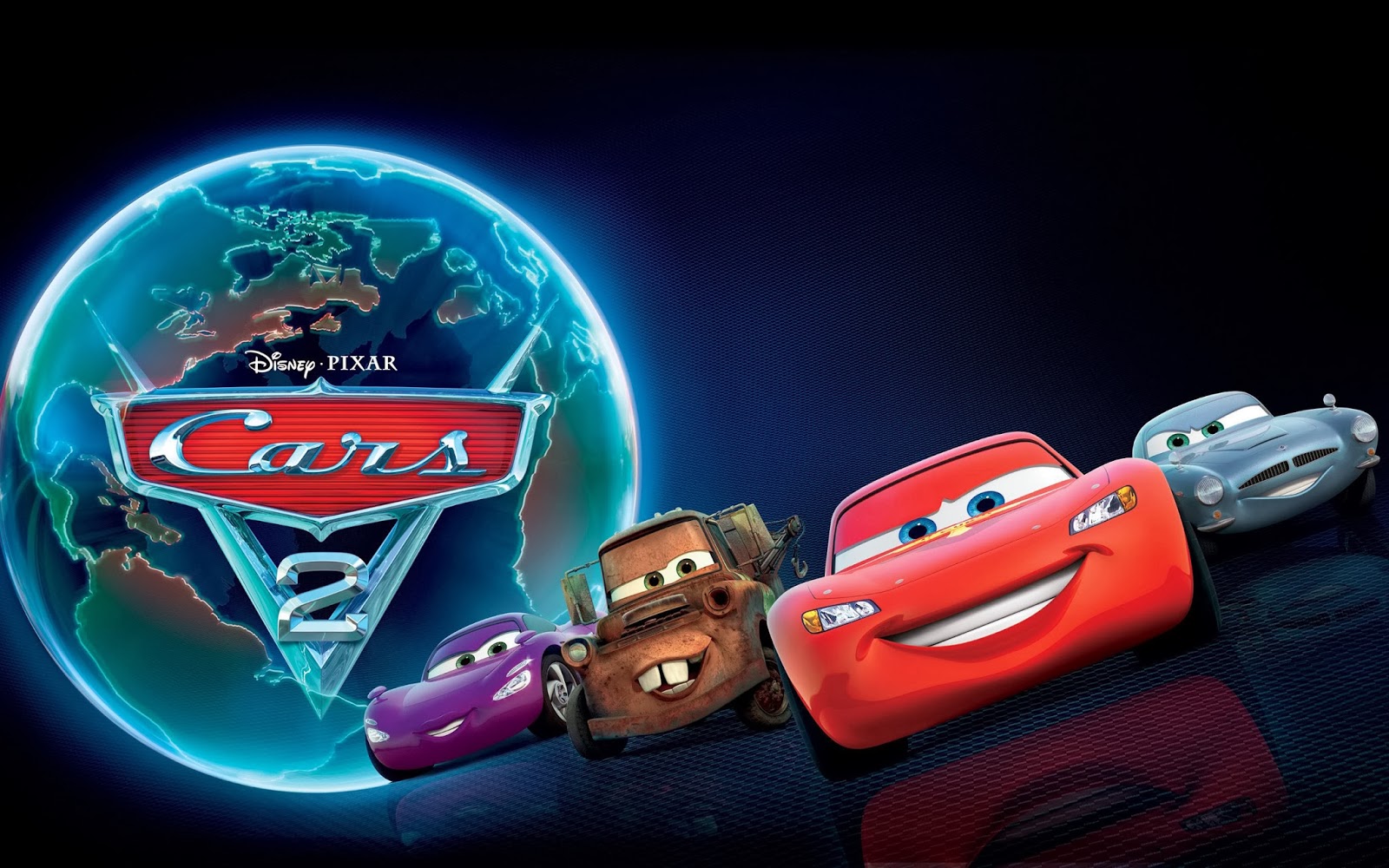 •Cars 2 (June 24)—Disney/Pixar has added more colorful, talking cars five years after the original family hit.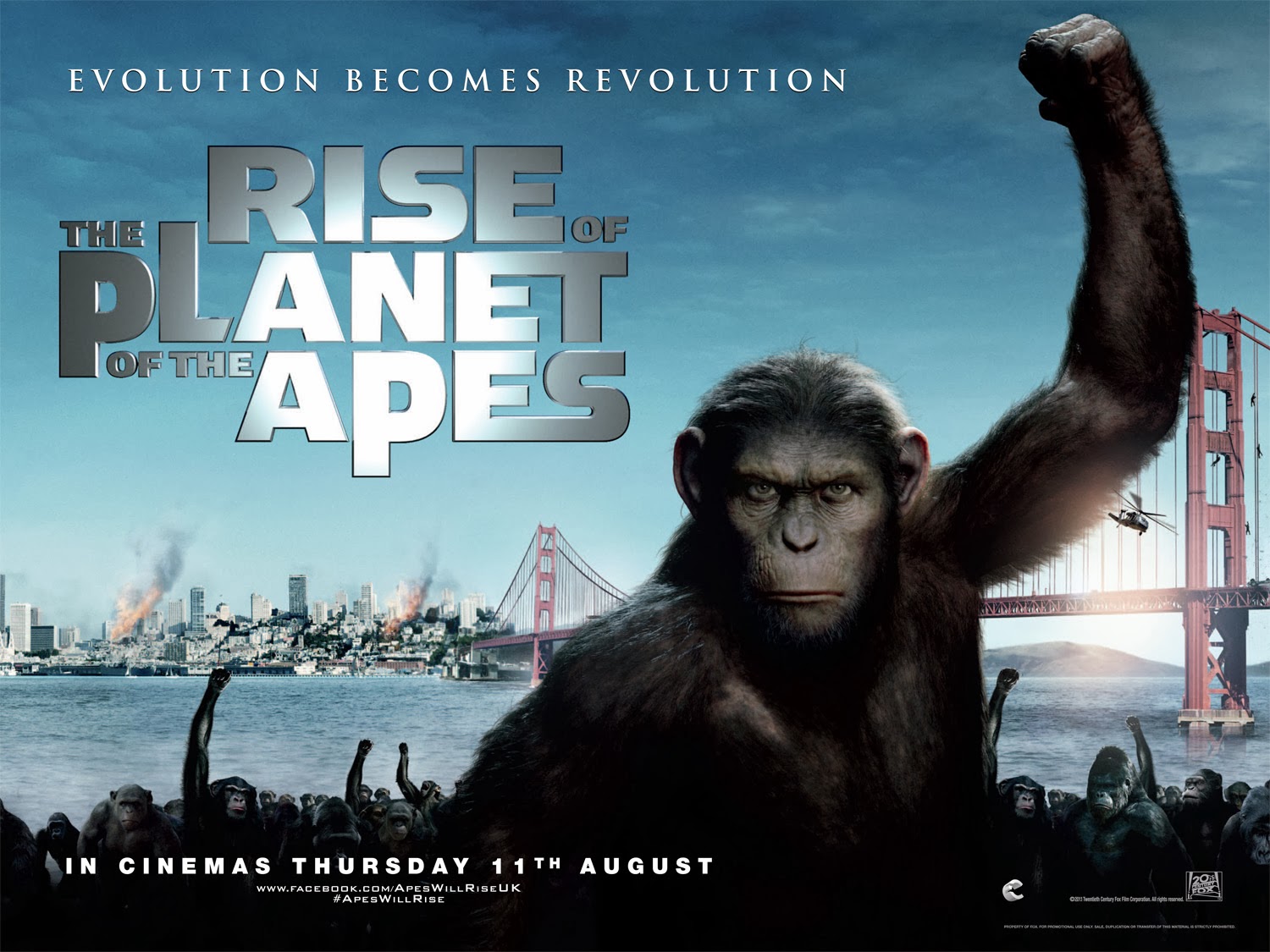
——————–
Here’s the new, but improved (?) Conan the Barbarian: https://www.youtube.com/watch?v=o1iJZIMddpM