
“Batman v Superman: Dawn of Justice” = spectacular effects, yes; classic superhero movie, no
 By Steve Crum
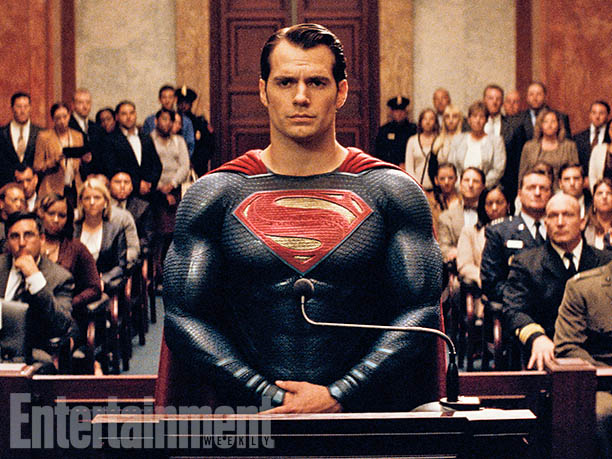
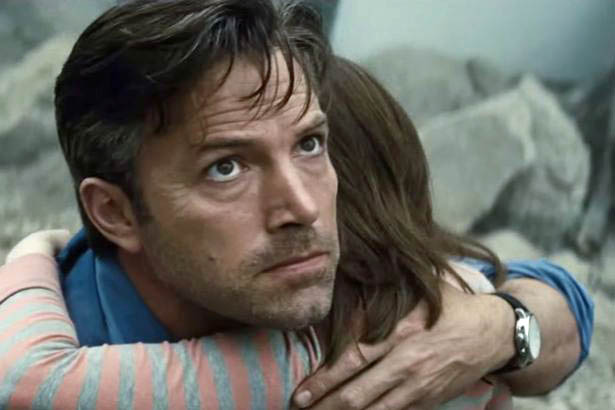 Ben Affleck is perfectly cast for a Batman/Bruce Wayne of this unsmiling and stoic nature since he already fits the mold, based on many of the movie characters he has portrayed. Adding Henry Cavill’s similarly stiff acting as Superman (originally playing him in 2013’s disappointing Man of Steel) gives the audience two robotic actors in superhero costumes that appear to be made of Goodyear rubber.
  Director-producer Zack Snyder is the DC superhero golden boy responsible for any kisses and hisses B v S will garner. Evidently Man of Steel box office was great enough for him to continue with another Superman saga. He is already in pre-production with next year’s Justice League: Part One, which will combine a Gold’s Gym of superheroes. Wonder Woman (Gal Gadot) has a major sequence in Batman v Superman: Dawn of Justice, and we glimpse Aquaman, Flash and Cyborg. These super beings will be better showcased, in addition to Superman, Batman and Wonder Woman, in 2017’s franchise installment.
  The running time of Batman v Superman: Dawn of Justice is a grueling 152 minutes. With most of the screen time devoted to Batman and Superman clobbering each other as well as the humongous creature called Doomsday, there is scant time to showcase the many fine actors who have been given seemingly key parts with little to say or do. Still, let us give them credit for their near cameos: Amy Adams as Lois Lane, Diane Lane (Martha Kent, Superman’s earth Ma), Laurence Fishbone (Perry White), and Holly Hunter as Senator Finch. Look for true cameos by real people playing themselves: Sen. Patrick Leahy, Charlie Rose, Neil deGrasse Tyson, Anderson Cooper, and others.
 As a positive, Jesse Eisenberg tears up the scenery with his take on the vicious Lex Luthor. Jeremy Irons’ Alfred (Bruce Wayne/Batman’s loyal butler) is a unique interpretation of that well known character. Hans Zimmer and Junkie XL’s bizarre score is a borderline plus.
 Hilarious ‘Hail, Caesar!’ requires multiple viewings to appreciate myriad jokes
 By Steve Crum
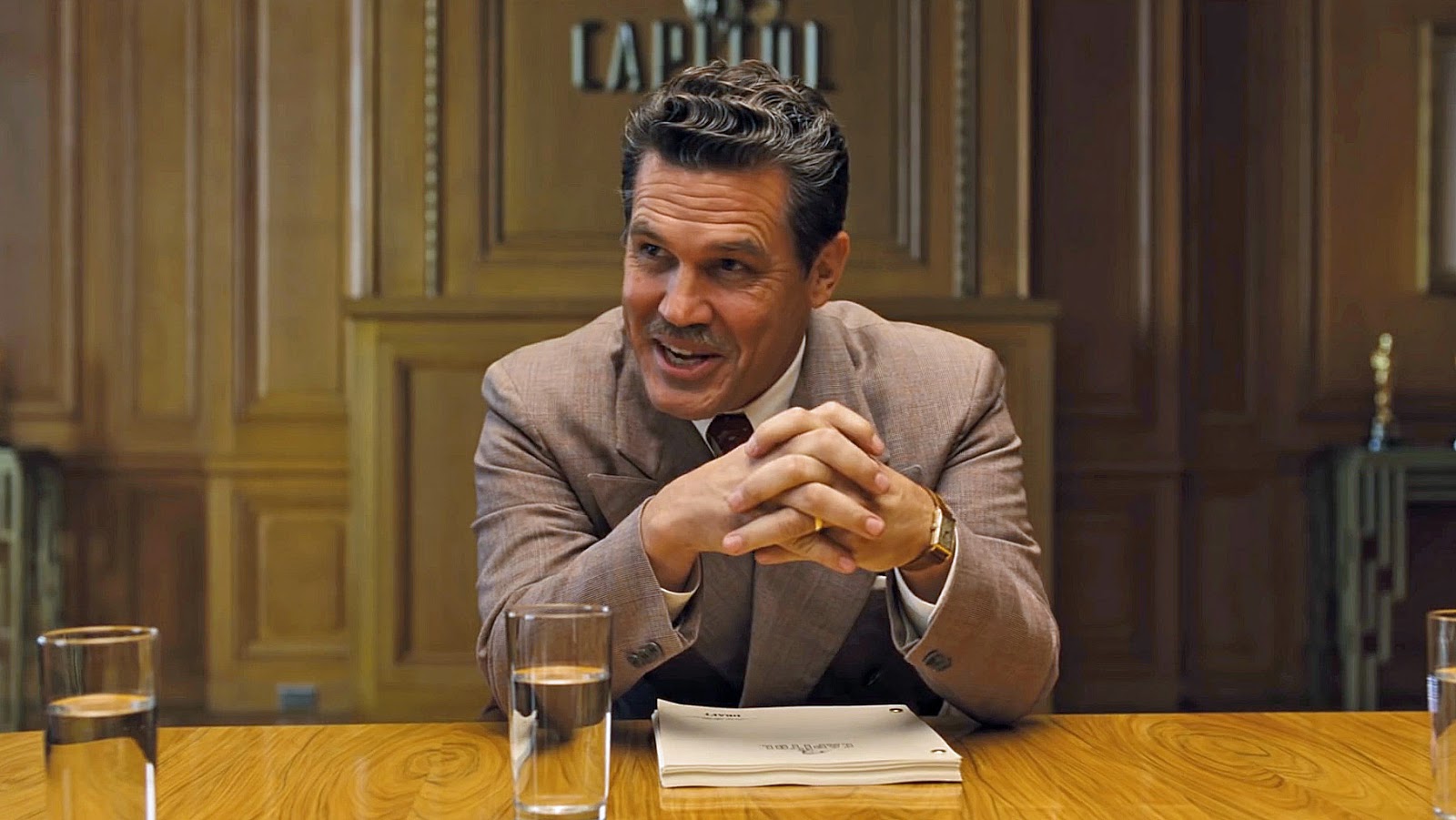 The bottom line premise involves Josh Brolin, well cast as studio “fixer” Eddie Mannix, whose job (“Head of Physical Production”) is to keep account of the studio’s actors as well as other production elements. An opening scene shows Mannix tracking down and rescuing a studio actress from what could have been a morality violation resulting in bad publicity. Of course, the studio would not have any of that. Mannix takes his work very seriously, which makes his very deadpan being even more hilarious.
 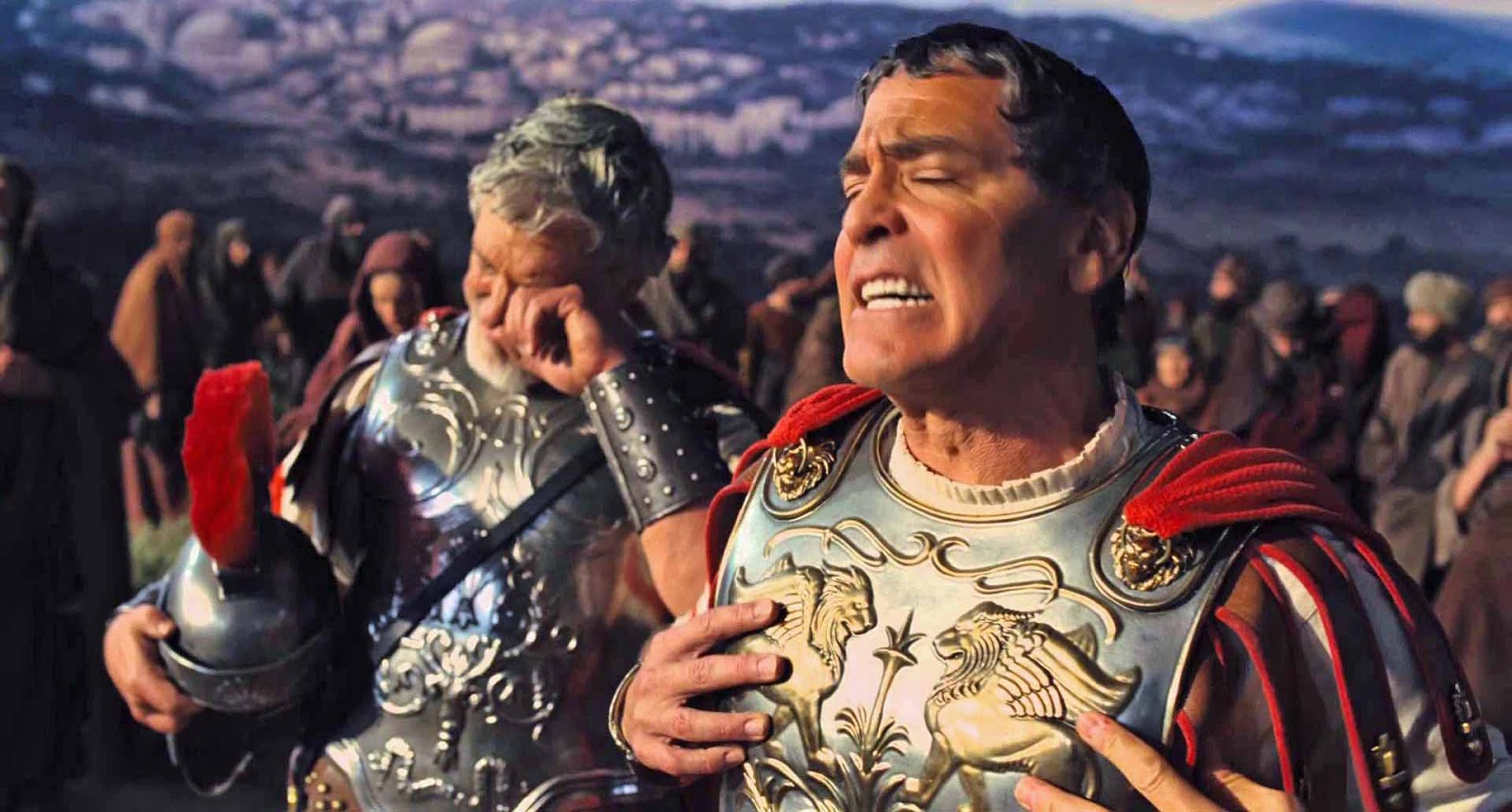 When star Baird Whitlock (George Clooney) is kidnapped between takes during a filming of a Biblical epic (Whitlock is a Roman officer), Mannix is once again on the trail. Make no mistake, his Mannix name clearly references the real life Eddie Mannix, who was also a studio “fixer.”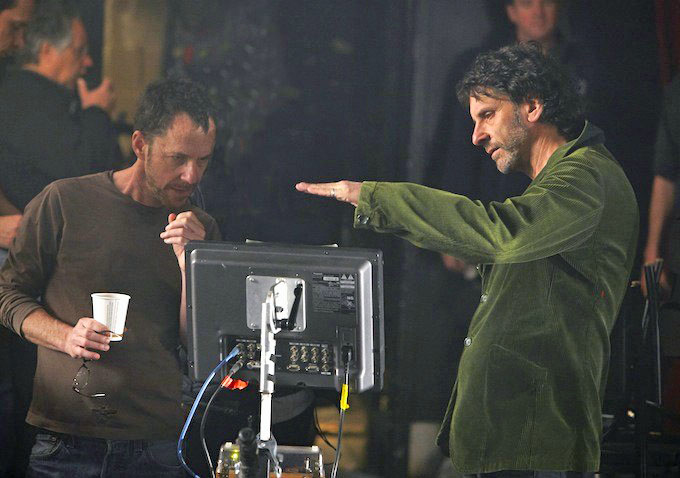

 Then there is THE highlight of Hail, Caesar!, featuring Channing Tatum, of all people. In a take on Gene Kelly singing and dancing in On the Town or Anchors Aweigh, Tatum’s Burt Gurney sings and acrobatically dances with a group of fellow sailors to the lively Carter Burwell tune, “No Dames.” That the sequence escalates to, well, flamboyance makes it even funnier.
Incidentally, there are enough references to assume MGM is the basis for Capitol Pictures.
 The Coens have laced Hail, Caesar! with enough visuals and double entendres that beg for multiple viewings to appreciate them all. Look for Dolph Lundgren as a submarine commander; overhead swim shots straight out of Busby Berkeley; Veronica Osorio suggesting Carmen Miranda; and the seldom seen lately Christopher Lambert. Frances McDormand has a choice slapstick bit as a cigarette smoking film editor. As a topper, Michael Gambon narrates this Coen opus.
 Adult cartoon ‘Anomalisa’ is typically insightful, bizarre Charlie Kaufman
 By Steve Crum


Once Michael is situated in his room, his loneliness and insecurity prompt a call to an old flame living nearby. Without getting into specifics, the two meet in the hotel bar only to realize why they previously broke up. Michael suffers even more. He should be rehearsing his speech for the next day, but matters of the heart and hormones dominate his thoughts and actions. Director-writer Kaufman takes us along on Michael’s journey of self satisfaction, from pondering his image in the bathroom mirror to shopping for an adult sex toy in a downtown store. He even hooks up with one of his fans, Lisa, voiced by Jennifer Jason Leigh. In addition, Michael has nightmarish fantasies.

‘The Revenant’ triumphs as realistic, gritty survival epic
 By Steve Crum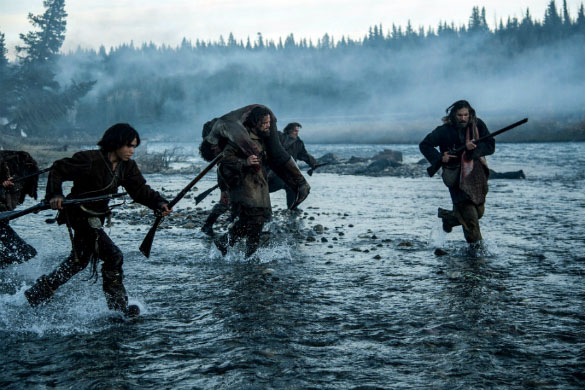
 By the time Glass is faced with survival, driven by revenge, he has experienced a Sar Ah (Native American tribe) attack and slaughter of his hunting party (they are hunting for pelts in the Louisiana Purchase wild) and then an unbelievably vicious bear mauling. Surely I am not spoiling the plot since that bear sequence is repeatedly shown in the trailer. Abandoned and left to die by Fitzgerald, Glass is on his own, crawling at first, fighting snow, more Indians (this time the Arikara), and starvation.
  A real plus of The Revenant is its expansive cinematography focusing on the gorgeous waterways, forests and mountains of the story’s setting of Montana and South Dakota circa 1823. Surprise, surprise. Actual filming was in 12 different locations encompassing three countries: the United States, Canada, and Argentina. Check out those repeated shots angled upward into the tall trees. Let’s give cinematographer Emmanuel Lubezki his due here.
 Don’t expect a passionate love story or even Leonardo batting a passing eye at some lady of the trail. This is a man’s man movie absent of romance—or even comedy. (OK, there is a tad of humor when Glass encounters a friendly Indian midway through.) Alert, however. There is a female-driven sequence that turns out to be a plot definer. Other than that, it is grit-on.
  It is also my choice for Best Picture Oscar of 2015, even though it is opening nationwide today. (The Revenant qualifies since it had limited openings late last year.) Add another Best Director Oscar honor for Iñárritu. And DiCaprio’s performance is Best Actor worthy. The Revenant is quite an achievement.
 Like its elderly characters, ‘Youth’ is slow-gaited but has rewarding moments
 By Steve Crum
 For central character Fred, a successful composer-conductor, coping with his depression takes some unique turns—from hand conducting cattle through a chorus of mooing on a hillside to soaking in an indoor pool with his pal Mick as they ogle a 20-something, nude Miss Universe who has chosen to join them at the pool’s opposite side.
  Early in the story, Fred is visited by an emissary of Queen Elizabeth who requests he conduct for her his beloved operatic composition, “Simple Songs,” but it is not to be. The real reason why he refuses is eventually disclosed, but it now appears Fred is bitter, antisocial, and solidly retired. His long time pal Mick, however, does want to perform again—and the sooner the better. He wants to direct a new film, and several writers have checked in at the resort to be a part. Two actors show up regarding the movie, Jimmy Tree (Paul Dano) and Brenda Morel, played by Jane Fonda in coarse, unflattering makeup. Fonda is pretty terrific as the outspoken actress.