
3D glasses on for ho-hum ‘Clash of the Titans’
By Steve Crum
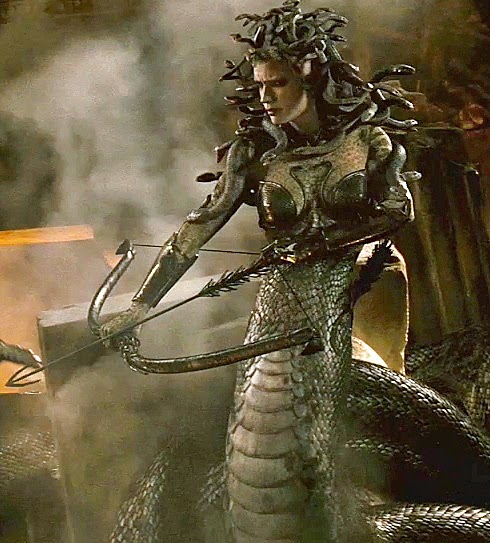
 Is this remake of Clash of the Titans really necessary? Nope, by Kraken. Sure it boasts 3D tech, along with a fresh cast and digitally moving creatures, whereas effects guru Ray Harryhausen’s 1981 effects were accomplished via the jerky, stop motion method. Yet this nearly three decades newer Clash disappoints in pacing, special effects and 3D. The special effects, with the exception of a pretty cool looking Pegasus, are obviously computerized to the extent most combat sequences are in close-up with the dreaded handheld camera look, which always seems a budgetary ploy to hide cheapness. The result is rapid, blurred movements that imply action more than deliver.

Worth 1,000 Words: Cowboy Superstar BUCK JONES rides the KC range
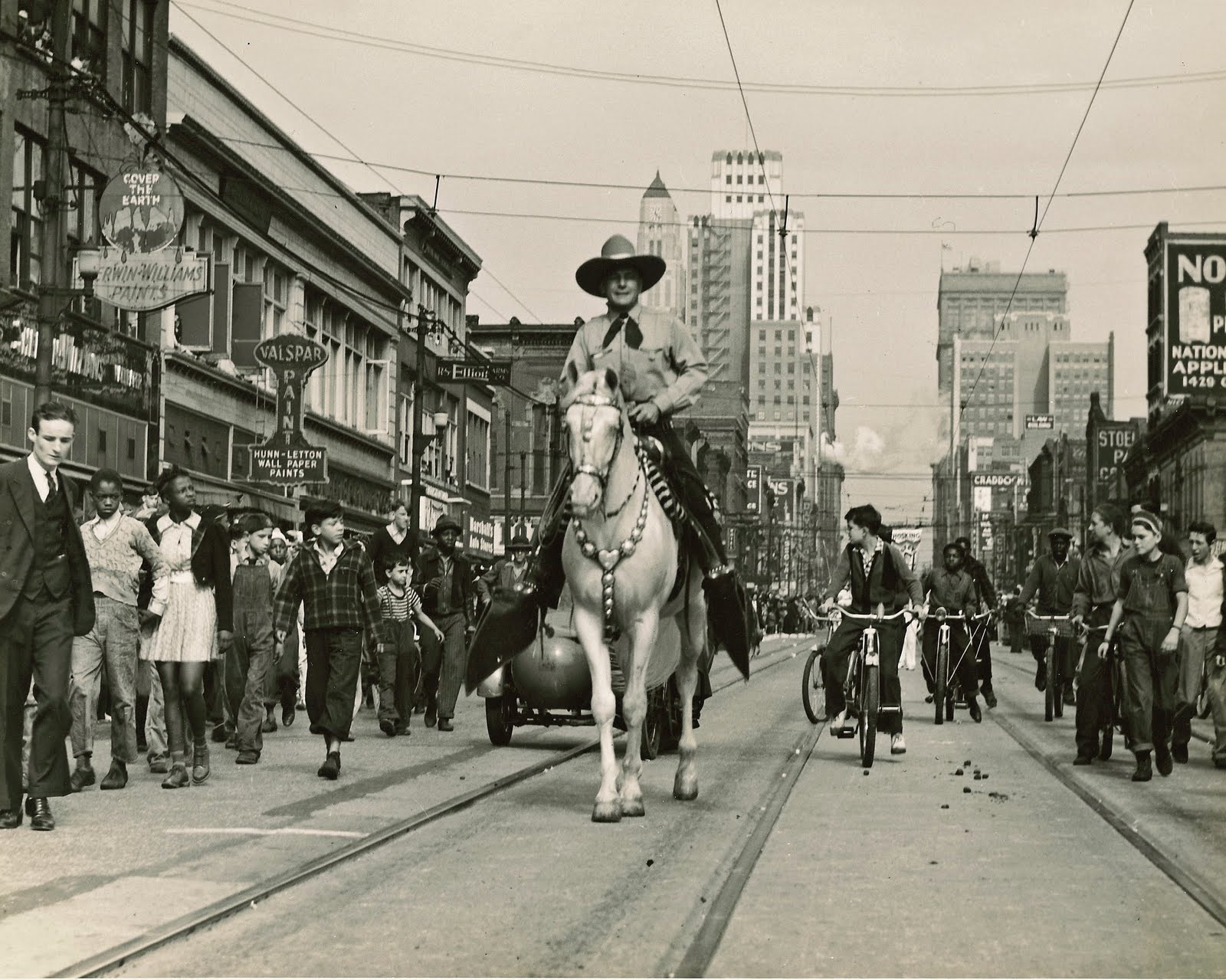 This unpublished photo of Buck Jones astride his steed Silver was taken during a visit to Kansas City, Mo. during the 1930s. Not much is known about the exact date and circumstances, but Buck was probably part of a parade. Judging by the long gone R. S. Elliott Arms Co. sign down the street on left, the location should be 15th and Grand Ave. It is interesting to see the streetcar tracks and overhead power lines. [from Steve Crum’s showbiz memorabilia collection]
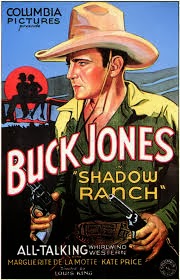
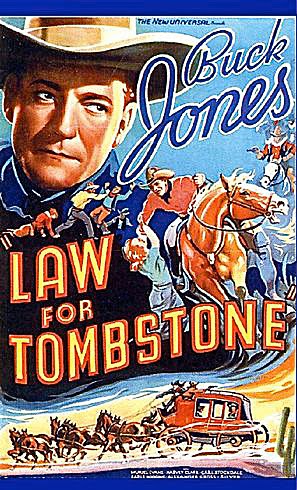 Then Buck Jones the cowboy emerged. He was working as a ranch hand in Bliss, Oklahoma when he met his future wife, “Dell,” who was an expert rider. Together, they joined a Wild West show and briefly toured. To make more money, Buck signed on at Universal Studios as a bit player and stuntman. Before long, his charisma, looks and horsemanship brought him his first starring role, in the 1920 silent, The Last Straw. Buck was soon among the top movie cowboys in popularity and money making, joining the ranks of Hoot Gibson, Tom Mix and Ken Maynard.
  Buck’s career tragically ended following 1942’s infamous Cocoanut Grove fire in Boston. Legend has it that Buck initially escaped and then went back in to rescue patrons. Historians now say he was merely one of those trapped behind doors that would not open among highly flammable surroundings. Buck and 241 others died.
Worth 1,000 Words: FESS PARKER’s DAVY CROCKETT

By Steve Crum
“Born on a mountain top in Tennessee” he was not, yet FESS PARKER, who died yesterday at age 85, will forever be DAVY CROCKETT, the frontiersman, congressman, and legendary hero of the Alamo. Thanks to Walt Disney and the millions of children who watched Davy Crockett and his adventures on TV beginning in 1954, Fess Parker (Aug. 16, 1924 in Ft. Worth, Texas-March 18, 2010) is THE coonskin hat wearer of all time.
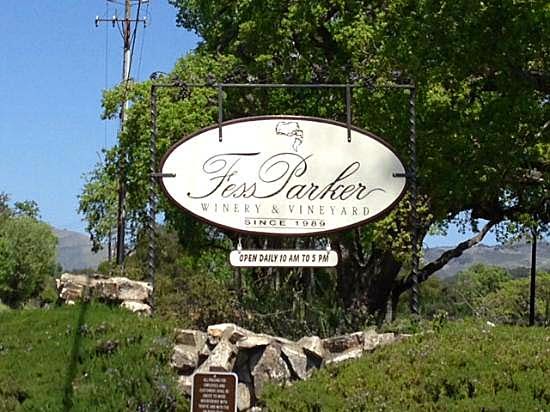 Still under contract to Disney, Fess Parker starred in The Great Locomotive Chase, Old Yeller, and Westward Ho! The Wagons. Post-Disney, Parker starred in the short lived series, Mr. Smith Goes to Washington. Typecast as a frontiersman, Parker signed with NBC-TV for the series, Daniel Boone. From 1964-70, Fess Parker wore the moccasins, fringe leather, and cookskin cap once again. Before retiring from acting, Parker turned down the role of modern lawman cowboy McCloud. Instead, Dennis Weaver successfully took the role. Soon after, Parker opened the Fess Parker Family Winery & Vineyards in Los Olivos, California. His logo on the award winning wines produced under his name: “The Golden Coonskin Hat.” Fess Parker died of natural causes on his wife’s 84th birthday.
 ——————-
Worth 1,000 Words: AL JOLSON & WILLIE RITCHIE

WHAT A KNOCKOUT PHOTO! Sitting in a 1920’s (or earlier) touring car are The World’s Greatest Entertainer, AL JOLSON (May 26. 1886-Oct. 23, 1950), alongside The World’s Lightweight Boxing Champion, WILLIE RITCHIE (Feb. 13, 1891-March 24, 1975). Someone has written their names in white ink on the photo. The vintage photograph, stamped on the back by the Laval Co. Inc. Commercial Photography of Fresno, CA, is rich in personalities depicted, but weak on any specific information as to the year, location and circumstances under which it was taken. [from Steve Crum’s collection]
 Ritchie’s birth name, Gerhardt Anthony Steffan, was changed to hide the fact from his mother that he had taken up boxing. He began his boxing career in 1907, and eventually became the World’s Lightweight Champ (1912-14). He retired from boxing in 1927, the same year Jolson’s heralded talkie, The Jazz Singer, premiered. Willie Ritchie was inducted into the Boxing Hall of Fame in 1962.