
O’Connor: the song and dance ends
Following Michael Jackson’s recent death, many tributes noted his dance expertise. Among a handful of all-time great dancers who preceded Michael is Donald O’Connor. When O’Connor died six years ago, I wrote a loving tribute to him in The Kansas City Kansan newspaper, reprinted below. O’Connor could act, sing and tell jokes for sure, but it was dancing that made him special.
 Think about the most famous dance number in movie history, and Gene Kelly’s splashy Singin’ in the Rain from the musical of like title is immediately visualized. The next most known movie dance number? Certainly Fred Astaire, arguably film’s greatest dancer, had dozens of brilliant set pieces.
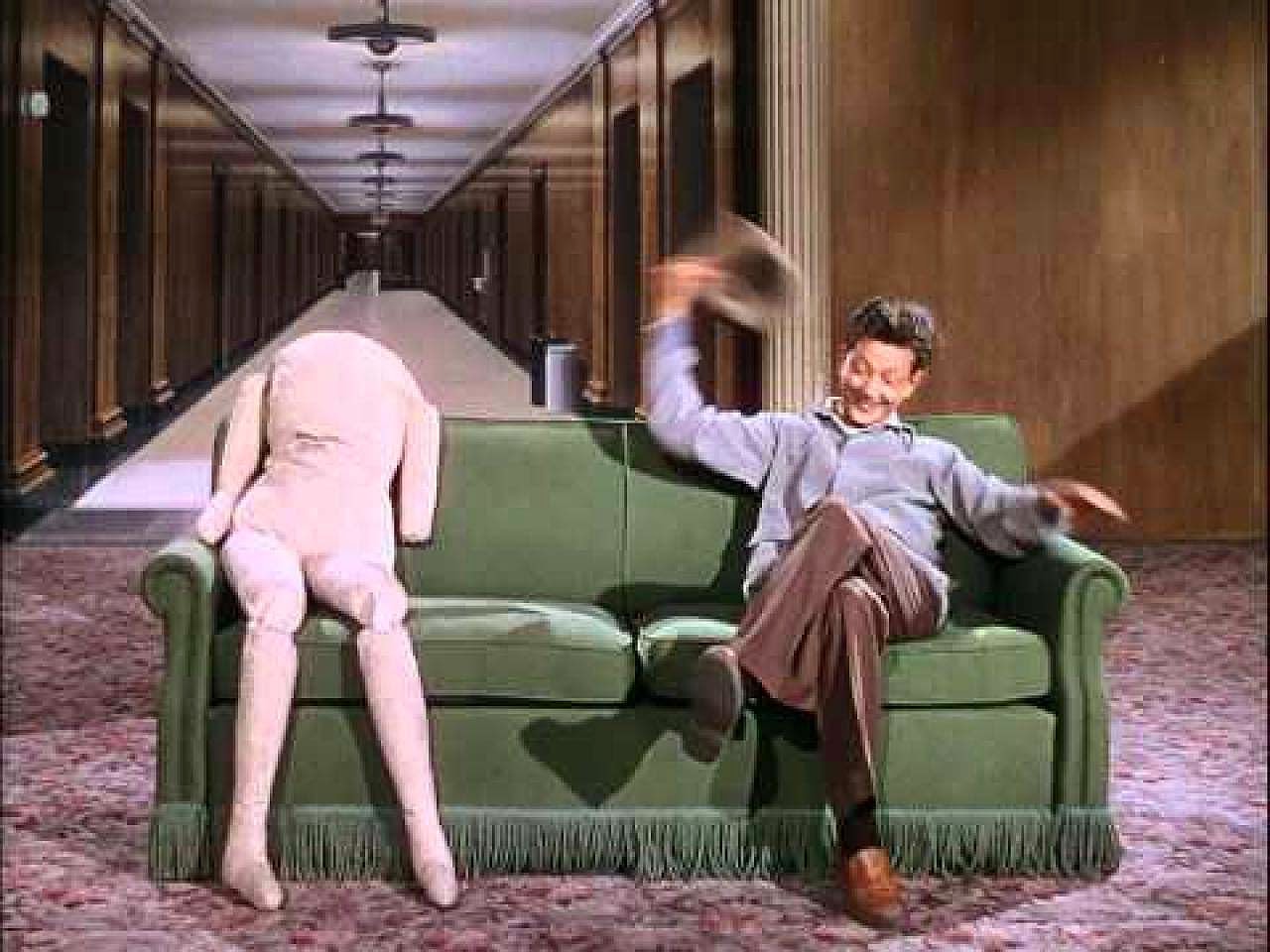 Film critic Roger Ebert recently wrote of O’Connor’s appearance earlier this year at a University of Illinois showing of Singin’ in the Rain. No surprise that Make ‘Em Laugh still astounded and entertained. A young girl asked O’Connor how he ran up that wall. His deadpan reply: “Experience.” O’Connor spent three days in bed recuperating after the sequence was filmed. Fellow cast member Debbie Reynolds said he was undoubtedly covered in bruises.
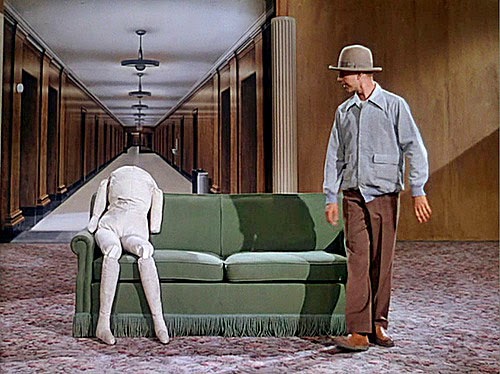 Like his vaudevillian parents, Donald O’Connor was always the show-must-go-on trouper. He considered himself a song and dance man throughout his career despite numerous awards and star status. Among those awards was an Emmy back in TV’s truly goldie-oldie days for his star stint on 1954’s Colgate Comedy Hour. That is primarily the reason for his two Hollywood Walk of Fame stars: TV and motion pictures. Although O’Connor danced, sang, and acted on TV through 1983 in guest spots on Frasier, Murder She Wrote and others, he is best showcased in movies. Singin’ in the Rain brought him the Golden Globe as Best Motion Picture Actor in a Musical-Comedy, beating out Gene Kelly. Other career highlights include an 11 year-old Donald singing Small Fry with Bing Crosby in 1937’s Sing You Sinners, and the next year portraying Gary Cooper’s title character as a child in Beau Geste.
Before Michael, Forest Lawn was stars’ final rest stop
By Steve Crum
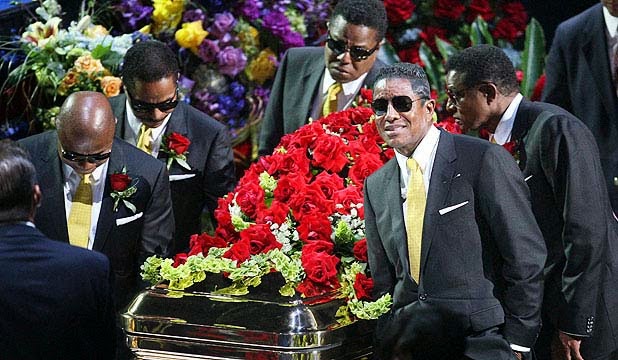 At this writing, it is unknown exactly where Michael Jackson will be buried. Or entombed. If he is taken, at least temporarily, to one of the Forest Lawn Cemeteries (there are several in the funeral franchise), it will likely be (rumor alert) either the Forest Lawn Glendale or Forest Lawn Hollywood Hills. (Could be that Michael will eventually be entombed at Neverland, which would become a West Coast Graceland. Again, speculation.)


IT’S CRUMMY TRIVIA TIME…with CECIL B. DEMILLE!

By Steve Crum
CECIL B. DEMILLE [1881-1959], the great director, producer, host of radio’s Lux Radio Theater and screenwriter, is generally considered the man who made Hollywood the film capital of the world. Although he is identified with movie spectacles like The Greatest Show on Earth, The Ten Commandments and Union Pacific, DeMille began as a Broadway actor in 1900.
Cantinflas is half the reason to celebrate ‘Around the World’
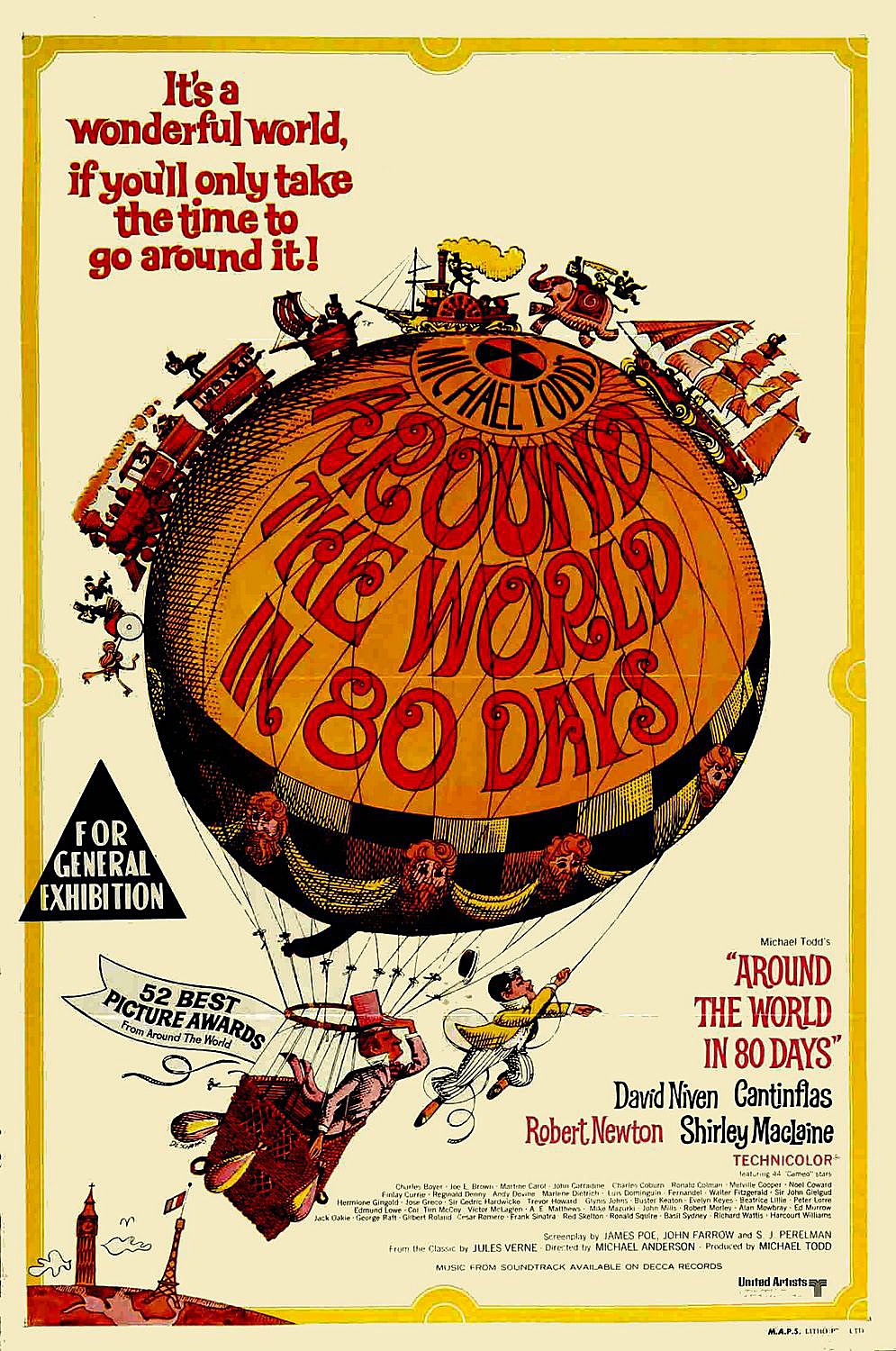 At long last, in 2004, ‘Around the World in 80 Days’ was released on DVD in all its wide screen splendor. Like so many classic films that have been subject to deterioration and neglect, this fillm was revived, refreshed, and saved. The gorgeous scenery, the fun Jules Verne tale, the dozens of movie stars, and of course Cantinflas will forever be entertaining us. If you have not watched the flick before, or if it’s been a while, I hope my review [published Oct. 16, 2004] will encourage you to partake.
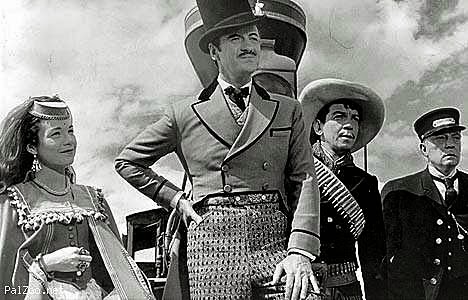 Is it because producer Mike Todd’s widow, Elizabeth Taylor, legally held up the release of this gem for these many years? Were all original prints considered either lost or destroyed? Worry not, the classic spectacular Around the World in 80 Days (Warner Brothers, around $30) has arrived. The audio and video elements are gorgeous, and the extra features are mouth watering. Any liner note complaint I have about this fabulous two disc special edition DVD is comparatively minute, considering all the pluses.
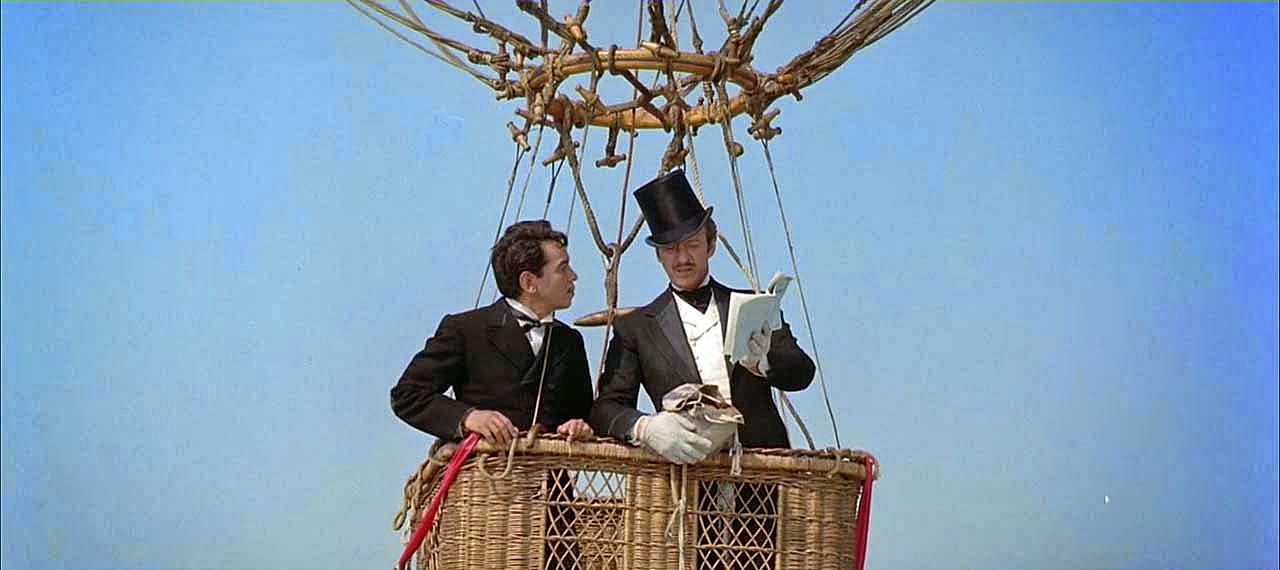 By the way, an amazing thing about this film is the casting of Cantinflas as a Frenchman. At no time is his Spanish accent disguised. Yet the role fits him perfectly. Go figure. In fact, Cantinflas is half responsible for making Around the World in 80 Days a successful movie. He is immensely fun to watch.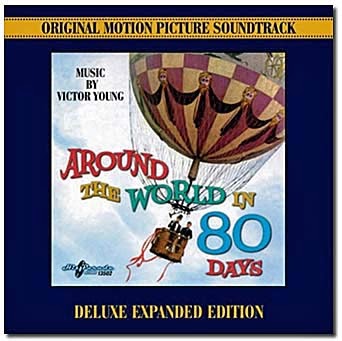
Edie Adams was more than a Deep Fried Twinkie
 By Steve Crum
Originally published Sept. 15, 2004, the following interview with the vibrant and chatty Edie Adams is a high point of my life. I called Edie at her home in Los Angeles, and immediately found her to be friendly, funny, and talkative. It was 30 minutes into our conversation before I finally got a question in. One question I asked that did not make the final cut was, “Do you think if Ernie had lived, he would have co-starred with you in ‘It’s a Mad, Mad, Mad, Mad World’?” Her answer was brief without conjecture: “I don’t know.” I met her in person a week or so later at the Buster Keaton Celebration in Iola, Ks., where Edie was special guest in honor of her late husband, Ernie Kovacs. She chuckled throughout the surprise finale: a live performance in full gorilla mask costumes by The Nairobi Trio [made famous by Ernie on numerous TV shows]. Edie died almost exactly four years later on Oct. 15, 2008 at age 81 from complications of cancer and pneumonia.
 When Edie Adams talks about Ernie Kovacs her stories are so fresh, so today. Yet they are past tense, some 42 years after the legendary comedian’s death. Edie realizes decades have gone by. “Forty-two years?” She politely corrects me. “It’s been longer than that.” It must seem so to Edie, but the numbers stand. It was on Jan. 13, 1962 when Ernie, driving alone, wrapped his Corvair around a utility pole.
 Edie fondly talks–and frequently chuckles–about her Mad World co-stars Phil Silvers pulling pranks on a scene-stealing Milton Berle, and Jonathan Winters. “Ethel Merman was intimidated by Jonathan,” Edie recalls. “This loud, blustery Broadway legend was totally soft spoken around Jonathan (off camera), and would leave the area when Jonathan was coming near.”
For example, she explained that Jonathan Winters seldom sat around with other cast members outside in the heat when they were taking a break in filming on location in the desert near Palm Springs. Instead, he stayed in his air conditioned trailer. Edie and several other actors, including Ethel Merman, would wait between scenes in their chairs. One day they set Ethel up by excitedly telling her, “Here comes Jonathan!” Ethel literally got up and scurried away. Jonathan was still in his trailer, and everyone had a good laugh at Ethel’s expense. By that time, Merman was long gone in hiding. Edie said Ethel did not understand Winters’ humor, and thought him deranged.
 The shy Pennsylvania girl raised by “strict Hessian parents” hit big time in show business, despite a controlling mother who advised her daughter to seek nothing more than to “sing a pretty song and wear a pretty dress.” Of course her mother never intended that after graduating from the proper Juilliard School of Music and the Columbia School of Drama that Edie would carry that adage to Broadway in Wonderful Town (1953) and Li’l Abner (1956). Or that she would marry a mad Hungarian named Kovacs and become a household name performing comedy impressions of Marilyn Monroe and singing.
Edie and Ernie parody it up in this opera take-off: http://www.youtube.com/watch?v=rarkvZ4Cc0A