
Worth 1,000 Words: EDDIE CANTOR & DINAH SHORE

By Steve Crum
This NBC-Radio gag publicity photo features EDDIE CANTOR with his protege and singer DINAH SHORE. Evidently, as they would have us believe, the piano keyboard cover has been slammed on Eddie’s hands as Dinah feigns shock mixed with amusement. Probably photographed between 1940 and 1943, when Dinah was the female singer on Cantor’s weekly “Time to Smile” radio show, it is a unique posing to say the least. Cantor had “discovered” Shore on NBC-radio’s “The Chamber Music Society of Lower Basin Street,” and then signed her to his program. Stage techniques Cantor then taught her on his show were carried on by Shore for the rest of her long career. [from Steve Crum’s show biz memorabilia collection]
——————–
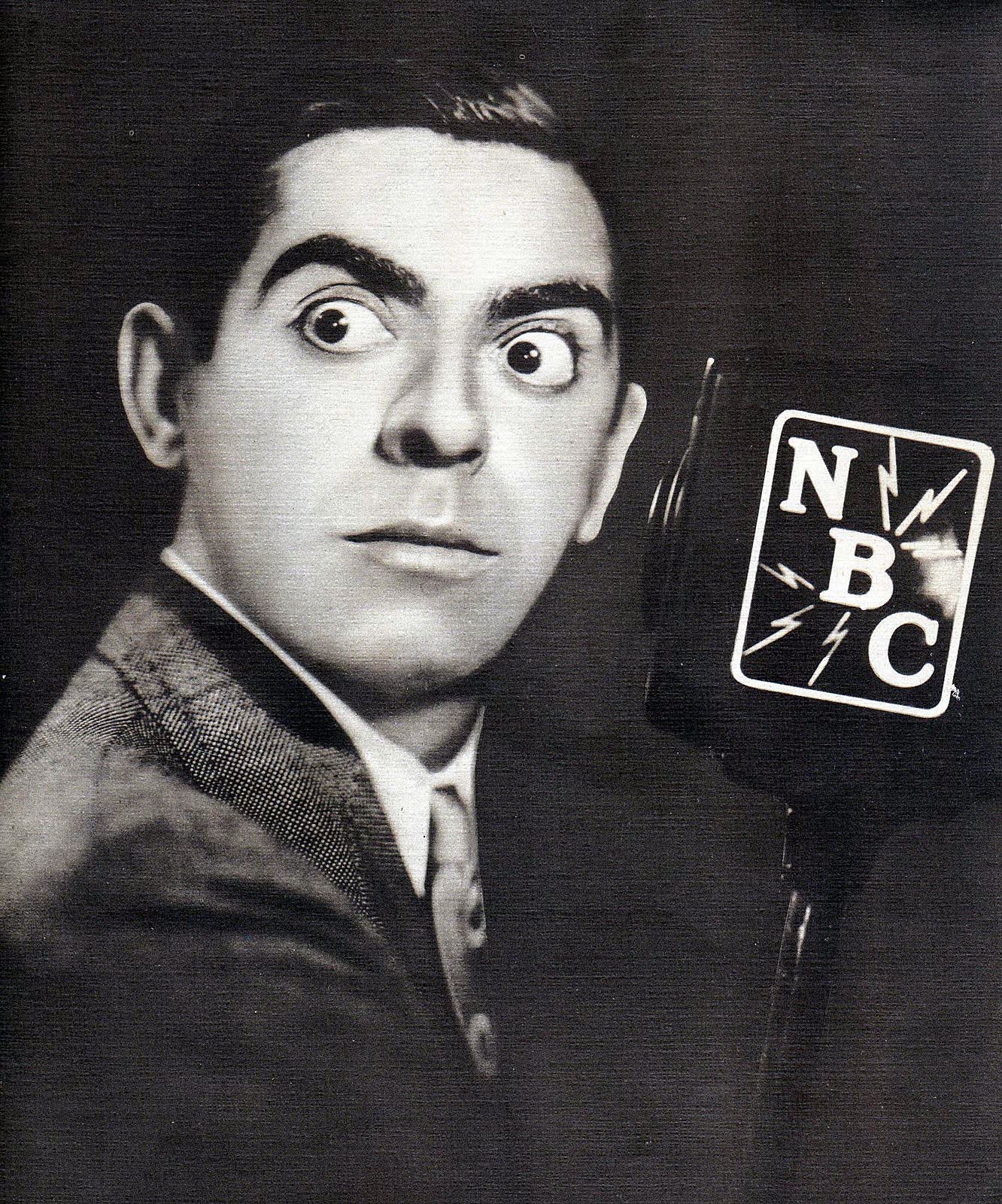 “The Apostle of Pep” and “Banjo Eyes” were two nicknames given to EDDIE CANTOR, and which he embraced, during a career that enveloped vaudeville, Broadway, radio, records, motion pictures and TV. Cantor, born Edward Israel Iskowitz [Jan. 31, 1892-Oct. 10, 1964], was a dean of show business, talented as a comedian, singer, dancer, actor, composer, and author. He is considered a close runner-up to Al Jolson as one of the greatest entertainers of all time. Cantor was a sensation in radio (#1 in ratings), Broadway (#1 attraction of the Ziegfeld Follies), and movies (#1 box office in Samuel Goldwyn musicals like Whoopee!). He was also an outspoken political progressive, which at one time cost him a radio program.
 Some of Dinah’s biggest hits were Blues in the Night, I’ll Walk Alone, The Last Time I Saw Paris, and You’d Be So Nice to Come Home To. Her weekly singing of her sponsor’s signature song, See the USA in Your Chevrolet (followed by her pronounced, thrown kiss to the audience) is probably better remembered than her commercial recordings. She also appeared in several movies, including Up in Arms (1944) with Danny Kaye.
 “See the USA in your Chevrolet…” Here, let DINAH SHORE sing it: https://www.youtube.com/watch?v=jQ5tKh0aBDc
Worth 1,000 Words: MONTE HALE, ROCKY LANE & ROY ROGERS

By Steve Crum
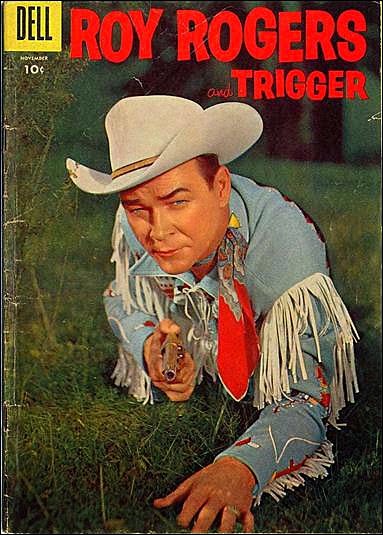 Not only do you get three super cowboys for the price of one in 1950’s Republic B-western, TRAIL OF ROBIN HOOD, but you get double that…triple that! Yep, pardners, the budget was sky high for this Christmas release of nearly 60 years ago. The plot of the ROY ROGERS vehicle involves “The King of the Cowboys” on the lookout for **gulp** Christmas tree thieves. They are hell bent on a green monopoly by absconding with JACK HOLT’S grade-A quality pines and firs. Riding into town to help drive the Christmas trees to market, as well as beat up the thieves, are Republic Pictures cowboys REX ALLEN, TOM KEENE, WILLIAM FARNUM (actually he was a cowboy star in silent films), KERMIT MAYARD, GEORGE CHESEBRO (who plays bad guys, but is good this time around), MONTE HALE, ROCKY LANE, CRASH CORRIGAN, and TOM TYLER. Roy sings “Every Day is Christmas in the West.”
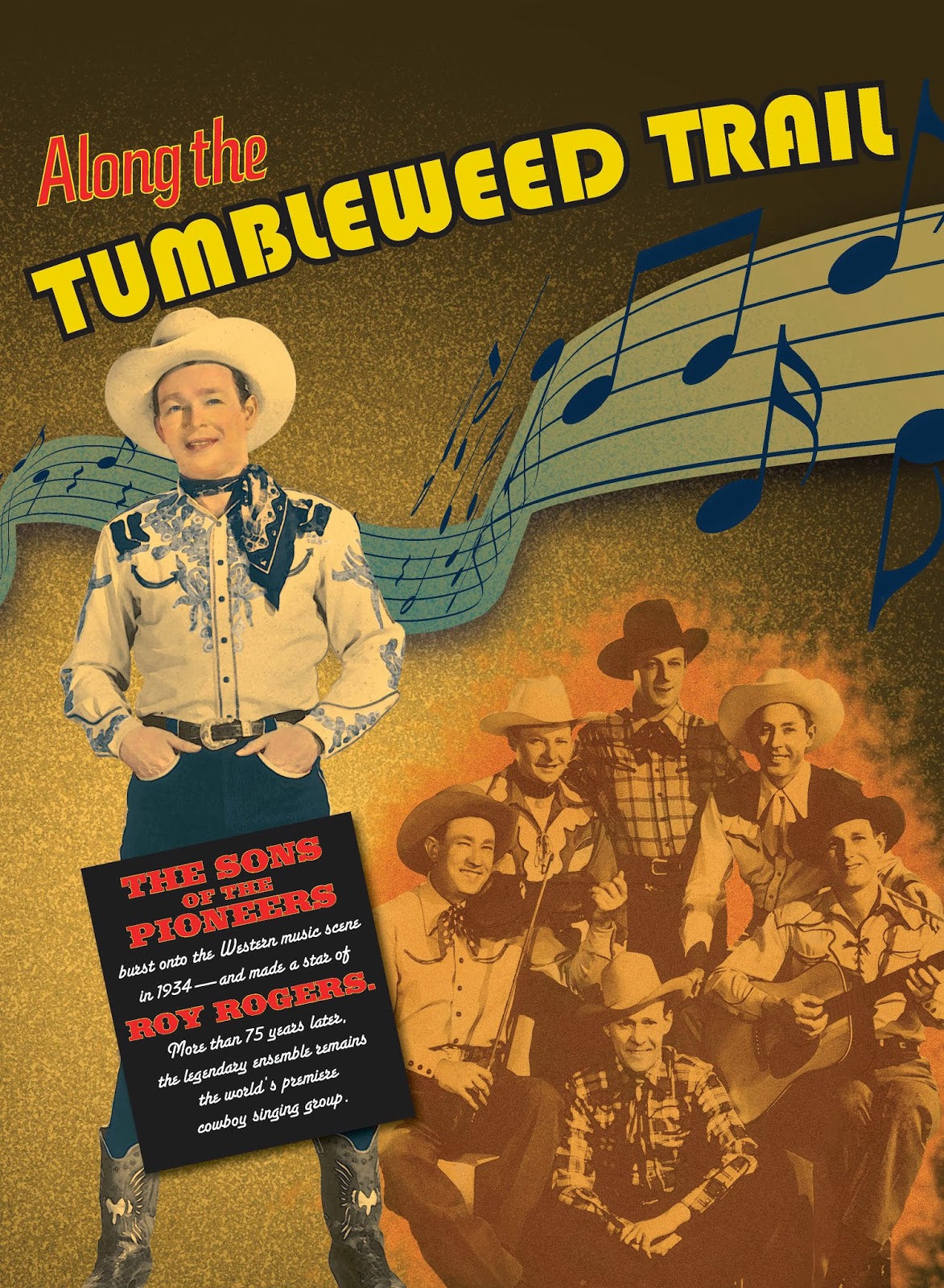 Roy was always surrounded with the best of the best sidekicks, heroines, and musicians West of the Pecos, including Dale Evans (his wife and frequent leading lady), Gabby Hayes, Smiley Burnette, Pat Brady, Andy Devine, The Sons of the Pioneers, The Riders of the Purple Sage, Bullet, Nellybelle, and Trigger.
Worth 1,000 Words: CLIFF ARQUETTE as CHARLEY WEAVER
By Steve Crum CLIFF ARQUETTE’S show business career was, by his choice, pretty much over by 1956. He chose to retire at that time after decades as an entertainer. In the beginning, he played piano in night clubs, and then in a dance orchestra. He worked in theatre and movies as a musician and comedian, sometimes dressing in funny costumes and makeup for effect. In radio, he was a literal one-man show. While making a living in radio in Chicago, he once did 13 live radio programs at different stations each and every day, shuttling from one studio across town to another.
 Charley Weaver was resurrected. Arquette rarely appeared except as Charley, including his guest stints on many TV shows, including The Tonight Show with Johnny Carson, The Steve Allen Show, and his popular work on The Hollywood Squares, in which he occupied the bottom left square. Arquette did appear in syrup commercials as Mrs. Butterworth, speaking in a falsetto voice, wearing a matronly dress, but still sporting his mustache.
  In the introduction to Charley Weaver’s Letters from Mama, Jack Paar discussed “the wild old man from Mt. Idy.” An excerpt: “Sometimes his jokes are old, and I live in the constant fear that the audience will beat him to the punch line, but they never have. And I suspect that if they ever do, he will rewrite the ending on the spot. I would not like to say that all his jokes are old, although some have been found to be carved in stone. What I want to say is that in a free-for-all ad lib session, Charley Weaver has and will beat the fastest gun alive. Charley Weaver has done more for the success of the ‘Tonight’ show than anyone who was ever on it. He is my ‘wild old man,’ and it’s understandable, when you realize that before every show he rinses his jockey shorts in turpentine. Nobody will ever catch him.”
The rather hairless looking 1947 ABC-Radio publicity portrait of CLIFF ARQUETTE (shown right), sans Charley Weaver, describes Arquette as “…The comedian known for his characterizations of elderly men and women, is starred in a new ABC comedy series, Point Sublime, based on the adventures of general store keeper Arquette in Point Sublime, California. Arquette is helped into and out of his predicaments by his side kick, Mel Blanc. Mondays, 8 p.m., EST.” Arquette was a fixture on the radio series from its 1940 beginning on NBC. After it trasnferred to the Mutual Network in 1944, ABC picked it up on Oct. 6, 1947. It then left the air after its first season. [from Steve Crum’s show biz memorabilia collection]
Mediocre ‘Other Guys’ features Ferrell in cop parody
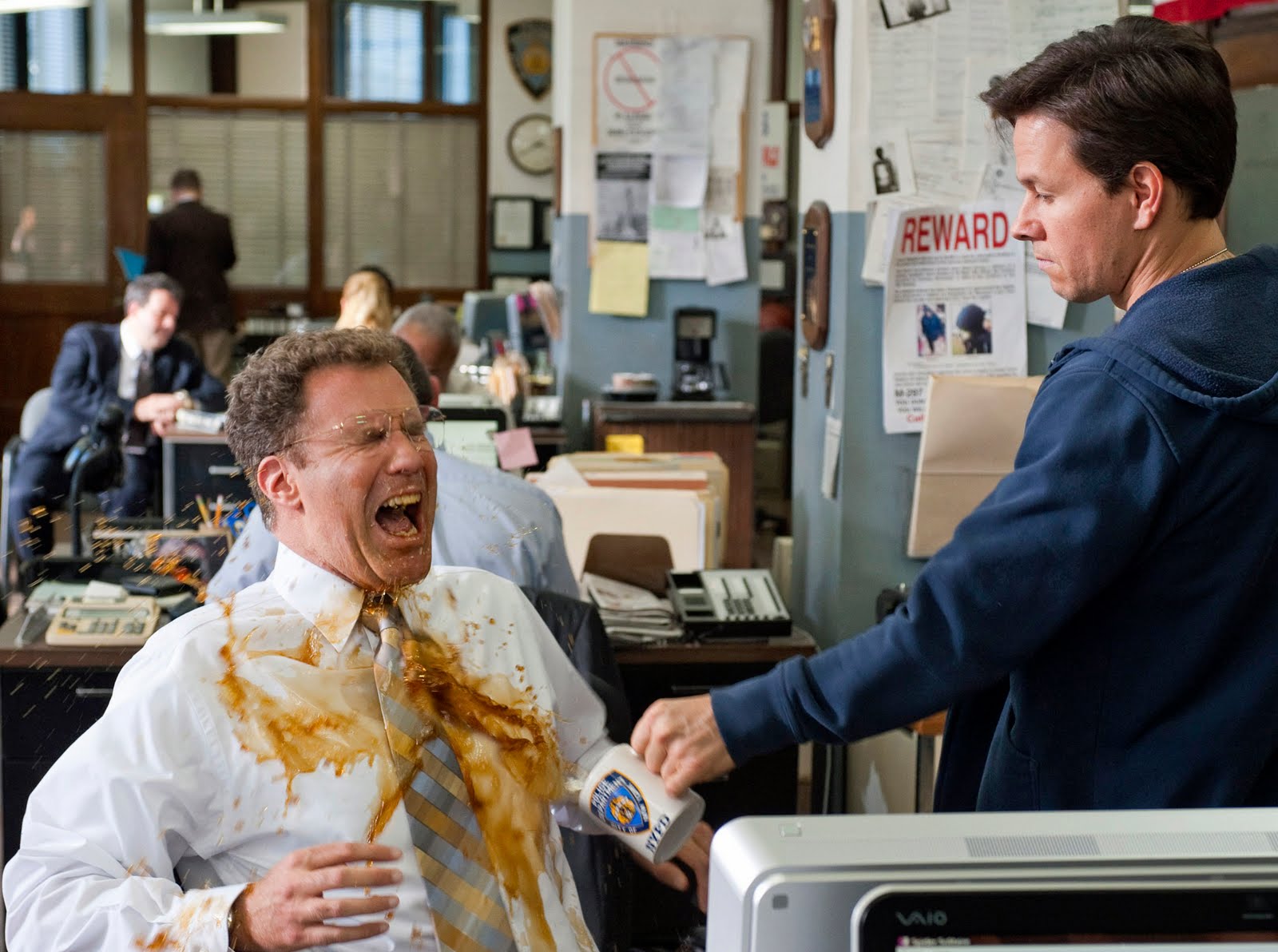

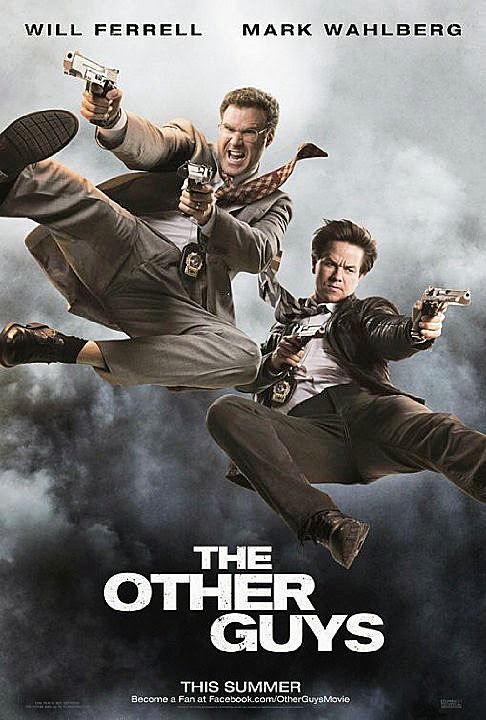 Ferrell’s forte, in fact, is the overextended joke or shtick. Do the gag, lace it with outrageousness (like pulling down or off your pants), get the shock value laugh, and…keep on with it, wringing the laugh empty. His humor is of the adult child, often given to the “I hit you last” or “I know you are, but what am I” variety, as in Step Brothers.
 Worth 1,000 Words: SID CAESAR & IMOGENE COCA
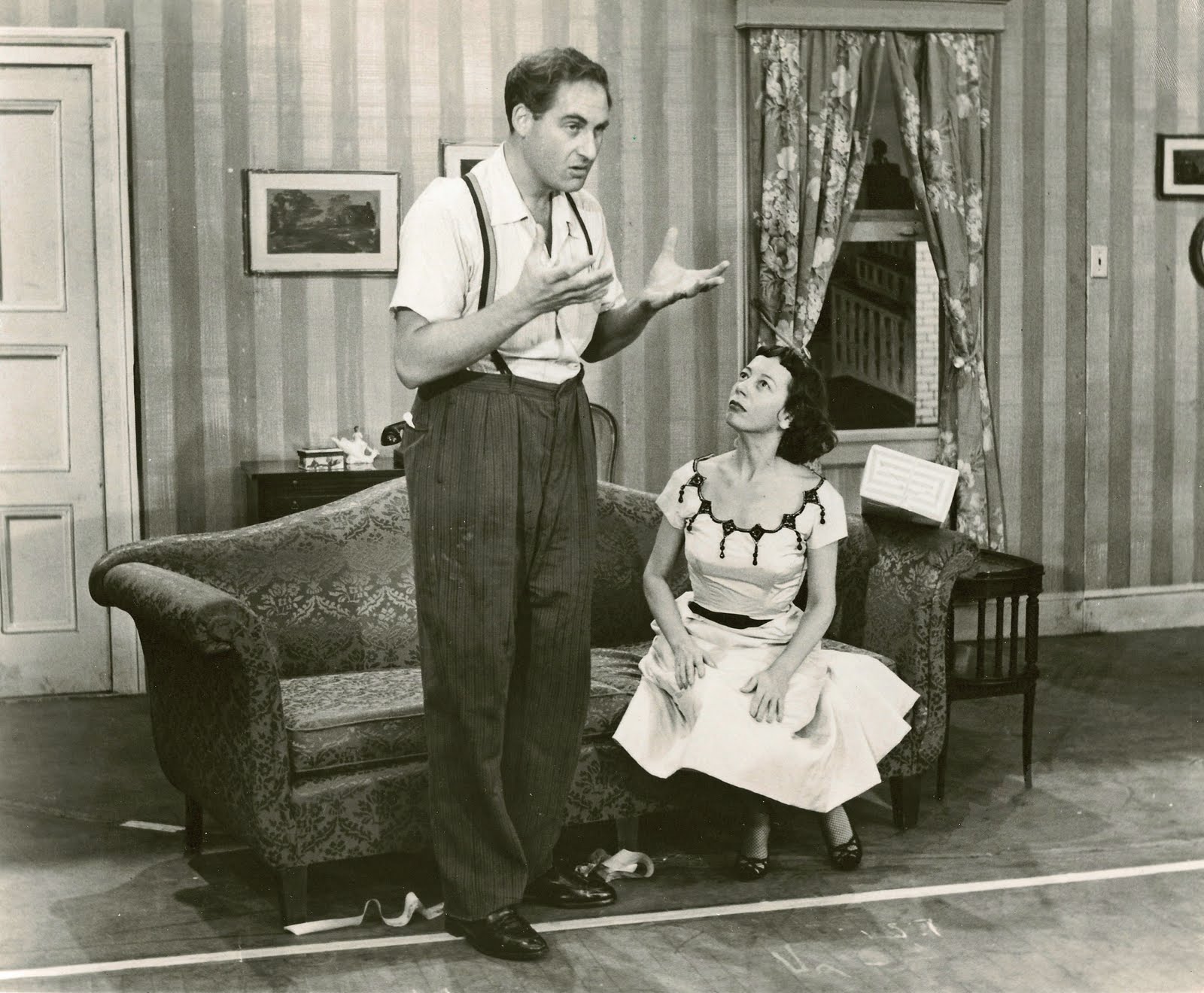
By Steve Crum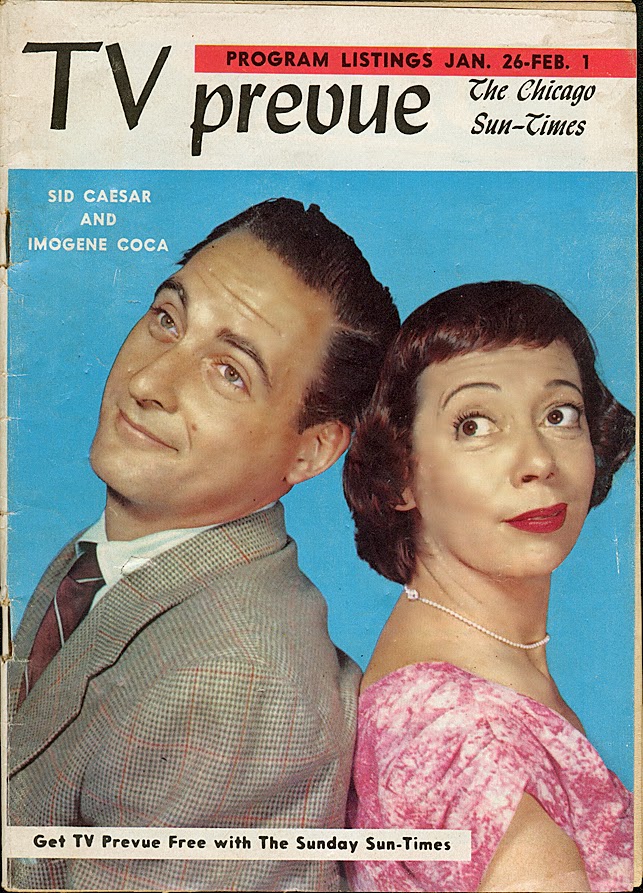 Sixty years ago, NBC-TV could have opened each program with “Live, from New York, it’s…!” Except this was two and a half decades before Saturday Night Live. The referenced program is Your Show of Shows, which ran 160 hilarious, innovative, and ground-breaking episodes for 90 minutes each Saturday night, Feb. 25, 1950-June 5, 1954. Created by Sigourney Weaver’s dad, Sylvester “Pat” Weaver, Your Show of Shows starred Sid Caesar and Imogene Coca. Although called a variety show, it is now considered the ultimate sketch comedy, TV showcase, truly the first of its kind. (Note: Caesar and Coca first teamed on TV’s Admiral Broadway Review, Jan.-June, 1949.)
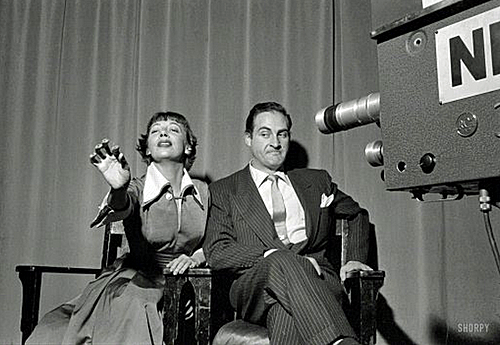
Your Show of Shows was live, directed by both Max Liebman and Nat Hiken at various times. Its writers included Mel Brooks, Carl Reiner (who also acted in the sketches), Neil Simon, Danny Simon, and Mel Tolkin. (Larry Gelbart did not write for YSOS, but did write for Caesar’s Hour, 1954-57. Woody Allen only wrote for Caesar in later TV specials.)
 ——————–