Hmm time…


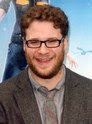
Ever notice the similarity between Rowlf the Muppet dog and comic actor Seth Rogen? It’s not just that lantern jaw, that Flintstone mouth, and the voice likeness. Whatever, it’s obvious they are from the same gene pool.


Except Rowlf is 10 times funnier.
Share:

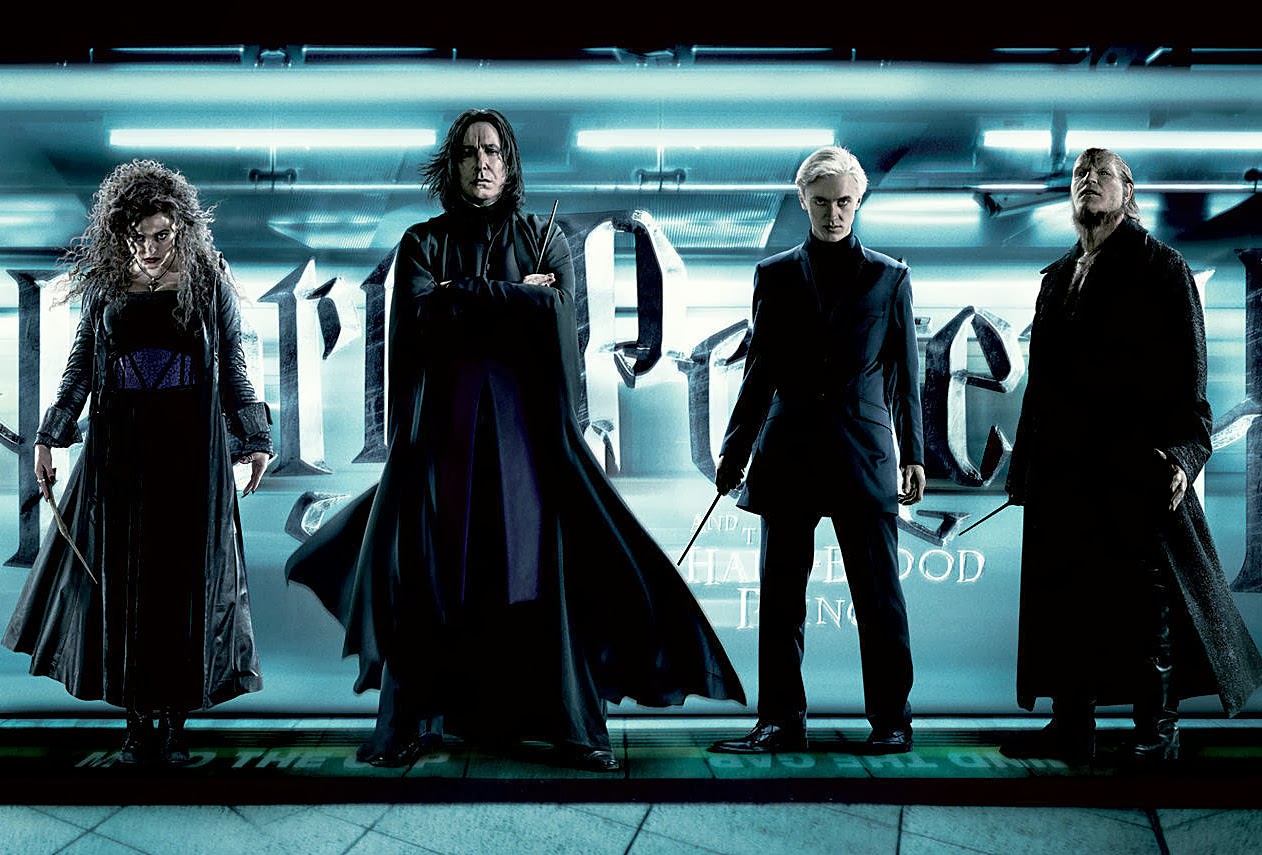
‘Half-Blood Prince’ is fun, satisfying Harry Potter installment

By Steve Crum


Evil forces are rampant at Hogwarts in Harry Potter and the Half-Blood Prince. So are hormones. In this installment, the sixth of eight based on the wildly popular Harry Potter books by J. K. Rowling, dark spirits boldly surface within and far away from the wizard school Hogwarts. yet with all the death and near death plot ingredients of Half-Blood Prince, Harry and his friends are diverted by matters of adolescence, aka dating, with all its pretentiousness, heartaches, flirts, and smooches. What a curiously effective mix for a Potter flick.

Effective it is. Half-Blood Prince is the best produced, and most entertaining Harry Potter escapade of the past three or four. I won’t say it is superior to the first two of the series, which are my favorites due to their fun atmosphere and lack of the grimness that followed, but Half-Blood is a near perfect delight. David Gates, who directed the last Potter (HP and the Order of the Phoenix) and will helm the next and final two (HP and the Deathly Hallows, Pts. 1 & 2), has obviously honed his skills here. Steve Kloves’ screenplay has verve and balance when it comes to the seesaw of light comedy and horror plot elements. He is also reputedly loyal to Rowling’s novel, as he was in the last three he adapted. Since I have not read the Potter novels, I rely on hearsay in this regard.

The acting is a showcase unto itself. Daniel Radcliffe’s Potter is more credible than ever, with Radcliffe stretching his acting chops beyond trademark looks of bewilderment. He has seriously worked to improve his acting over the years, and it shows. The same praise can be said for his two on-screen pals, Emma Watson (as Hermione Granger) and Ron Weasley (Rupert Grint). They have become the nucleus of a great stock company of Potter players. 
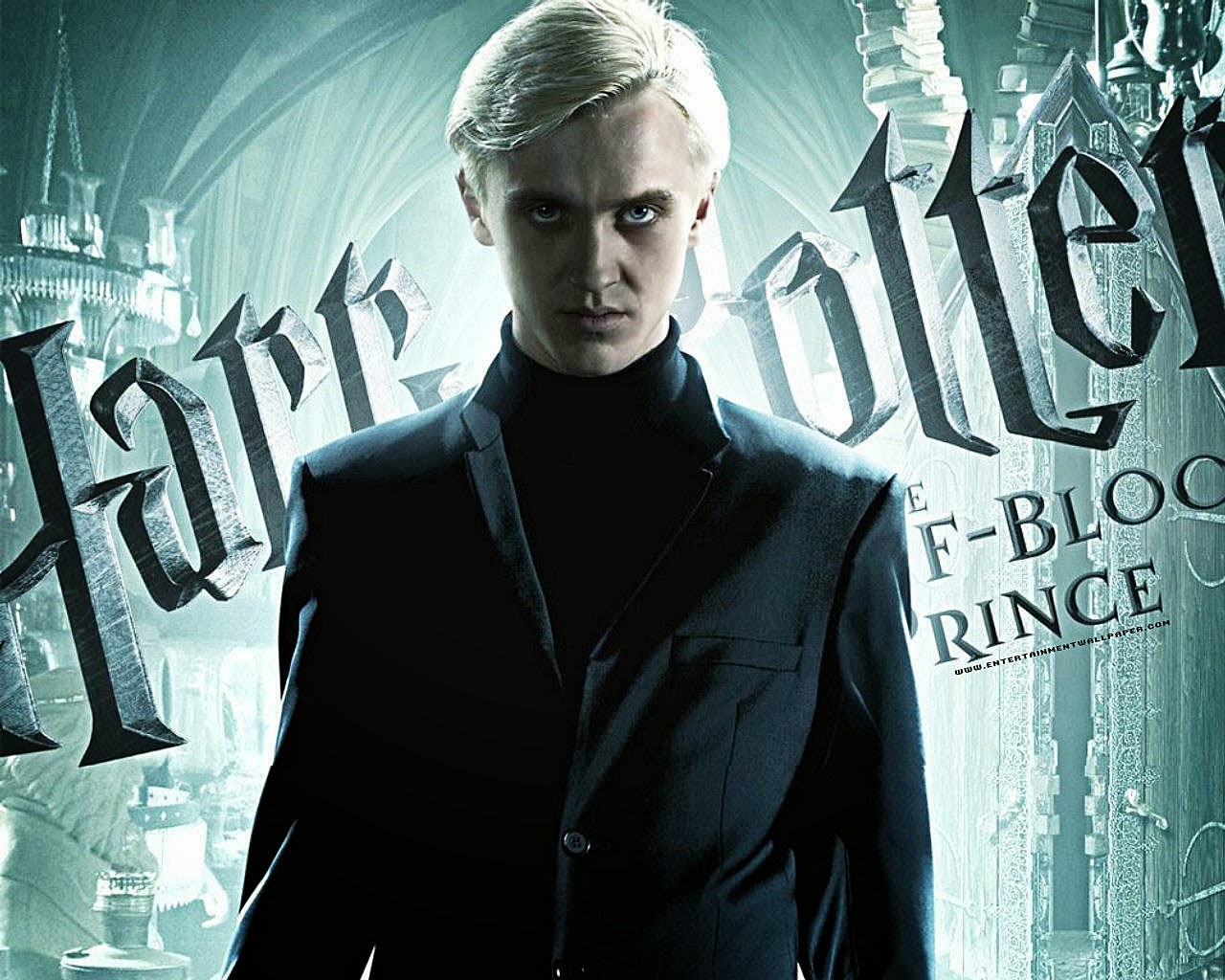
Those players also include an adult cast that, for the most part, have been with the Potter franchise since day one, among them: Michael Gambon (who has successfully replaced the late Richard Harris) as 150 years-old Professor Albus Dumbledore, more than ever a central figure in Half-Blood Prince; Maggie Smith’s Prof. Minverva McGonahall; Dave Legeno’s white-haired Fenrir Greyback; Robbie Coltrane’s comic relief Rubeus Hagrid; and Alan Rickman’s Prof. Severus Snape. There is also the evil witchery of Helena Bonham Carter’s Bellatrix Lestrange, and Ralph Fiennes’ son Hero Fiennes Tiffin as the nasty Tom Riddle at age 11.
Outside of Half-Blood’s focus on Dumbledore, scene stealing is accomplished by Jim Broadbent’s textured performance as returning wizard and Prof. Horace (Magic Potions) Slughorn.

The inherent weakness of any film series dependent on an episodic, continuing story line is that (1) the viewer must have seen–and can recall–the plots and characters from previous films over the last several years; and (2) not all conflicts will be resolved in this or any one episode, but might persist until the next film or films. That does not seem to matter to loyal Potter fans any more than it did to Star Wars fans who held their collective breaths for several years until the finale. Again, there are two more installments after Half-Blood Prince, supposedly in 2010 and 2011, so hold that oxygen.

That certainly said, and without divulging too much, Harry Potter and the Half-Blood Prince opens with Death Eaters raising havoc around and through Hogwarts. This is an very real omen of things to come via the ultimate confrontation between Potter and Dumbledore versus the Voldemort force(s) responsible for killing Harry’s parents. [A pause and reminder that it is assumed anyone reading this has seen the previous Potter movies.]

At the outset, Harry accompanies his mentor Dumbledore to the home of retired Potions Prof. Slughorn (Broadbent). It is an inspired sequence, Slughorn’s home has been ransacked by Death Eaters, and the affable Slughorn is hiding in unique disguise within.   There are various other entanglements as well, some involving potion-spiked chocolates. All this mostly funny teen angst plays out through the story.
Still, there are some eerie, edge of the seat set pieces that thrill. A particularly effective sequence features Potter and Dumbledore on a quest within a water filled cavern. It is a stunner.

Quiddich, the airborne version of soccer essential to playtime competition between the various fraternal houses at Hogwarts, makes a fantastic return in Half-Blood Prince. Basically, a full game is played, the first time since episode two. (Yes, there was a brief Quiddich match in #4.) Except this time, due to the advanced age and size of its participants (Weasley), larger and more streamlined broomsticks are used.

Harry Potter and the Half-Blood Prince is one of eight parts of a film phenomenon of our time. Like the Star Wars series, the financial and social impact of the Potter series translates to motion picture history and, eventually, legend. Savor this satisfying episode of its ongoing broomstick ride.
——————————
GRADE on an A to F scale: A-
——————————

Share:

Remembering The Beatles in KC

By Steve Crum


Talk about schmoozing with celebrities! On September 17, 1964, The Beatles performed before an SRO crowd of typically screaming teens at the good old Kansas City Athletics Municipal Stadium in Kansas City, Mo. The KC stop was a sort of last minute, penciled-in concert during The Fab Four’s nationwide tour. We can thank the savvy Athletics owner Charles O. Finley for booking the boys. He reportedly did it as a favor to his teenaged daughter.
 
Even though not at the later concert, I and four fellow high school seniors did make it to the media madness occurring at the Muehlebach Hotel in downtown Kansas City, Mo. where the Mop Tops were staying. Prior to their performance, a press conference was held on the top floor on the hotel. Our school was the only Greater Kansas City high school in attendance. By no means were we invited, so we were planning to crash the event. As it turned out, we did not have to do so. 
 

I took photos (see one above) of the craziness occurring on the sidewalk and in the park adjacent to the hotel. Hundreds of teenagers had gathered, and looked skyward to catch a John, Paul, George or Ringo glance. Jokesters in various hotel rooms were throwing fake autographs on slips of paper out their open windows just to get screaming reactions. The Beatles did briefly appear at the very top of the hotel on the penthouse balcony. They waved at the crowd dozens of stories below.

 
SSadly, the photo I took of them as they waved is not posted here. Since I had no telephoto lens, the images are ultra tiny. Still, it is a rare shot of the legendary quartet.
 
The following story by my pal Karen Katz is reprinted from her story Beatled Press At Conference, published in the Wyandotte High School [Kansas City, Kansas] student newspaper, The Pantograph, on Oct. 2, 1964:
 ∞∞∞∞∞∞∞∞∞∞
From the Panto were five staff members: Steve Crum, Janet Barnes, Joe Rodriguez, Sandy Shultz and myself, with high hopes and press passes. We were going to The Beatles Press Conference at the Hotel Muehlebach.

In the lobby of the hotel we approached the desk clerk to ask directions to the conference room. No one knew.
 
Going upstairs to scout around, we flashed our press passes at a policeman and started by. We were halted and informed that we needed orange stickers reading “Beatles Press.” These stickers could be obtained from Mr. Shauff, we were told, with a birth certificate saying, “18 years-old.” But all we had were press passes. If at first you don’t succeed, try again–and we did. Again and again and again–but Mr. Shauff was nowhere to be found.
 
We stood amidst a group of girls around a TV newsman. Suddenly Charles Finley appeared in the lobby. Joe [Rodriguez] walked over to him and began explaining our frantic situation. A crowd was gathering as Finley explained to us he didn’t arrange the conference. But we were persistent.
 
“How many of you are there?” he asked.
 
“Five,” I answered.
 
“I can’t take all of you. I’ll take you.” He pointed to me.
 
Upstairs I started through a door at the end of the hall. I was stopped, and Mr. Finley spoke up.
 
“This girl is from the Wyandotte High School Pantograph, and I think she should be let in as a representative.”
 
“All right,” the man said, “but don’t scream or anything.”
 
The carpeted room was filled with newsmen, chairs, cameras and smoke. My hands were shaking, and the room was unusually stuffy.
 
The Beatles’ public relations man [Derek Taylor] entered and explained how the proceedings would be conducted. Then The Beatles shuffled in. It seemed as if I was staring at a magazine cover only this was the living end!

I moved to the front with the radio section of the conference and stood opposite The Beatles.
 
“Ringo,” I asked, “what are you going to do if it rains tonight and you get tonsillitis?”
 
He didn’t know, but for $150 thousand [what The Beatles were getting for this gig], what’s tonsillitis?
 
Then a cameraman offered to take my picture with them. In a dazed state, I walked up to Ringo and tugged on his coat sleeve. He put his arm around me! I smiled as cameras flashed and realized that I was a part of that living magazine cover!
∞∞∞∞∞∞∞∞∞∞
Postscript: Karen, wherever you are–since I have not seen you since 1965, please contact me asap with anything additional you recall about your up close Beatles experience. I recall when you returned from meeting the boys, you were dazed with glossy eyes and distant smile. Outside the hotel, on the sidewalk, you kept repeating that Ringo actually put his arm around you. Several teenaged girls, strangers to us, nearly ripped your blouse off when they overheard you. But we protected you.
 
And will forever envy you.
——————–

Enjoy this tribute to The Beatles performing in KC that memorable day in ’64: https://www.youtube.com/watch?v=FATj6dOc8Cg

Share:

Captain Kangaroo goes to war & more lies

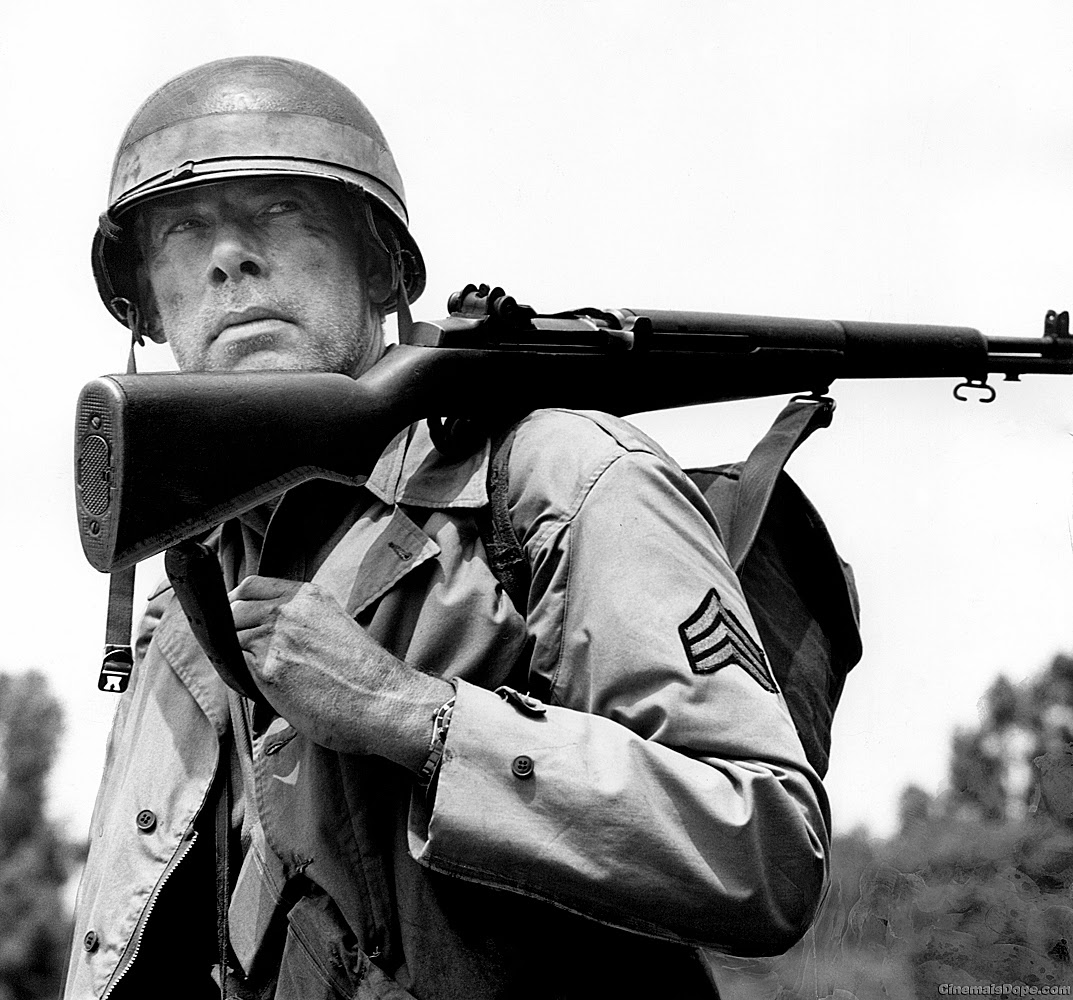
After receiving another breaking news flash about Bob Keeshan and Lee Marvin in a recent e-mail, the time is ripe to reprint a story published many moons ago. I have updated it somewhat.

By Steve Crum

One of my favorite urban legends is the oft told “fact” of an alligator lurking beneath New York City. The gator, the story goes, was originally a baby reptile flushed down someone’s toilet. It not only survived, but grew to enormity. A great tale is this, in fact the basis of the 1980 schlock flick Alligator. But it is all hooey, a croc(k), per se.

There are hundreds of such urban legends–fabricated stories that have survived their way into oral history via our gossiping society–these days spread at light speed through the Internet, iPods, e-mails, cell phones, and so on. If you have a computer, at least once a day you’ll be part of a group mailing of jokes, political spews, and/or words of wisdom and encouragement. Yes, some folks cannot wait to forward that supportive or vindictive (aka political) thought of the day to everyone on their address list. I also receive warm and cuddly animal photos along with Happiness is… captions, which take up a third of my mailbox capacity.

Now and then come those forwarded urban legends. After all is said and immediately erased, it is the latter that stays with me. Urban legends have curious memory power. Currently there are Michael Jackson “legends” being spread. The chestnut about the late Bob “Captain Kangaroo” Keeshan and his military relationship with Lee Marvin and other movie and TV “war heroes” is making the rounds again. So imagine this column is an e-mail from your Aunt Clara as a couple of these urban falsehoods are soundly kicked in their respective, fibbing butts.

URBAN LEGEND
Bob Keeshan (TV’s Captain Kangaroo) and Lee Marvin (Oscar winning actor) were decorated war pals. The story goes that years ago on a Johnny Carson Tonight Show, guest Lee Marvin was asked about his war experiences. “Lee,” said Carson, “I’ll bet a lot of people are unaware that you were a Marine in the initial landing at Iwo Jima, and that during the course of the action, you earned the Navy Cross and were severely wounded.”

Marvin responded, “Yeah, yeah…I got shot square in the ass and they gave me the Cross for securing a hot spot about halfway up Mount Suribachi. The bad thing about getting shot up on a mountain is guys getting shot hauling you down. But Johnny, at Iwo, I served under the bravest man I ever knew. We both got the Cross the same day, but what he did for his Cross made mine look cheap in comparison. The dumb bastard actually stood up on Red Beach and directed his troops to moved forward and get the hell off the beach. That sergeant and I have been life long friends.”

Marvin continued: “When they brought me off Suribachi, we passed him and he lit a smoke and passed it to me lying on my belly on the litter. ‘Where’d they get you, Lee?’ he asked. ‘Well Bob, they shot me in the ass and if you make it home before me, tell Mom to sell the outhouse.’ Johnny, I’m not lying. Sgt. Keeshan was the bravest man I ever knew! You now know him as Bob Keeshan. You and the world know him as Captain Kangaroo.”
THE TRUTH
Both Marvin and Keeshan were indeed Marines during World War II. Marvin was wounded in the buttocks (a severed sciatic nerve), but while in Saipan. Marvin was already shipped back to the United States with a Purple Heart by the time Keeshan was even in basic training (as a reservist, no less). No way could they have crossed paths during the war.

Neither received the Navy Cross. Keeshan entered the Marines just before the war ended, and did not attain the rank of sergeant. There is no evidence, a video even, backing the urban legend.

More recently, another urban legend circulated that the late Fred Rogers of Mr. Rogers’ Neighborhood was once a Navy Seal. Still another cites him as an ex-Marine sniper. Both are false.

URBAN LEGEND
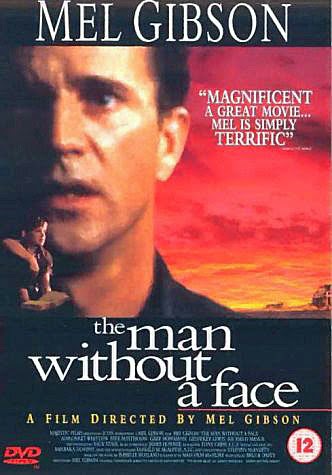
Mel Gibson was the real life Man Without a Face, the basis of his 1993 film. Radio commentator (now deceased) Paul Harvey devoted an entire segment to the “rest of the story” concerning director-star Mel Gibson’s role in the film, The Man Without a Face. The e-mails I receive include an introduction saying, “Here is a true story by Paul Harvey. Pass it to anyone who you think would find it interesting and inspiring. You will be surprised who this young man turned out to be. Do not look at the bottom of this letter until you have read it fully.”

The lengthy story, written in Harvey style, tells of a young man whose face was horribly disfigured after being attacked by thugs. Thought to be dead, the young man was taken to the morgue, but luckily moaned before he was admitted. After weeks of prayer, a kindly priest hooked him up with a plastic surgeon who miraculously rebuilt his face.

“The young man,” Harvey said, “is Mel Gibson.”

THE TRUTH
Harvey did not say it. In fact, he never said anything like this about Gibson or anyone in reference to The Man Without a Face. But it makes a good story. I guess.

There is another Mel Gibson falsehood that made the Internet rounds a few years back, claiming Paul Harvey endorsed Gibson’s The Passion of the Christ. It is a quite believable and long piece, written in Harvey’s inimitable prose. However, it was actually written by Keith A Fournier, founder of the The Catholic Way web site.

For even more rumor funsters, visit tall tale central on the web at urbanlegends.com.
——————–
For a loving tribute to Bob “Captain Kangaroo” Keeshan, please follow this link: http://www.youtube.com/watch?v=NeuBimBWU-8

Lee Marvin’s memory is celebrated here: http://www.youtube.com/watch?v=NBkTJGWJLYs
Share:

IT’S CRUMMY TRIVIA TIME…with ALFRED NEWMAN!

By Steve Crum

Film scores have been a passion of mine since my youth. In those early days before DVD, CD, cassette, iTunes, Netflix, Laser Disc, VHS, Beta, and even 8-track, the only way to ‘bring home’ a favorite movie was via its movie soundtrack music on LP aka 33-1/3 rpm. This was also known as a long playing record, young ones. [Perhaps this piece should begin with ‘Once upon a time…’] My record album collection of movie scores and soundtracks once numbered at nearly 400. I loved movies big time. Still do. A few of my friends in those bygone days spent a lot more than I did by collecting their favorite movies on 16mm film. But that is another story. Here’s your Crummy Trivia regarding classic movie composers:
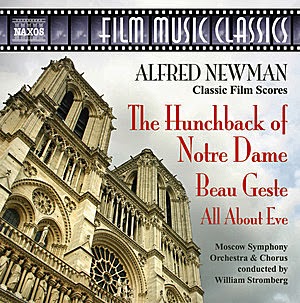
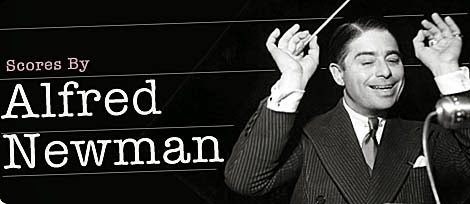
Who composed the music for both The Robe [1953] and The Greatest Story Ever Told [1965]?
——————–
Answer: ALFRED NEWMAN [1901-70]. His name invariably gets a titter from those who think of the moronic mascot of Mad Magazine, Alfred E. Neuman. Composer Newman was a prolific and brilliant musician who is most associated with 20th Century Fox where he wrote hundreds of film scores over several decades. His last score was 1970’s Airport. Newman is the uncle of pop composer-performer Randy Newman, and brother of Lionel Newman, a composer and conducter in his own right. It doesn’t end there. His other brother Emil, as well as children Thomas, Marie, David, and Grand Nephew Joey [all Newmans] are composers!
——————–


Share: